
Wafer antioxidant

Tóm tắt nội dung
- What Are Antioxidants?
- What Are Wafer Antioxidants?
- Common Types of Wafer Antioxidants Today
- Al2O3 (Aluminum Oxide)
- SiO2 (Silicon Oxide)
- TiO2 (Titanium Oxide)
- Polyimide
- Roles and Applications
- Roles
- Applications
- Usage and Storage Guidelines
- Conclusion
- Can wafer antioxidants be used in harsh environmental conditions?
- Does this product require special technology for application?
- How do I know if wafer antioxidants are suitable for my equipment?
- Do wafer antioxidants affect electrical or optical performance?
- Can I use wafer antioxidants for components that have already oxidized?
- Are there products suitable for medical applications?
- Does the product impact the environment?
In high-tech industries such as semiconductors, electronics, and renewable energy, oxidation is always a major challenge, affecting the performance and durability of materials. Wafer antioxidants have emerged as a superior solution, helping to protect surfaces, extend lifespan, and optimize product quality. So, what makes this product the top choice? Let’s explore in this article.
What Are Antioxidants?
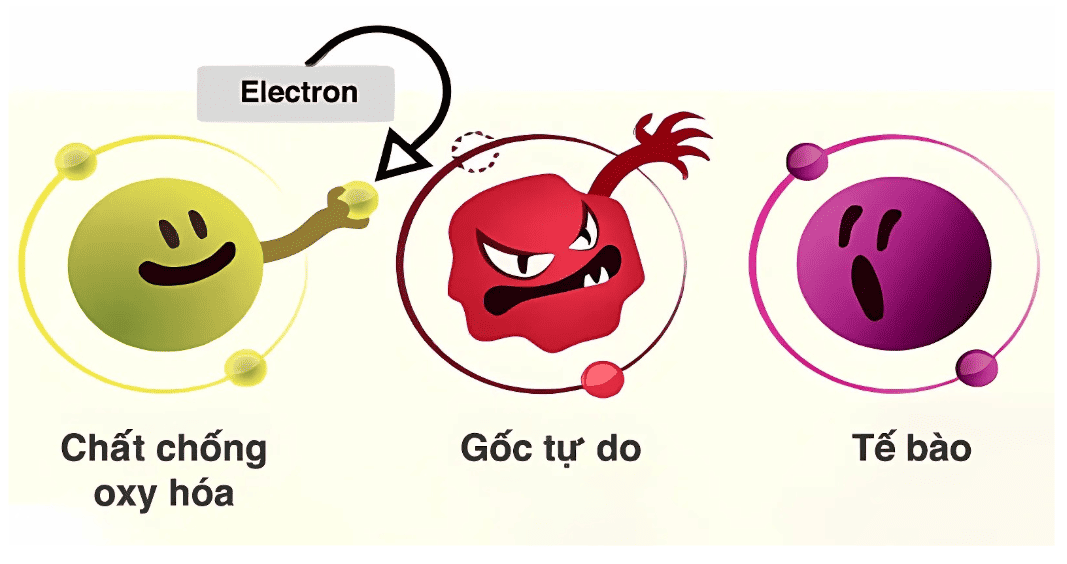
Antioxidants are compounds that can prevent or slow down the oxidation process caused by free radicals. Oxidation is a common chemical reaction that can degrade material quality, leading to damage or loss of product functionality. Antioxidants work by reacting with free radicals, preventing the oxidation chain reaction from spreading, while also creating a protective layer on the product surface to limit exposure to oxygen and moisture. Based on their properties and applications, antioxidants are classified into:
- Organic (Tocopherol, ascorbic acid)
- Inorganic (Al2O3, SiO2)
- Synthetic (BHA, BHT)
What Are Wafer Antioxidants?
Wafer antioxidants are specialized compounds designed in the form of thin wafers or coatings, used to protect silicon wafers, semiconductor components, and other electronic devices from oxidation. These compounds are typically made from oxides (such as Al2O3, SiO2) or polymer films, ensuring effective protection. They are manufactured as thin wafers or surface coatings, compatible with modern industry size standards.
Advantages of Wafer Form
- Thin and Lightweight: Easily integrated into modern manufacturing processes.
- High Efficiency: Optimizes oxidation resistance and surface protection.
- Flexible Applications: Widely used in semiconductors, renewable energy, and optical technology.
Common Types of Wafer Antioxidants Today
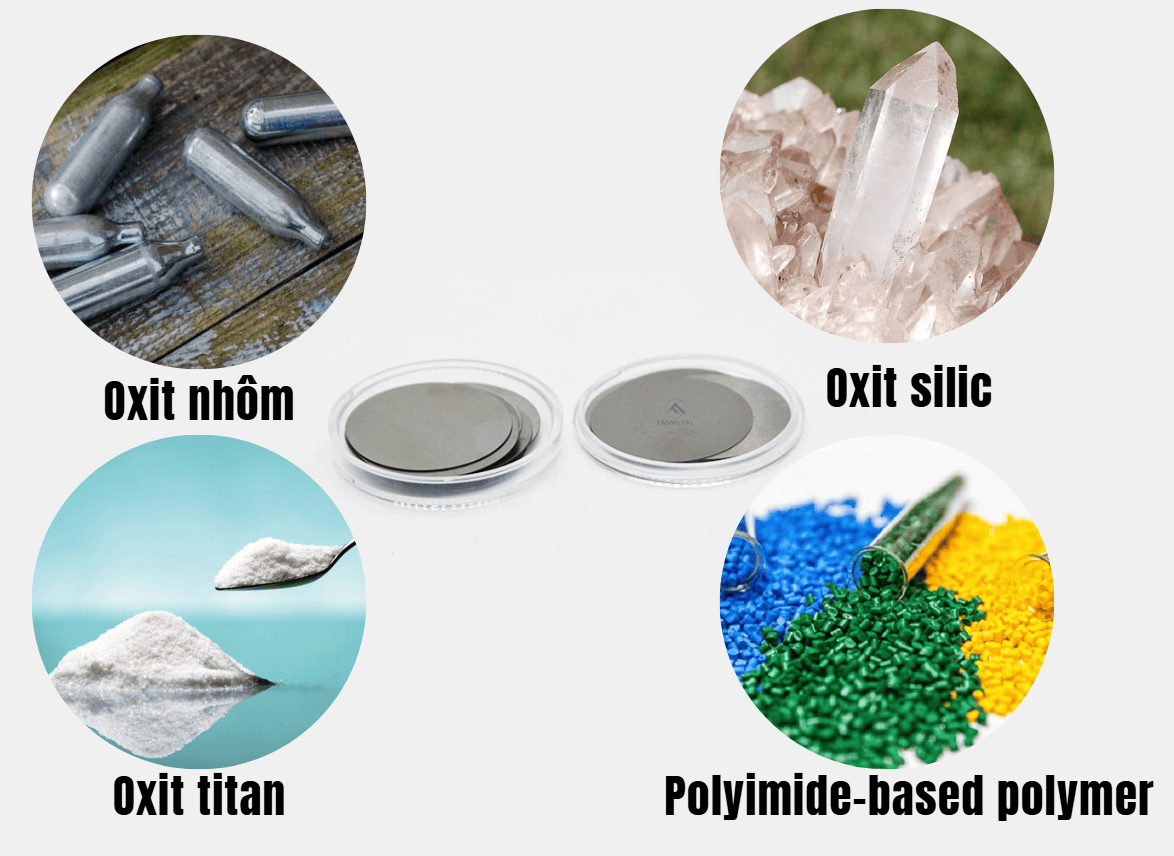
| Chemical Name | Main Application | Advantages |
| Aluminum Oxide (Al2O3) | Protecting silicon wafers in semiconductors | Strong oxidation resistance, excellent heat resistance |
| Silicon Oxide (SiO2) | Insulation layer, protecting IC circuits | Thin and lightweight, easy to integrate |
| Titanium Oxide (TiO2) | Optics, solar energy | Effective UV absorption |
| Polyimide-based polymer | Protecting integrated circuit boards and electronic components | Flexible, easy to process, chemical-resistant |
Al2O3 (Aluminum Oxide)
- Key Features and Properties: Al2O3 is an aluminum oxide compound with high hardness, excellent heat resistance (melting point ~2.072°C), and strong chemical resistance. Its high mechanical strength helps resist wear, making it suitable for harsh temperature and pressure environments.
- Applications: Used as a protective coating for silicon wafers in semiconductors, technical ceramics, and components requiring stability in high-temperature environments.
SiO2 (Silicon Oxide)
- Key Features and Properties: SiO2 has outstanding chemical stability and oxidation resistance. Deposited using CVD technology, SiO2 coatings can be precisely adjusted in thickness. High thermal and chemical stability ensures durability in modern manufacturing environments.
- Applications: Used as an insulation layer in integrated circuits (IC), protective coatings for optical sensors, and components requiring high precision.
TiO2 (Titanium Oxide)
- Key Features and Properties: TiO2 stands out with its high refractive index and photocatalytic ability, effectively absorbing UV rays and breaking down organic compounds. Additionally, TiO2’s self-cleaning properties enhance surface protection effectiveness.
- Applications: Used as a protective layer in optical devices, solar panels, and UV-resistant sensors.
Polyimide
- Key Features and Properties: Polyimide is a flexible polymer with high heat resistance (from -200°C to 400°C) and good chemical resistance. Its mechanical strength helps resist wear and bending without losing protective properties.
- Applications: Protecting integrated circuit boards (PCB), anti-oxidation coatings on electronic components, and insulation in industrial equipment.
Roles and Applications
Roles
Wafer antioxidants play a crucial role in protecting material surfaces and components from oxidation and harsh environments. They help maintain chemical and mechanical stability, extending product lifespan in industries requiring high precision, such as semiconductors, electronics, and renewable energy. Additionally, wafer antioxidants reduce failure rates, optimize production processes, and ensure high-quality output for advanced technology products.
Applications
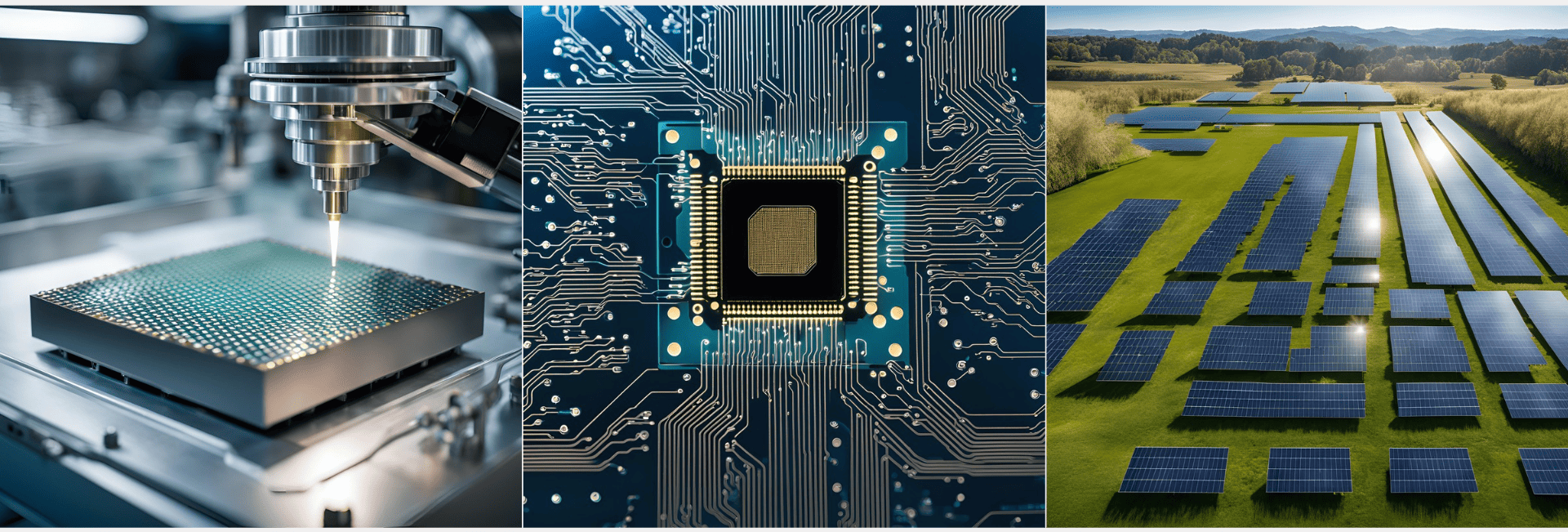
- Semiconductor Industry: Protecting silicon wafers from oxidation, maintaining stability and performance of electronic microchips; creating thin insulation layers on integrated circuits (IC).
- Optical Industry: Used as anti-reflective and protective coatings for optical sensors and lenses, reducing UV impact and maintaining surface durability.
- Renewable Energy: Enhancing efficiency and durability of solar panels, preventing oxidation and quality degradation in harsh outdoor environments.
- Electronics Industry: Coating protective layers on printed circuit boards (PCB) and electronic components, increasing lifespan and reducing damage risks from humidity and high temperatures.
- Other Industrial Applications: Used in technical ceramics, pressure sensors, or protecting sensitive materials, ensuring high mechanical and chemical durability.
Usage and Storage Guidelines
- Usage: Clean the surface before application, ensure a dry and ventilated environment.
- Storage: Store in a dry place, avoid direct sunlight, and seal tightly after use to prevent moisture absorption.
- Note: Wear protective gear and carefully read the MSDS before handling.
SEE ALSO:
Conclusion
Wafer antioxidants not only protect but also optimize performance in the semiconductor industry. As an advanced solution, they play a key role in protecting and optimizing production processes in modern industries. With diverse structures and applications, these products not only bring economic benefits but also ensure long-term performance for high-tech devices and components.
Loc Thien Investment and Development Co., Ltd. is proud to be a leading supplier of semiconductor chemicals and high-quality wafer antioxidants in Vietnam. Committed to providing optimal solutions for customers, we focus on product quality, professional consulting services, and flexible support policies. The expert team at Loc Thien is ready to accompany you to ensure sustainable and efficient development in production.
- 📞 Hotline: 0979 891 929
- 📩 Email: [email protected]
- 🌐 Website: hoachatlocthien.com