
Industrial Textile Dyeing Chemicals — Wastewater Treatment...


Industrial Textile Dyeing Chemicals — Wastewater Treatment Solutions Conforming to QCVN 13:2015
In the textile industry, Textile dyes and chemicals play a key role not only in improving product quality but also in optimizing the production process. From the Textile dyeing wastewater treatment chemicals to Wastewater decolorizing chemicals for textile dyeing, each chemical brings practical value, contributing to minimizing environmental impact and significantly saving costs.
This article will introduce in detail Textile dyeing chemicals, including Dyes, pigments, finishing agents, sizing agents, auxiliaries, bleaches, scouring agents, mordants popular and outstanding applications in wastewater treatment, dyeing, and product finishing. Especially with the development of modern technology, the demand for its use Textile dyeing chemicals in Ho Chi Minh City and nationwide, increasingly high, urging businesses to continuously innovate and adopt sustainable solutions in production.
Let's explore how Textile dyes and chemicals help businesses achieve optimal production efficiency, enhance competitiveness, and meet international environmental standards.
Modern Trends in Textile Dyeing Chemicals
Environmentally Friendly Chemicals
The dyeing and textile industry is increasingly moving towards the use of environmentally friendly chemicals to minimize negative impacts. These types of chemicals not only help meet international standards but also increase sustainability in production.
Natural dyesExtracted from plants, ensuring safety and creating unique colors.
Wastewater decolorization chemicals for textile dyeing: As strong oxidizing agents or treatment enzymes, they help reduce pollution and improve water reusability.
Applications of Nanotechnology
Nanotechnology in textile dyeing chemicals offers superior properties:
Improve color fastnessNano particles help colors penetrate deeply and adhere firmly to fabric fibers.
Stain-resistant and antibacterialCreate fabric surface overlays to increase utility value.
Effective Use of High-Performance Chemicals
Low-temperature dyeing chemicalsReduce energy costs, in line with the trend of green production.
Advanced surfactantIncrease fabric wettability, shorten processing time.
Introduction to textile dyeing chemicals
Specialty Chemicals by Process
Chemicals in Pretreatment
Sodium Lauryl Sulfate (SLS): Surfactants help remove grease and dirt, supporting a deep clean of fabric fibers.
Hydrogen Peroxide (H2O2): Bleaching fabric, removing organic compounds, optimizing surface preparation for dyeing processes.
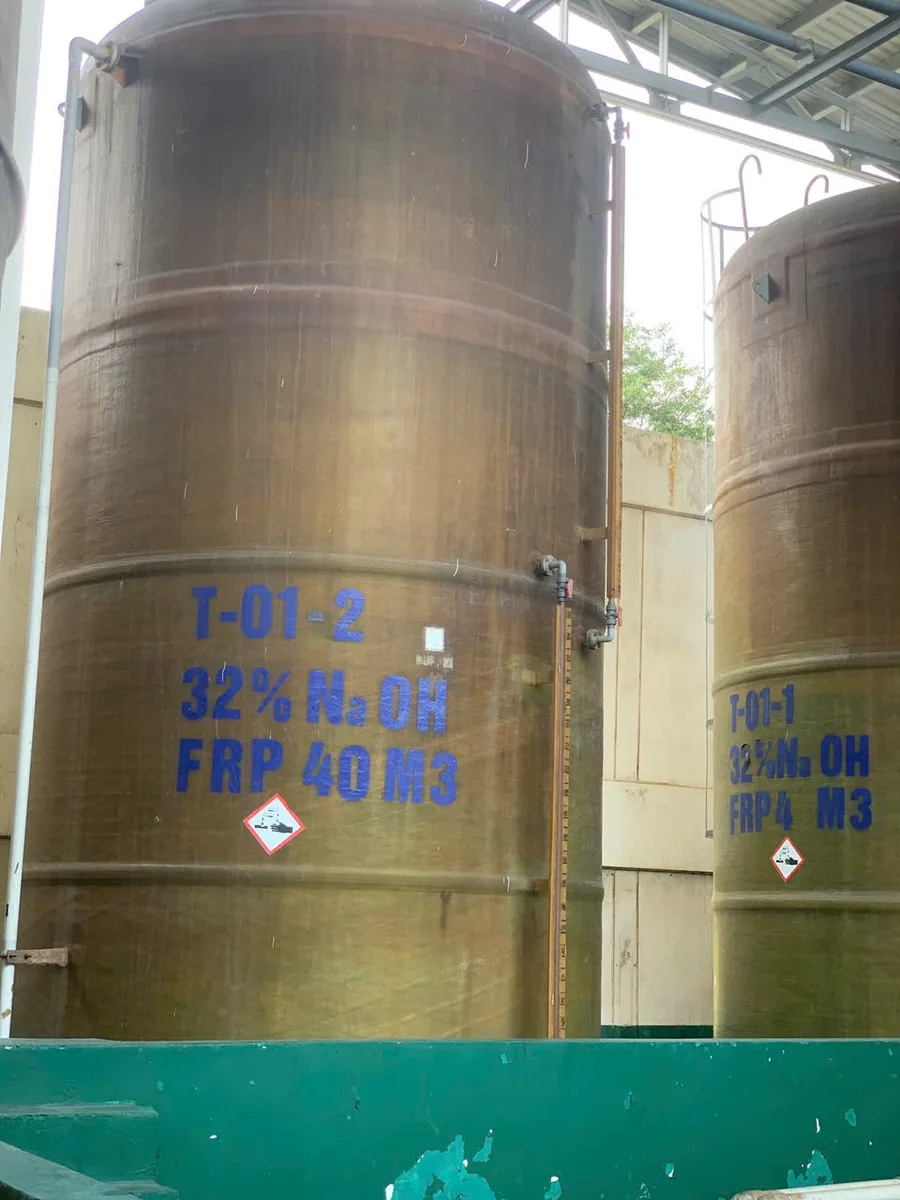
Liquid caustic soda NaOH 32%: Applications commonly used for cleaning and pH neutralization before dyeing.
Liquid caustic soda NaOH 45%: Used in fiber processing and surface preparation, ensuring optimal cleanliness prior to subsequent finishing steps.
2. Dyeing Medium
Reactive dyes Forms a stable chemical bond with cellulose fibers, providing sharp colors and long-lasting stability.
Color stabilizer: Protect colors from fading due to light and water.
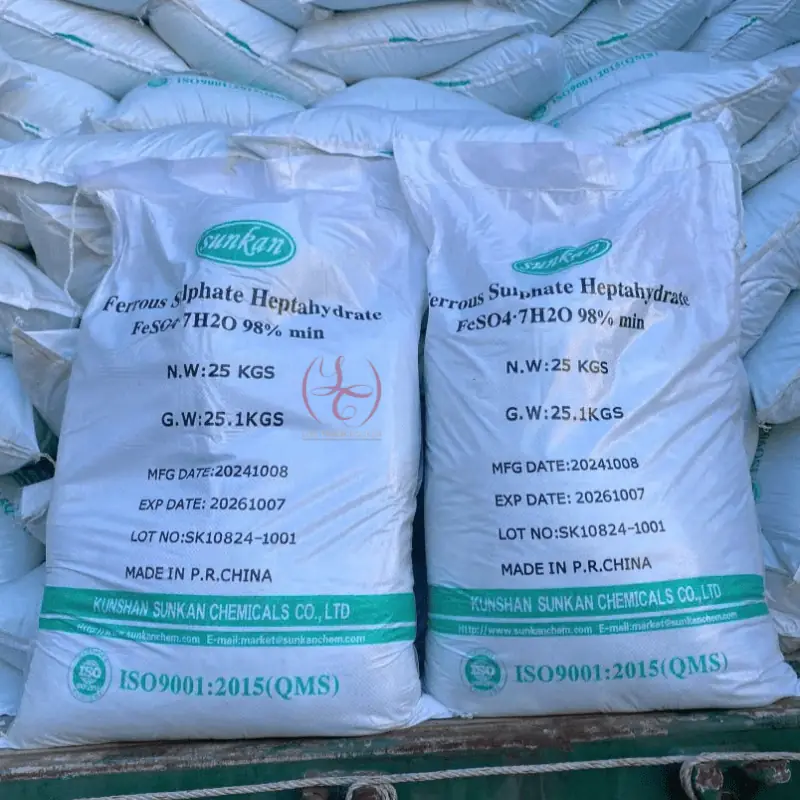
Iron Sulfate FeSO4 98% (solid form): Used in processing and dyeing, helps improve colorfastness on fabric.
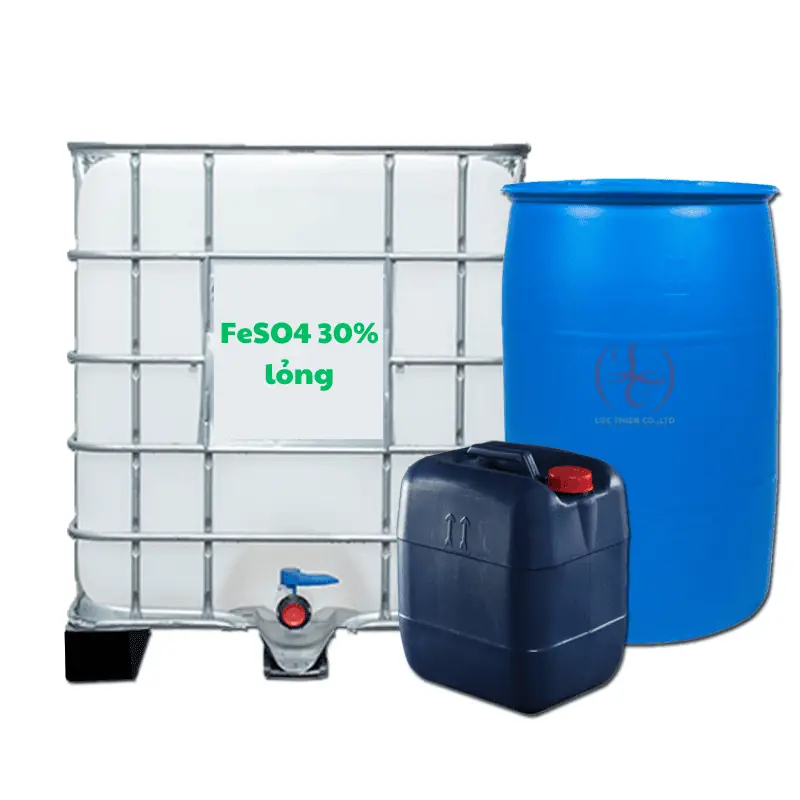
FeSO₄ 30% (liquid form): Supports adjusting the strength and quality of dyes, suitable for many processes.
3. Finishing Chemicals
Silicone Softeners: Softens fabric, provides a pleasant feel, and improves surface properties.
Anti-wrinkle Improve the product's shape retention, ensuring long-term quality.
Sodium Acetate (CH3COONa.3H2O): Stabilize pH during the finishing stage, improve the chemical compatibility of softeners and treatments.
Why Choose Chemicals from Loc Thien?
Product diversity Providing chemicals from basic to specialized, suitable for each production stage.
Guaranteed quality: Imported from reputable countries such as the USA, Japan, and China with clear quality certifications.
Advanced technical support Experienced technical team, ready to assist businesses in optimizing processes.
The Role of Chemicals in the Textile Dyeing Industry
Optimal Solutions for Optimizing Manufacturing Processes in Textile Dyeing
Save Resources
Use the types Water treatment chemicals High efficiency helps reduce water, energy, and production costs.
Example:
Low-temperature dye: Save up to 20% on energy costs.
Wastewater decolorizing agent: Reduces wastewater treatment costs by 30% compared to traditional methods.
Automation Application
pH and temperature automatic control technology in dyeing helps optimize the treatment process and increase color uniformity.
Increase Competitiveness
The use of safe and environmentally friendly chemicals not only improves product quality but also helps businesses meet green standards, thereby increasing their access to international markets.
Common Chemicals in Textile Dyeing
Meets International Standards
OEKO-TEX Certification
This standardized chemical ensures consumer health safety and environmental friendliness.
ZDHC Standards
The Zero Discharge of Hazardous Chemicals programme helps businesses meet the stringent wastewater discharge requirements in the textile dyeing industry. See more: ZDHC stands for Zero Discharge of Hazardous Chemicals.
ISO 14001
The application of ISO-certified chemicals improves the environmental management process of textile dyeing factories.
Reduce Costs Thanks to Effective Chemicals
Safety Precautions When Using Textile Dyes
The use of chemicals in the textile dyeing industry requires strict adherence to safety measures to protect human health and minimize risks during the production process. Here are the necessary safety measures:
Training and Raising Awareness
Periodic trainingEmployees need to be instructed on how to use chemicals, handle emergencies, and recognize hazard signs.
Material Safety Data Sheet (MSDS)Provide complete information on chemical properties, usage, and emergency handling.
Personal Protective Equipment
Chemical-resistant glovesUse specialized gloves to protect your hands from direct contact with chemicals.
Safety gogglesAvoid chemicals splashing into eyes during mixing or operation.
Air filter maskProtect the respiratory tract from toxic chemical fumes, especially when working with dyes and strippers.
Protective clothingWaterproof and non-flammable, suitable for the working environment.
Ventilation and Processing System
Good ventilationEnsure the workspace has ventilation to reduce toxic gas concentrations in confined spaces.
Chemical storage areaDesign a chemical storage facility that meets standards, avoiding contact with heat sources, direct sunlight, and incompatible substances.
Safety Workflow
Mixing chemicals:
Dispose of chemicals in a controlled area, avoiding densely populated areas.
Always add chemicals to water, not the other way around, to avoid a strong reaction.
Periodic check:
Ensure that equipment in use, such as tanks, valves, and pipelines, operates stably and does not leak chemicals.
Chemical Incident Response
Chemical spill:
Use absorbent materials like sand or soil to clean up chemical spills.
Neutralize chemicals with appropriate substances before disposal.
Chemical exposure:
With eyesRinse immediately with clean water for at least 15 minutes, then seek medical attention.
With skinRemove contaminated clothing, wash affected skin area with soap and water.
SwallowedDo not induce vomiting, drink plenty of water, and go to the hospital immediately.
wastewater treatment
Use chemicals to decolorize wastewaterMinimize the toxicity of wastewater before discharging it into the environment.
Comply with discharge regulationsEnsure wastewater meets standards before discharging into the drainage system.
Warning and Safety Signs
Warning signPost warning signs in areas containing hazardous chemicals.
Chemical symbolsClearly label each type of chemical to avoid confusion during use.
Chemical Quality Control
Choose a reputable supplierEnsure chemicals meet safety standards and have all necessary certifications.
Proper storageStore chemicals in sealed containers, away from light and high temperatures.
Safety measures not only ensure the health of workers but also help businesses minimize costs related to incident handling. Strict adherence to safety regulations is a crucial step in building a professional, efficient, and sustainable work environment.
The effective use of textile dyes and chemicals not only improves product quality but also minimizes environmental impact. Businesses need to select appropriate solutions and constantly update technology to optimize production processes, thereby increasing competitiveness in the international market. In the textile dyeing industry, chemicals play an essential role in improving production efficiency and saving costs. The proper use of chemicals not only helps create high-quality products but also reduces negative environmental impacts. With the continuous development of the chemical industry, textile dyeing manufacturers need to stay updated with new trends and choose suitable chemicals to optimize production processes.
Why Choose to Buy Textile Dyes and Chemicals at Loc Thien?
Loc Thien proudly stands as a leading provider of high-quality textile dyeing chemicals, meeting the diverse needs of businesses in the industry. We not only supply products but also deliver superior value to our customers.
High-Quality Product, Meets International Standards
Ensure safety standards: On ZDHC: FeCl₂ has a ZDHC MRSL v3.1 test report (Smart testing, 5 substance groups) by TUV Rheinland Vietnam, no. 248162921-02a; for other products, contact Loc Thien for the documents currently available.
High stability Chemicals with stable composition and concentration, suitable for all modern textile dyeing production processes.
Diverse Product Categories
From pre-treatment chemicals such as Hydrogen Peroxide (H2O2), Sodium Lauryl Sulfate (SLS) to dyes, color stabilizers, and finishing agents.
Wastewater decolorizing chemicals: Support effective wastewater treatment, meeting strict discharge standards.
Competitive and Flexible Pricing
We optimize costs to offer the best prices to our customers while ensuring quality.
Flexible pricing policy, especially for large orders and long-term cooperation.
Modern Warehouse System, Fast Delivery
Loc Thien owns a warehouse system spread across provinces and cities, ensuring goods are always available and delivered on time.
Nationwide delivery: Responding quickly to every need, from Ho Chi Minh City to key industrial parks.
In-depth Technical Consulting
Our team of experienced specialists is ready to provide technical support and advise on the most optimal chemical usage processes for each business.
Answer all questions, from product selection to operational procedures.
Comprehensive Support Policy
Flexible exchange and returns: Commitment to product return if it does not meet technical requirements.
Chemical Safety Data Sheet (MSDS) Support: Help customers use chemicals safely and effectively.
We are committed to being your trusted partner, providing modern, effective, and sustainable chemical solutions. Let Loc Thien accompany your business on the journey to enhance product quality and achieve sustainable development!
📞 Hotline: 0979 891 929
📩 Email: [email protected]
🌐 Website: hoachatlocthien.com
When selecting chemicals, quality, safety, and environmental friendliness should be the top priorities. At the same time, cost-saving measures and safety in chemical use are also important issues that manufacturers need to pay attention to. Raising awareness of the importance of chemicals in dyeing and printing will contribute to creating a sustainable and developed industry.
Textile Wastewater Treatment Meets QCVN 13:2015/BTNMT
Wastewater from dyeing and textile factories contains high color, COD, total N, and many specific pollutants. To meet standards QCVN 13:2015/BTNMT — National technical regulation on textile dyeing wastewater, Businesses need to choose the right treatment chemicals for each stage: coagulation, color oxidation-reduction, and pH neutralization.
Limit Parameters QCVN 13:2015/BTNMT (Column A)
SpecificationsUnitsColumn A LimitColumn B Limit
Color (pH=7) Pt/Co20150
BOD₅ (20°C) mg/L 3050
COD mg/L 75 150
Total suspended solids (TSS) mg/L 50 100
Total Nitrogen (N) mg/L 20 40
pH 6-9
Textile Dyeing Wastewater Treatment Chemicals by Stage
StageChemicalsEffectTypical Dosage
Coagulant — Decolorizing PAC (Poly Aluminum Chloride)
Flocculant — Colored sediment flocculation
50–200 mg/L
Flocculant — Decolorizing Agent
FeCl₃ (Ferric chloride)
Fast flocculation with disperse dyes
30–150 mg/L
Oxidation — decolorization: H₂O₂ (hydrogen peroxide 50%) Decomposition of color-forming compounds — COD reduction: 100–500 mg/L (Fenton)
Oxidation — Decolorization
NaOCl (industrial Javel)
Chlorination — Decolorization — Disinfection
10–50 mg/L Cl₂
pH neutralization with NaOH (liquid caustic soda 32%) Raises the pH to the alkaline range of 8–9 Depending on the initial pH
Neutralize pH HCl (hydrochloric acid)
Lower pH to the acidic range 6-7
Based on input pH
Quality Certificates — CO/CQ/CoA/MSDS
Loc Thien provides complete quality documentation for each batch of textile dyes: CO Certificate of Origin, CQ Certificate of Quality, Certificate of Analysis (Certificate of Analysis) and MSDS (Material Safety Data Sheet - Chemical Safety Data Sheet according to GHS/OSHA standards).
Chemical Delivery to Industrial Parks
Loc Thien delivers from its 6 warehouses (Ba Ria – Vung Tau, Dong Nai, Binh Duong, Da Nang, Can Tho and Bac Ninh) to key industrial parks in the textile and garment industry (Southern IZs 24–48 hours): VSIP Binh Duong Industrial Park, Song Than I–III Industrial Park, Amata Bien Hoa Industrial Park, Long Binh Dong Nai Industrial Park, Tan Binh Ho Chi Minh City Industrial Park, Nhon Trach I–VI Industrial Park.
Call to order: 0979 891 929
Frequently Asked Questions About Textile Dyes
What are textile dyes and chemicals? What are the types? Textile dyes and chemicals are a group of industrial chemicals used in textile pretreatment, dyeing, and finishing of textile products. The main types include: NaOH (mercerizing - alkalization), H₂O₂ (bleaching), Na₂SO₄ (dyeing auxiliary), NaCl (increasing dye absorption), PAC/FeCl₃ (wastewater treatment), acetic acid (pH neutralization).
Effluent treatment in the textile dyeing industry requires what chemicals to meet QCVN 13:2015?
To meet QCVN 13:2015/BTNMT:
(1) PAC or FeCl₃ for coagulation and decolorization.
(2) H₂O₂ or NaOCl for oxidation and decomposition of color groups.
(3) NaOH or HCl for pH adjustment to 6-9.
(4) Polymer as a coagulant aid to enhance flocculation and sedimentation.
PAC is more effective with reactive dyes and azo dyes at pH 6–8. FeCl₃ is suitable for disperse dyes and highly alkaline wastewater, with lower costs. Many factories combine both to optimize effectiveness and cost.
How is H₂O₂ used to decolorize textile dyeing wastewater? H₂O₂ 50% is combined with Fe²⁺ salt (FeSO₄) using the Fenton method at a pH of 3–4, generating OH• radicals that break down dye molecules. Dosage: 100–500 mg/L of H₂O₂, with an H₂O₂:Fe²⁺ ratio of 5:1–10:1. Decolorization efficiency: 80–95%.
NaOH for adjusting the pH of textile dyeing wastewater—what is the dosage? NaOH 32% dosing pump to raise the pH after the Fenton process. To raise the pH from 3 to 7, approximately 0.8–1.2 kg of NaOH 100% per cubic meter of wastewater is required. We recommend using an automatic metering pump combined with an inline pH sensor.
Buy textile dyes delivered to Binh Duong and Dong Nai industrial parks? Loc Thien delivers from its Binh Duong and Dong Nai warehouses – Southern industrial parks are served within 24–48 hours. Industrial parks served: VSIP Binh Duong, Song Than, Amata Bien Hoa, Nhon Trach. Contact: 0979 891 929.