
Applications of Caustic Soda Flakes - The Optimal Industrial Solution
Tóm tắt nội dung
- What are caustic soda flakes?
- Characteristics and properties of caustic soda flakes
- Applications of caustic soda flakes in various industries
- Applications of caustic soda flakes in daily life
- Safety precautions when using caustic soda flakes
- Conclusion
- Are caustic soda flakes safe for food applications?
- How should spills of caustic soda flakes be handled?
- How can high-quality caustic soda flakes be identified?
- Can caustic soda flakes be used in domestic water treatment?
- Can caustic soda flakes be replaced by other chemicals?
- Why are caustic soda flakes important in paper production?
- Can caustic soda flakes damage production equipment?
- Do caustic soda flakes impact the environment?
- How to choose a reliable caustic soda flakes supplier?
- Do caustic soda flakes expire?
In the modern industrial world, caustic soda flakes (Sodium hydroxide - NaOH) are considered a "universal key," playing a role in numerous production processes and practical applications. From its foundational role in the chemical industry, paper production, and textile dyeing to water treatment and food processing, caustic soda flakes have proven indispensable. But do you truly understand all the applications of caustic soda flakes? The article below provides the most comprehensive overview of this essential chemical, covering its characteristics, applications, and important safety and storage considerations.
What are caustic soda flakes?
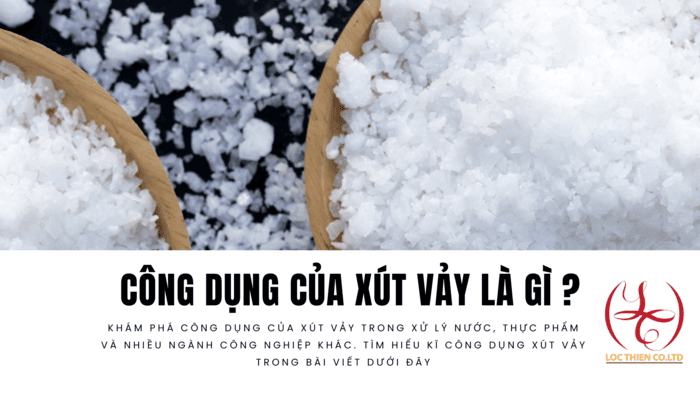
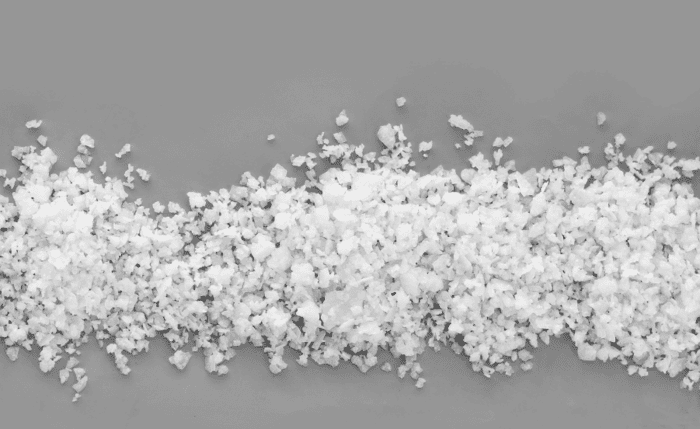
Caustic soda flakes, or sodium hydroxide (NaOH), are a solid chemical that appears as thin, white flakes. Produced through the electrolysis of salt brine, caustic soda flakes dissolve easily in water, releasing heat and forming a highly alkaline, corrosive solution. Due to their versatility and ease of storage, caustic soda flakes play a crucial role in many industries.
👉 Read more about what caustic soda flakes are
Characteristics and properties of caustic soda flakes
Physical properties
- State: Solid, typically in the form of white flakes or small pellets.
- Melting point: 318°C.
- Density: 2.13 g/cm³.
- Solubility: Highly soluble in water, releasing a significant amount of heat and forming a strongly alkaline solution.
- Hygroscopicity: Strong moisture absorption from the air, leading to clumping if not stored properly.
Chemical properties
- Strong alkali: NaOH solution neutralizes acids, forming salts and water.
- Reaction with metals: Generates hydrogen gas when in contact with aluminum or zinc.
- Saponification: Breaks down fats and oils, converting them into soap and glycerin.
- Oxidizing properties: Reacts with strong oxidizing agents in chemical production processes.
Applications of caustic soda flakes in various industries

- Chemical industry: Caustic soda flakes are a fundamental raw material in producing industrial chemicals such as sodium hypochlorite (bleaching agent), sodium phenolate (plastic synthesis), and various salts. They are also used in manufacturing industrial detergents like laundry powder and dishwashing liquid.
- Pulp and paper industry: Caustic soda flakes remove lignin from wood fibers during pulp production, enhancing the whiteness and durability of finished paper.
- Electroplating and metal production: Used for cleaning metal surfaces before plating and in aluminum production.
- Textile and dyeing industry: Applied in fabric treatment to soften materials and improve dye absorption, ensuring long-lasting colors.
- Water treatment: Adjusts the pH of industrial wastewater, reduces acidity, and removes heavy metals. It is also used for disinfection and purification in drinking water and industrial water systems.
- Food processing: Used for peeling vegetables like tomatoes and potatoes or treating olives. It also sanitizes food processing equipment to meet strict hygiene standards.
- Energy sector: Used in alkaline battery production and fuel processing.
- Oil and gas industry: Adjusts pH in oil and gas extraction, aiding in sulfur compound and CO₂ treatment.

Applications of caustic soda flakes in daily life
- Soap production: A key ingredient in handmade and industrial soap manufacturing.
- Strong cleaning agent: Used in kitchen, bathroom, and drain cleaning products.
- Equipment cleaning and maintenance: Sanitizes boilers, heat exchangers, and greasy industrial surfaces.
- Waste treatment: Aids in organic waste decomposition in industrial waste management systems.
Loc Thien proudly stands as a leading importer and distributor of industrial chemicals like NaOH 99 in Vietnam. Whether you need to purchase caustic soda flakes or liquid caustic soda, our products are sourced directly from reputable manufacturers in China, ensuring high quality, international standards compliance, and suitability for various industrial applications.

Safety precautions when using caustic soda flakes
During use
- Wear protective gear such as goggles, gloves, masks, and protective clothing. Gradually add caustic soda flakes to water to avoid excessive heat release.
- Work in a well-ventilated area to avoid inhaling fumes or dust.
- In case of eye contact, rinse immediately with clean water for at least 15 minutes. If accidentally ingested, drink plenty of water (do not induce vomiting) and seek immediate medical attention.
Storage guidelines
- Sealed packaging: Store in chemical-resistant plastic bags or containers.
- Dry location: Keep away from moisture, sunlight, and water sources.
- Clear labeling: Avoid confusion and keep out of children's reach.
- Regular inspection: Ensure no leaks or damage.
Important warnings
- Caustic soda flakes are highly corrosive and can cause severe skin burns, eye damage, or mucosal tissue destruction upon contact.
- Always have first-aid equipment (clean water, soothing skin ointment) on hand and seek emergency medical help if accidents occur.
- Never reuse caustic soda containers for food or beverages.
Conclusion
As demonstrated, caustic soda flakes are an industrial chemical with outstanding applications in critical sectors such as chemical production, water treatment, paper manufacturing, textile dyeing, and food processing. The applications of caustic soda flakes not only optimize production processes but also deliver high economic efficiency. However, proper handling and storage are crucial to ensure safety and maximize their value.
At Loc Thien Chemicals Co., Ltd., we are committed to supplying high-quality caustic soda flakes that meet all business requirements at competitive prices. With a dedicated team of experts, we provide comprehensive solutions to help you fully leverage the benefits of caustic soda flakes.
- 📞 Hotline: 0979 891 929
- 📩 Email: [email protected]
- 🌐 Website: hoachatlocthien.com
Contact us today for expert advice and the best support!