
Applications of Semiconductors in Modern Technology
Tóm tắt nội dung
Semiconductors are the foundation driving all modern technological advancements, from consumer electronics to industrial systems and renewable energy. As the "heart" of smart devices, semiconductor applications have ushered in major breakthroughs in how humans live, work, and communicate. So, what are semiconductors? And why are their applications so essential in the digital age? This article will delve into the role, history, and critical applications of semiconductors in daily life and industry.
What Are Semiconductors?
Semiconductors are materials with electrical conductivity between conductors (like copper) and insulators (like glass). Their defining characteristic is the ability to alter conductivity through temperature, light, or electric field influences.
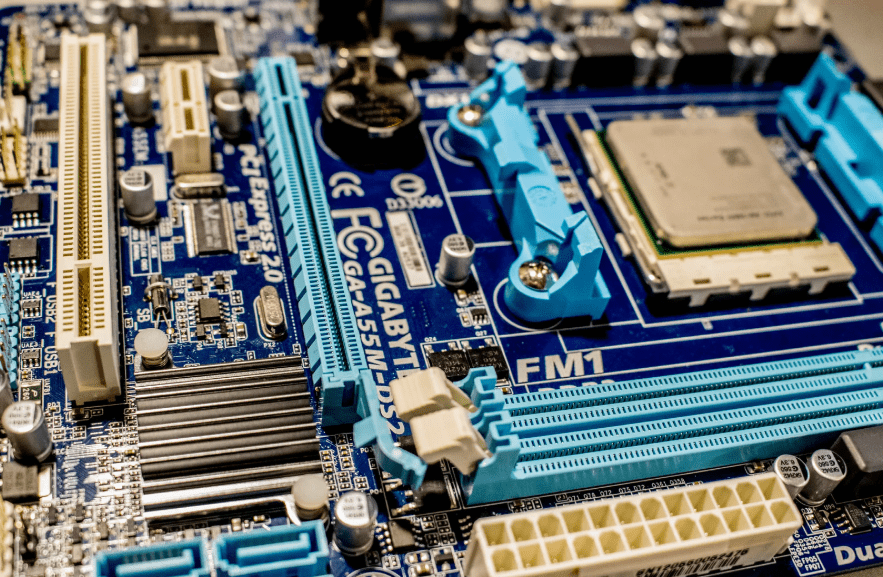 What are semiconductors?
Common semiconductors include silicon, germanium, and compounds like gallium arsenide. Silicon is the most widely used material in electronics due to its stability and ease of modification.
The Role of Semiconductors
Semiconductors are pivotal in technological development, from microchip fabrication to consumer electronics. Their applications significantly impact industries such as:
- Information technology: Microprocessors, memory, and sensors.
- Consumer electronics: TVs, smartphones, and smart devices.
- Automotive industry: Sensors, control systems, and autonomous vehicles.
- Renewable energy: Photovoltaic cells in solar panels.
You may also be interested in:
Applications of Semiconductors
| Application | Primary Role | Industry Use Cases |
| Microprocessors & Memory | CPUs and semiconductor memory (RAM, Flash) form the backbone of electronic devices, enabling rapid data processing, storage, and retrieval in modern digital systems like computers, smartphones, and data centers. |
|
| Sensors | Semiconductor sensors leverage material properties to detect environmental factors like temperature, light, humidity, and pressure. |
|
| Solar Cells | Photovoltaic cells use semiconductors like silicon to convert sunlight into electricity via the photovoltaic effect. |
|
| LED & OLED Displays | Light-emitting diodes (LEDs) and organic LEDs (OLEDs) exemplify semiconductor applications in lighting and visual displays. |
|
Why Are Semiconductors Important?
Semiconductors optimize electronic device performance and enable technological breakthroughs. Their fast processing, energy efficiency, and integration capabilities drive innovation across all sectors.
Current Challenges
The semiconductor industry faces supply shortages due to surging demand, pandemic-induced supply chain disruptions, and reliance on major manufacturers like TSMC. Advanced technologies (e.g., 2nm nodes) require massive investments amid intensifying global competition and domestic production pressures.
The Future of Vietnam's Semiconductor Industry
Vietnam's semiconductor sector is rapidly developing, aiming to become a national priority industry. The country has potential to emerge as a regional innovation hub.
 Future of semiconductors
Key growth drivers include:
- Government support through tax incentives and investment attraction policies.
- Enhanced workforce training to meet global market demands.
- International collaborations with giants like NVIDIA, Intel, and Samsung.
- Leveraging AI advancements and rising chip demand.
Conclusion
This article has explored semiconductor applications—how they revolutionized technology from foundational inventions to groundbreaking daily-life implementations. With continuous advancements, semiconductors promise further transformative changes ahead.
Loc Thien Chemicals Co., Ltd. proudly serves as Vietnam's leading supplier of industrial electronic chemicals and semiconductor chemicals, including products for electronics manufacturing and semiconductor production. With nationwide warehouse facilities and a dedicated expert team, Loc Thien delivers comprehensive chemical solutions featuring high quality, competitive pricing, and professional customer service.
Contact us now for free consultation and the best quotes:
- 📞 Hotline: 0979 891 929
- 📩 Email: [email protected]
- 🌐 Website: hoachatlocthien.com
Let Loc Thien accompany you on the path to sustainable development!
FAQs About Semiconductor Applications
- Are semiconductors recyclable?
- Yes, materials like silicon can be recycled from old electronics. The process involves disassembling components and reprocessing silicon for reuse in microchips or solar cells, though it requires complex technology and significant costs.
- How do semiconductors reduce energy consumption in devices?
- Modern semiconductors are designed for lower power consumption—e.g., 5nm processors or energy-efficient LEDs/OLEDs—enhancing device efficiency and battery life.
- What’s next for semiconductor development?
- Future semiconductors will shrink further while improving performance through quantum technologies and new materials like graphene, enabling breakthroughs in supercomputing, AI, and medicine.
- Why is there a semiconductor shortage?
- Shortages stem from surging demand in automotive, consumer electronics, and telecom sectors, compounded by pandemic disruptions, supply chain issues, and reliance on few major manufacturers.
- Who are the top semiconductor manufacturers today?
- Market leaders include TSMC (Taiwan), Samsung (South Korea), Intel (U.S.), and GlobalFoundries, dominating global supply chains.
- How do semiconductors impact electric vehicles?
- They enable motor controllers, battery systems, and sensors in EVs, optimizing performance and energy efficiency—key to developing smart, sustainable transportation.