
LESSON 2: HCl SAFETY — ACID VAPOR CONTROL & MONITORING
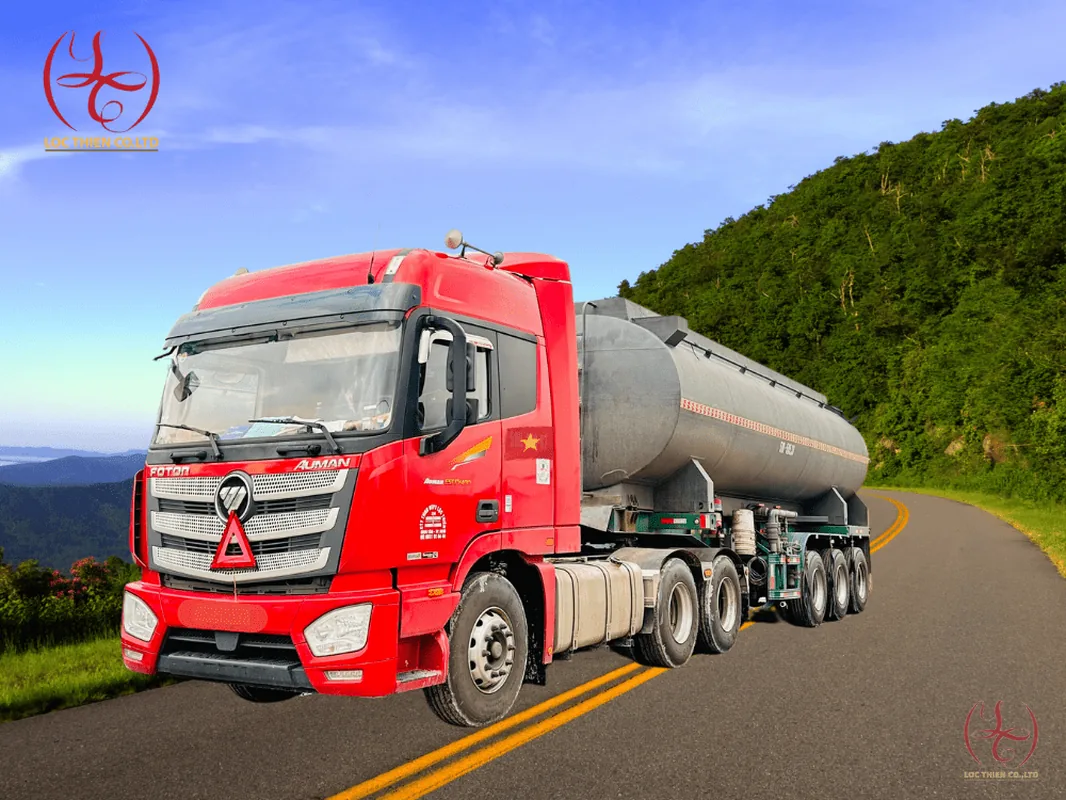
Table of contents
Slug: an-toan-hcl-kiem-soat-hoi-axit Word target: 1,500 – 1,800 words Angle: Vapor pressure of 32% vs 35% HCl — 35% evaporates 3× stronger. Alkaline scrubber NaOH 10%. HCl sensor 0–50 ppm. PPE + leak response procedure.
1. Why Must HCl Vapor Be Controlled
Hydrochloric acid (HCl) is a strong inorganic acid, existing as an aqueous solution of hydrogen chloride gas. At 32% and 35% concentrations, HCl releases HCl gas into the vapor phase — a colorless gas with a pungent odor, heavier than air (specific gravity 1.267), highly corrosive, and dangerous when inhaled at concentrations of just a few tens of ppm.
Health effects:
| HCl Concentration (ppm) | Symptoms |
|---|---|
| 0.5–5 | Unpleasant odor, mild mucous membrane irritation |
| 5–10 | Throat and eye irritation — PEL threshold (OSHA) |
| 10–50 | Coughing, difficulty breathing, burning sensation in respiratory tract |
| 50–100 | Lung damage within minutes — IDLH threshold |
| >1,000 | Acute pulmonary edema, risk of death |
Permissible exposure limits:
- PEL (OSHA): 5 ppm (8 hours)
- TLV-C (ACGIH): 2 ppm
- IDLH (NIOSH): 50 ppm
Acid vapor control is both an occupational safety requirement and a determinant of equipment service life. HCl vapor corrodes steel structures, piping, electrical equipment, and concrete floors if not addressed.
2. Vapor Pressure of 32% and 35% HCl
Non-linear difference between the two concentrations
Many engineers believe that the 3% mass difference between 32% and 35% HCl is negligible. In reality, the partial pressure of HCl changes exponentially with concentration. According to Perry’s Handbook (Table 2-10), at 30°C:
| HCl Concentration | HCl Partial Pressure (mmHg) | vs 32% |
|---|---|---|
| 30% | ~35 mmHg | — |
| 32% | ~60 mmHg | 1× (reference) |
| 35% | ~180–190 mmHg | ~3× |
| 37% | ~274 mmHg | ~4.5× |
35% HCl has a vapor pressure approximately 3 times that of 32% HCl. At the same tank volume and ventilation conditions, the amount of HCl gas emitted from 35% HCl is 3 times higher, directly affecting scrubber design load and safety thresholds. Temperature also plays a significant role: a 25°C increase to 35°C can double the HCl vapor pressure.
Solution: Limit the use of 35% HCl indoors if a properly designed scrubber is not installed. Use a dip pipe when filling acid into tanks — reduces HCl vapor pressure in the vapor space to approximately the diluted concentration (~20%), reducing scrubber load by up to ~500 times compared to spray filling from above.
3. Alkaline Scrubber — Acid Vapor Treatment
The scrubber system is the most important engineered defense for controlling HCl vapor. The most common type is an alkaline scrubber using 5–15% NaOH solution. Neutralization reaction: NaOH + HCl → NaCl + H₂O, producing table salt and water — safe products that can be discharged after dilution.
Types of scrubbers for HCl:
- Packed tower: Efficiency >99.9% HCl removal. Gas flows upward, 10% NaOH sprays downward through the packing bed. Suitable for large gas flow rates requiring discharge below 1 ppm.
- Ejector venturi: Uses liquid stream pressure to draw and mix gas, efficiency ~95%. Advantage: no exhaust fan required.
- Two-stage combination: Venturi (roughing stage) + packed tower (polishing stage) — recommended configuration for high-flow HCl loading areas.
Typical NaOH scrubber design parameters:
- NaOH concentration: 8–12% (optimal 10%)
- L/G ratio: 2–5 L/m³ gas
- Gas velocity in tower: 1–3 m/s
- Circulation tank pH: maintain ≥ 8
4. HCl Sensors — Monitoring System
Detecting HCl leaks using electrochemical sensors is a mandatory requirement at pumping stations, storage tanks, and resin regeneration areas.
Recommended fixed sensors:
| Parameter | Typical Value |
|---|---|
| Measurement range | 0–50 ppm |
| Low/high alarm thresholds | 5 ppm / 10 ppm |
| Technology | Electrochemical, accuracy ±2% |
| Response time T90 | 10–60 seconds |
| Output | 4-20 mA + RS485 Modbus |
| Protection | IP66, explosion-proof Ex d IIC T6 |
| Service life | 2–5 years |
Installation locations:
- HCl storage tank area — 0.3–0.5 m from tank bottom (HCl vapor is heavier than air)
- Pumping and loading stations
- Near ion exchange columns (acid pump area)
- Warehouse entrance — one ceiling sensor at the lowest point
Sensors require calibration every 6 months using HCl calibration gas. Some sensor models support remote calibration via infrared, allowing operation without opening the device cover in hazardous areas.
5. PPE — Personal Protective Equipment
When working with HCl, minimum PPE must include:
-
Chemical safety goggles: Acid-resistant sealed goggles. Face shield when loading or diluting large quantities of HCl.
-
Nitrile gloves: Minimum thickness 0.4 mm, breakthrough time >480 minutes. Inspect gloves before each use. For extended operations, prioritize fluoroelastomer (FKM) gloves.
-
Acid gas respirator: Inorganic acid gas filter cartridge (EN 14387 Type E, yellow color code) or full-face respirator. When concentration >50 ppm (IDLH), SCBA must be used.
-
PVC apron and rubber boots: Acid-resistant, no vent holes, covering the front body and feet.
PPE inspection before use:
- Gloves: Inflate with air, check for punctures. Replace immediately if damage is found.
- Goggles: Check straps, ensure lenses are not fogged/cracked.
- Respirator: Test breathing valves, check seal, verify filter cartridge expiration date.
6. HCl Leak Response Procedure
Any HCl leak must be handled following a standardized procedure to minimize harm to people and property.
Leak levels:
| Level | Characteristics | Action |
|---|---|---|
| Small leak | <1 L, dripping, controllable immediately | Wear full PPE, use chemical spill kit, neutralize with NaHCO₃ or soda ash, wipe dry, collect waste |
| Medium leak | 1–10 L, flowing stream | Evacuate area, notify safety department, activate emergency exhaust, use high-grade PPE + full-face respirator, use absorbent neutralizing material, do not flush to drains |
| Large leak | >10 L, tank/pipe rupture | Sound plant-wide alarm, evacuate to assembly point, call dedicated chemical response team, spray water mist to suppress HCl vapor, shut off leak source if safe |
8-step response sequence:
- Detection and alert: White fumes, pungent odor, or sensor alarm ≥ 5 ppm. Activate alarm horn, evacuate upwind.
- Isolation and source shutoff: Lock upstream valves, stop pumps, isolate electrical power in the area (except emergency exhaust). Set up barriers, prevent entry.
- Response PPE: SCBA + thick FKM/nitrile gloves + sealed chemical suit + boots. Minimum two persons, with safety line.
- Containment: Chemical dike or dry sand, do not allow acid into drains or water sources.
- Neutralization: Cover acid surface with NaHCO₃ or soda ash (Na₂CO₃) until bubbling stops, check pH reaches 6–8.
- Absorption and collection: Use chemical absorbent material, place in hazardous waste container, label.
- Post-incident handling: Maintain sensors and equipment, write report, retrain personnel.
- First aid: Skin contact — remove acid-contaminated clothing, flush with water for 15 minutes. Eyes — rinse for 15 minutes, keep eyelids open. Inhalation — move to fresh air, resuscitate if breathing stops.
7. Long-term Preventive Measures
Preventive maintenance minimizes HCl leak risks:
- Tanks and piping: inspect bottom valves, flanges, gaskets — replace gaskets every 6 months.
- Scrubber: every 3 months inspect spray nozzles, circulation tank pH, clean mist eliminator.
- HCl sensors: calibrate every 6 months, replace after 2–5 years.
- Training: every 6 months on response procedures and PPE/SCBA use.
8. Conclusion
HCl is an essential chemical in resin regeneration and water treatment, but carries high safety risks if not properly controlled. Four pillars of safe operation: acid vapor emission control (tank design, NaOH scrubber), continuous monitoring (0–50 ppm sensors), adequate PPE, and regularly trained leak response procedures.
Between the two common concentrations, 32% HCl has approximately 3 times lower vapor pressure than 35% HCl, making it significantly safer under the same storage conditions. Choosing the right concentration and designing the scrubber for the correct load determine the overall safety of the plant.
Loc Thien Chemical supplies 32% and 35% HCl, each batch with COA and MSDS, fulfilling stringent requirements for water treatment and ion exchange resin regeneration. For consultation on regeneration processes, safety solutions, or chemical orders, please call Hotline: 0979 891 929 — contact Phan Cam Thuy or Vo Thi Nhu Hoa for prompt assistance.
This article is part of the technical content system of Loc Thien Chemical — specializing in industrial chemicals for water treatment, electroplating, and textile dyeing in Vietnam.
What is the minimum safe distance for storing 32% HCl tanks?
A minimum distance of 15m from regularly occupied work areas and 30m from surface water sources per TCVN 5507:2002. Storage tanks must have secondary containment with a capacity exceeding 110% of the largest tank volume. The area surrounding the tank must have HCl sensors and emergency eyewash stations within a 15m radius.
If HCl vapor is inhaled, what first aid should be given?
Immediately move the victim to a well-ventilated area. If breathing is difficult, administer humidified oxygen (if available). Absolutely DO NOT induce vomiting. Rinse eyes with clean water for at least 15 minutes if HCl vapor contacted the eyes. Call emergency services (115) and report “hydrochloric acid exposure.”
How often should HCl sensors be calibrated?
Electrochemical HCl sensors need calibration every 3–6 months, or immediately after any leak event exceeding 50% of the scale. Use 10–25 ppm HCl calibration gas in nitrogen. Replace the sensor cell every 24–36 months or when zero drift exceeds 5% of full scale.
Why is 35% HCl much more dangerous than 32% HCl despite only a 3% difference?
HCl vapor pressure increases exponentially with concentration. At 30°C, 35% HCl has a vapor pressure of ~150 mmHg, 3 times higher than 32% HCl. In the same space, the HCl vapor concentration from 35% HCl is 3 times higher, reaching the IDLH threshold (50 ppm) much faster. For most applications, 32% HCl is the safer and more economical choice.
Can an alkaline scrubber remove 100% of HCl vapor?
No. Alkaline scrubber efficiency typically reaches 95–99% with a properly designed packed tower. To achieve over 99%, a combination of packed tower + venturi scrubber + demister pad is needed. The HCl concentration at the discharge point must be below 10 ppm per QCVN 19:2009/BTNMT.
Technical Support & B2B Procurement Hotline
Loc Thien Chemical specializes in direct manufacturing of FeCl₂ / FeCl₃ and direct industrial supply of basic chemicals (NaOH, HCl, H₂SO₄, PAC, NaOCl, H₂O₂, FeSO₄) with direct B2B pricing and dedicated 5–30-ton tanker delivery across Vietnam.
- Hotline / Zalo: +84 979 891 929
- Official Email: [email protected]
- Direct Manufacturer: Ferrous Chloride (FeCl₂ 30%) & Ferric Chloride (FeCl₃ 38–40%)
- Primary Supplier: NaOH 32%/45%/50%/99%, HCl 32%, H₂SO₄ 98%, PAC 30–31%, NaOCl 10–12%, H₂O₂ 35%/50%
- Compliance & Quality: FeCl₂ ZDHC MRSL v3.1 test report (Smart testing, 5 substance groups, TUV Rheinland Vietnam), ISO 9001:2015, Quatest 3, Full COA & GHS SDS