
Acetic Acid CH3OOH: Description, Uses, and Where to Buy It at a Low Price
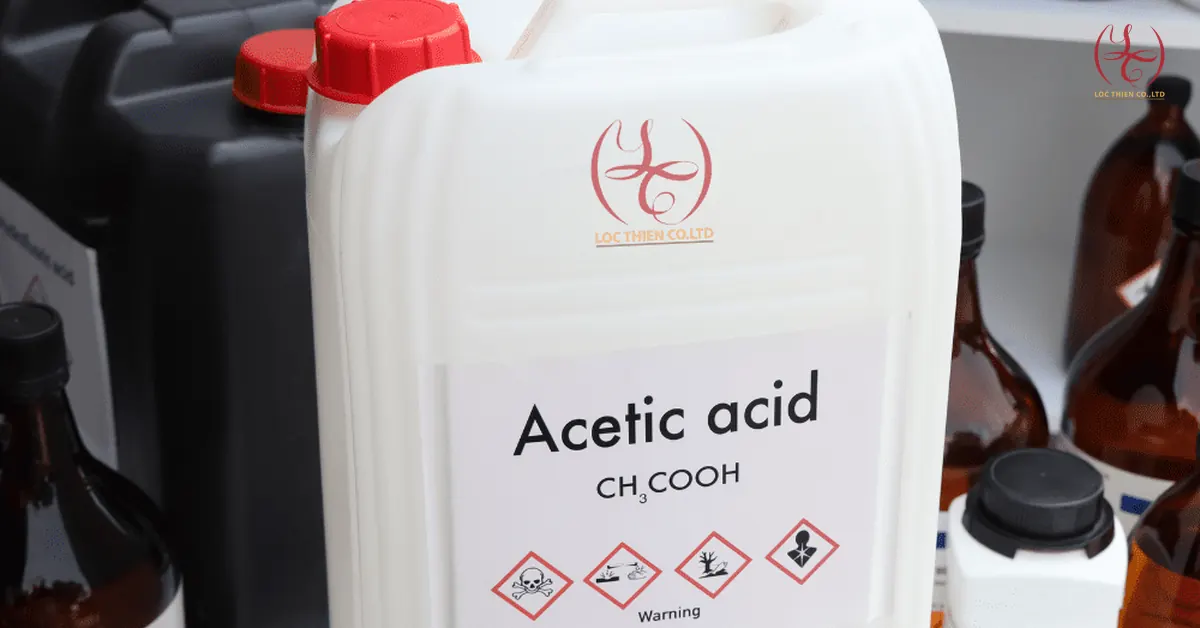
Table of contents
- Characteristics and Properties of Acetic Acid
- Chemical Properties of Acetic Acid (CH3COOH)
- Applications of CH3COOH
- Is Acetic Acid a strong acid?
- Does Acetic Acid have any health effects?
- Can Acetic Acid be used to clean stains and as a cleaning agent?
- Can Acetic Acid be used to adjust pH?
- Why does Acetic Acid have a distinctive odor?
- Can Acetic Acid damage metals?
- Is Acetic Acid a good solvent?
- What is the difference between industrial-grade Acetic Acid and food-grade Acetic Acid?
- Is Acetic Acid flammable?
- How should Acetic Acid be stored safely?
- Can Acetic Acid be used in the medical field?
- Why can Acetic Acid preserve food?
- Can Acetic Acid replace Citric Acid in food?
- Does Acetic Acid have antibacterial properties?
- Can concentrated Acetic Acid be diluted with water?
- Can Acetic Acid be used in fish tanks or aquariums?
- Can Acetic Acid be recycled?
- Can Acetic Acid be mixed to make homemade vinegar?
Acetic Acid (CH3COOH) is an organic compound belonging to the carboxylic acid group, with a pungent odor and a characteristic sour taste. It is the main component of table vinegar, in which it accounts for approximately 8% by volume. Although considered a weak acid, in its concentrated form, CH₃COOH can be highly corrosive and may cause irritation to the skin, eyes, or respiratory system upon direct contact.
It is one of the most important chemicals in industry and daily life. Acetic Acid has widespread applications in many industrial sectors, such as chemicals, food, pharmaceuticals, Textile Dyeing, water treatment, and plastics manufacturing. Depending on the intended use, CH₃COOH is produced in various concentrations, with the 99% grade—which is highly pure—being the most commonly used in industrial production.
Characteristics and Properties of Acetic Acid
Acetic Acid (CH3COOH) is an organic compound belonging to the carboxylic acid group. It exists as a colorless liquid with a pungent odor and a sour taste. It is easily soluble in water and many other organic solvents such as alcohol, ether, benzene, acetone, and chloroform. In nature, Acetic Acid can be formed through the fermentation of sugars and starches. Acetic Acid, also known by the chemical formula CH₃COOH, is a colorless organic liquid with a pungent odor and a sour taste.
If you’re interested in learning about cations and anions, see more details here. Notably, it is completely soluble in solvents such as water, alcohol, ether, benzene, acetone, and chloroform.
Acetic Acid (CAS: 64-19-7) is an important chemical widely produced around the world, particularly in countries such as South Korea, China, and the United States. It is volatile and reacts vigorously with many metals, especially alkali metals. If exposed directly, CH3COOH can cause irritation to the skin, eyes, and respiratory system; therefore, appropriate safety precautions must be taken when working with this chemical.
Therefore, thorough personal protective measures must be implemented, and safety regulations must be strictly followed when working with this acid to avoid the risk of direct exposure to the environment.
Chemical Properties of Acetic Acid (CH3COOH)
- pH: Ranges from 2.4 to 2.6, depending on the solution concentration.
Applications of CH3COOH
- Acetic Acid, also known in its diluted form as vinegar, has many applications in various fields:
You can also learn more about sodium acetate here.
Acetic Acid
If you’re looking to buy high-quality Acetic Acid at a great price, Loc Thien Chemicals is a trusted source. We specialize in supplying pure CH3COOH in a variety of concentrations to meet the needs of industrial, food, and pharmaceutical production.
- 📞 Contact us now at 0979 891 929 for consultation and the best quote!
If you’re looking for a reputable supplier of acetic acid in Ho Chi Minh City, check out more details here.
Acetic Acid (CH₃COOH) is an important chemical with many applications in daily life and industry. However, when using it, it’s essential to understand its properties, risks, and proper storage methods to ensure safety. If you have any other questions, please contact Loc Thien Chemicals for more detailed advice!
Is Acetic Acid a strong acid?
Does Acetic Acid have any health effects?
+ Inhaling Acetic Acid fumes can cause respiratory tract irritation, difficulty breathing, coughing, or damage to the mucous membranes.
+ Contact with the skin and eyes can cause chemical burns, irritation, redness, or corneal damage if not rinsed off promptly.
+ Ingestion of concentrated CH₃COOH can cause damage to the digestive system, esophageal burns, abdominal pain, or even be life-threatening.
Can Acetic Acid be used to clean stains and as a cleaning agent?
Can Acetic Acid be used to adjust pH?
+ In the food industry, it helps adjust the acidity of food, keeping it fresh longer.
+ In water treatment, Acetic Acid is used to adjust the pH in Wastewater Treatment systems or Swimming Pools.
Why does Acetic Acid have a distinctive odor?
Can Acetic Acid damage metals?
Is Acetic Acid a good solvent?
What is the difference between industrial-grade Acetic Acid and food-grade Acetic Acid?
+ Industrial-grade Acetic Acid: Typically has a concentration of 99%, is used in the production of plastics, rubber, and textiles, and may contain impurities that are unsafe for consumption.
Is Acetic Acid flammable?
How should Acetic Acid be stored safely?
Keep it in a dry, cool, well-ventilated area, away from high temperatures.
Avoid direct exposure to sunlight to minimize evaporation.
Wear gloves, safety goggles, and a respirator when handling concentrated Acetic Acid.
Can Acetic Acid be used in the medical field?
+ Cleaning wounds (an acetic acid solution 1% can kill antibiotic-resistant bacteria).
+ Use in cytological testing, such as the Acetic Acid Test for cervical cancer screening.
Why can Acetic Acid preserve food?
Can Acetic Acid replace Citric Acid in food?
Does Acetic Acid have antibacterial properties?
Can concentrated Acetic Acid be diluted with water?
Can Acetic Acid be used in fish tanks or aquariums?
Can Acetic Acid be recycled?
Can Acetic Acid be mixed to make homemade vinegar?
Technical Support & B2B Procurement Hotline
Loc Thien Chemical specializes in direct manufacturing of FeCl₂ / FeCl₃ and Tier-1 supply of basic industrial chemicals (NaOH, HCl, H₂SO₄, PAC, NaOCl, H₂O₂, FeSO₄) with direct B2B pricing and dedicated 5–30-ton tanker delivery across Vietnam.
- Hotline / Zalo: +84 979 891 929
- Official Email: [email protected]
- Direct Manufacturer: Ferrous Chloride (FeCl₂ 30%) & Ferric Chloride (FeCl₃ 38–40%)
- Primary Supplier: NaOH 32%/45%/50%/99%, HCl 32%, H₂SO₄ 98%, PAC 30–31%, NaOCl 10–12%, H₂O₂ 35%/50%
- Compliance & Quality: FeCl₂ ZDHC MRSL v3.1 test report (Smart testing, 5 substance groups, TUV Rheinland Vietnam), ISO 9001:2015, Quatest 3, Full COA & GHS SDS