
Overview of Precipitation Chemicals in the Semiconductor Industry
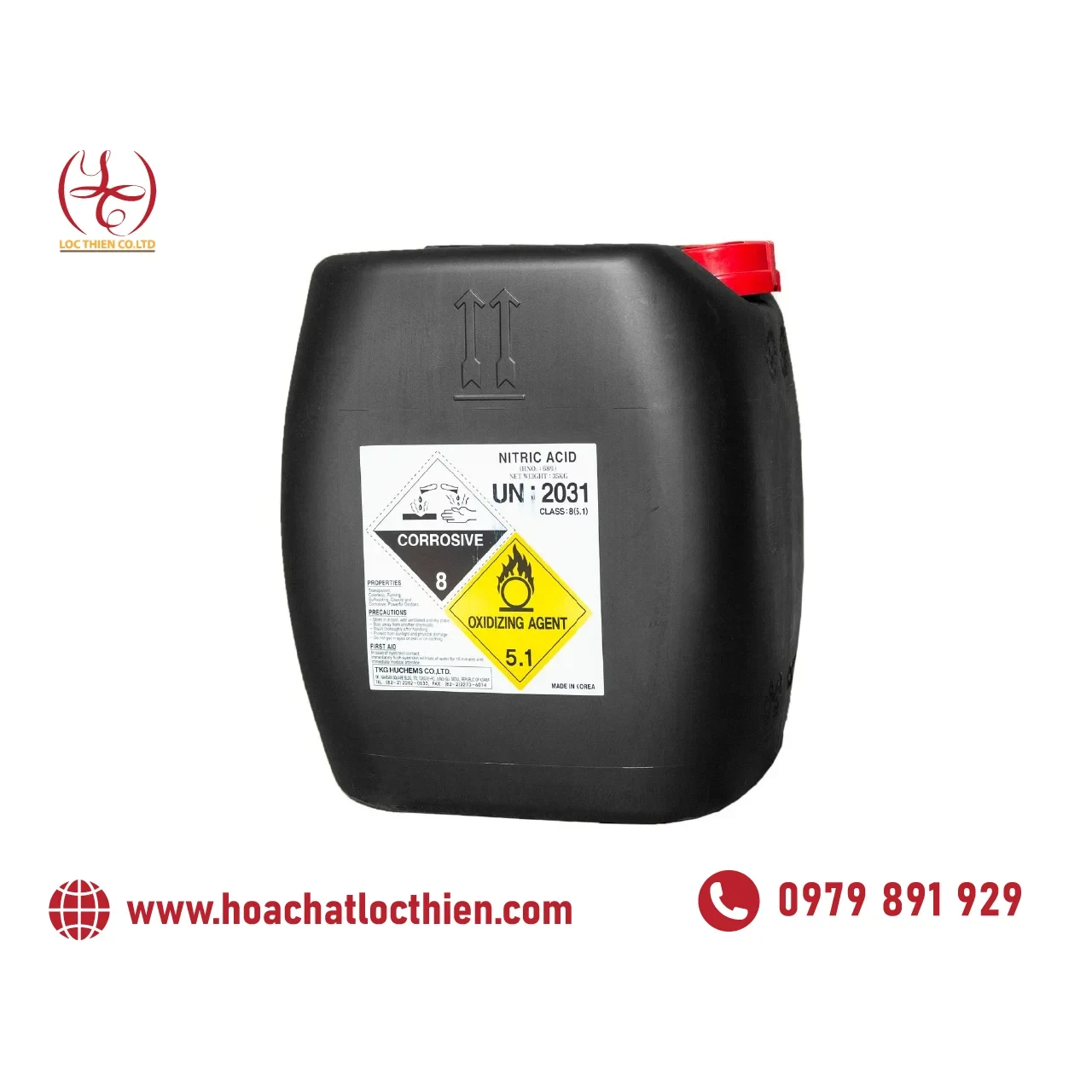
Overview of Deposition Chemicals in the Semiconductor Industry
Deposition chemicals are a core element in the manufacturing process of modern semiconductor components, contributing to the creation of ultra-thin, precise coatings on silicon wafers—the foundation for ensuring optimal performance and superior durability in high-tech electronic devices.
Against the backdrop of increasingly stringent requirements for microstructures and nanometer-level precision, deposition technologies such as CVD, PVD, and ALD are becoming indispensable solutions for leading semiconductor manufacturers:
- CVD (Chemical Vapor Deposition): Chemical vapor deposition enables the creation of uniform, precisely thin coatings over large areas, making it ideal for the production of microprocessor chips and electronic sensors.
- PVD (Physical Vapor Deposition): Physical vapor deposition is ideal for creating conductive metal coatings and critical protective layers in microchips, ensuring electrical conductivity and corrosion resistance.
- ALD (Atomic Layer Deposition): Atomic layer deposition, delivering ultra-thin layers with absolute uniformity, meeting the production needs of AI processors and ultra-small IoT devices.
With extensive experience and strong supply capabilities, Loc Thien Investment and Development Co., Ltd. is a Vietnam-based industrial chemical supplier. We focus on process-grade supply, logistics support, and quotations upon request. We are committed to providing deposition chemical solutions as well as semiconductor chemicals that meet international standards, helping to optimize production processes and enhance the quality of Semiconductor components.
📞 Hotline: 0979 891 929 | 📩 Email: [email protected] | 🌐 Website: hoachatlocthien.com
Key Deposition Chemicals in the Semiconductor Industry
1. Silane (SiH₄)
- Applications: The primary source of silicon in CVD, used to form crystalline or amorphous silicon layers on silicon wafers.
- Properties: Highly flammable when exposed to air; requires storage in sealed and secure conditions.
2. Pure Ammonia (NH₃)
- Applications: Forms a silicon nitride (Si₃N₄) layer in CVD, helping to improve electrical insulation and mechanical strength.
- Note: The gas has a pungent odor; adequate ventilation is required during use.
3. Hydrochloric Acid (HCl)
- Applications: Cleaning and etching silicon wafer surfaces, removing metal impurities prior to deposition.
- Note: Highly corrosive; store in a container.
4. PVD Metals (Al, Ti, Au)
- Aluminum (Al): Used as conductors in microchips.
- Titanium (Ti): Adhesive and surface protection layer.
- Gold (Au): A high-performance conductive layer that provides oxidation resistance and surface protection.
5. Tetraethyl Orthosilicate (TEOS)
- Applications: A source of liquid silicon in CVD, used to form thin, uniform, and precise silicon oxide (SiO₂) layers.
6. Trimethylaluminum (TMA)
- Applications: Precursor in ALD, forming an aluminum oxide (Al₂O₃) film with high durability, excellent electrical insulation, and effective heat dissipation.
7. Titanium Tetrachloride (TiCl₄)
- Applications: Deposits titanium nitride (TiN) and titanium dioxide (TiO₂) layers, helping to reduce electrical resistance and enhance wear resistance.
Applications of Deposition Chemicals in the Semiconductor Industry
1. Precise Thin-Film Deposition
- Forming highly uniform layers of SiO₂, Si₃N₄, and TiN on wafer surfaces.
- Ensures precise and optimal thickness for microstructures in the production of ICs, semiconductor chips, and NAND flash memory.
2. Enhancing Electrical and Mechanical Performance
- Reducing resistance: Optimizing electrical conductivity and minimizing energy loss.
- Increase mechanical strength: Protect microcircuits from physical impacts and pressure during the manufacturing process.
3. Protection and Electrical Insulation
- Coatings such as Al₂O₃ and Si₃N₄ help reduce signal noise and improve electrical insulation between conductive paths.
- Resist oxidation and corrosion, protecting components in harsh environmental conditions.
4. Optimizing the Manufacturing Process
- CVD and ALD technologies help increase production speed and efficiency, meeting the demands of automated production lines in the Semiconductor industry.
5. Heat Dissipation and Thermal Stability
- Metal oxide layers such as Al₂O₃ and TiN facilitate efficient heat dissipation, extending the lifespan of central processing units (CPUs) and graphics processing units (GPUs).
6. Applications in Nanoscale Technology
- Meets the requirements for nanoscale microstructures in AI processing chips, IoT devices, and 3D NAND memory.
Safe Use Guidelines
- Storage: Store chemicals in a dry, cool, well-ventilated area, away from direct heat and sunlight.
- Protective Gear: Wear safety goggles, chemical-resistant gloves, a respirator, and protective clothing when handling the chemical.
- Ventilation: Ensure adequate ventilation in the work area to prevent exposure risks.
Why Choose Loc Thien Chemicals as Your Flocculant Supplier?
- International quality: Products meet ISO 9001:2015, REACH, ensuring safety, effectiveness, and compliance with the chemical industry’s stringent regulations.
- Extensive Warehouse Network: A strategically located warehouse system in Ba Ria – Vung Tau, Dong Nai, Binh Duong, Da Nang, Can Tho, Bac Ninh, and other key regions ensures rapid fulfillment of large orders nationwide.
- Professional service: Our team of experienced technical experts is ready to provide detailed consultation, from selecting the right product to guidance on safe and effective use.
- Transparent policy: We offer a hassle-free return policy within 7 days if the product does not meet quality requirements.
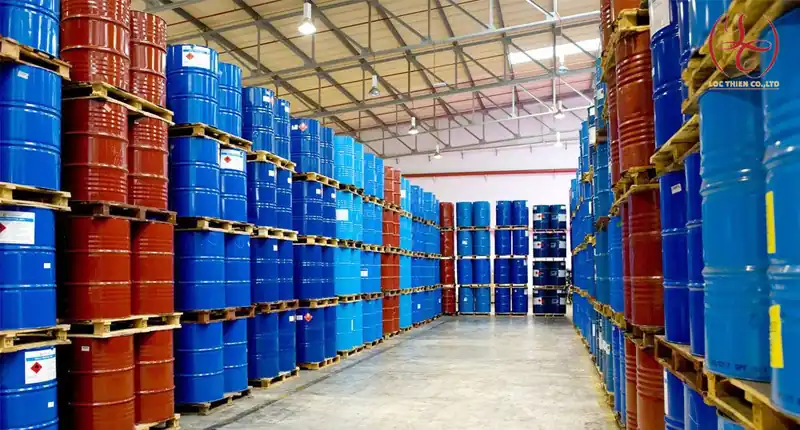

List of Precipitating Chemicals at Loc Thien
- Hydrochloric Acid (HCl) – 32% and 35%
- Silane (SiH₄)
- Pure Ammonia (NH₃)
- Tetraethyl Orthosilicate (TEOS)
- Trimethylaluminum (TMA)
- Titanium Tetrachloride (TiCl₄)
- PVD Metals: Aluminum, Titanium, Gold
👉 Contact us now for consultation and the best quote!
Conclusion
Deposition chemicals are an indispensable foundation in the modern Semiconductor industry. With high-quality products such as HCl, Silane, NH₃, and TMA, Loc Thien Investment and Development Co., Ltd. is committed to providing optimal and comprehensive solutions for your business.
- 📞 Hotline: 0979 891 929
- 📩 Email: [email protected]
- 🌐 Website: hoachatlocthien.com
Let Loc Thien partner with you on the sustainable growth of your business! 🚀
FAQ – Frequently Asked Questions About Chemicals
Deposition Materials in the Semiconductor Industry1. What are deposition chemicals, and what is their role in the Semiconductor industry?
Deposition chemicals are substances used in deposition technologies such as CVD (chemical vapor deposition), PVD (physical vapor deposition), and ALD (atomic layer deposition). They help create ultra-thin, precise coatings on the surface of silicon wafers, ensuring high performance and long-term durability of semiconductor components such as microprocessor chips, NAND flash memory, and IoT devices.
2. What are the most important deposition chemicals and their applications?
Some important deposition chemicals include:
- Silane (SiH₄): Forms a silicon layer in CVD technology.
- Hydrochloric Acid (HCl): Cleans and etches the wafer surface prior to deposition.
- Ammonia (NH₃): Forms a silicon nitride (Si₃N₄) layer.
- Trimethylaluminum (TMA): Used in ALD to form an insulating aluminum oxide layer.
- Tetraethyl orthosilicate (TEOS): Forms a silicon oxide (SiO₂) layer.
- PVD Metals (Al, Ti, Au): Conductive and protective layers for integrated circuits.
3. Why choose Loc Thien as your partner for deposition chemicals?
Loc Thien Investment and Development Co., Ltd. is proud to be a leading chemical supplier in Vietnam, offering:
- International quality: Products comply with ISO 9001:2015, REACH standards.
- Extensive warehouse system: Warehouses located in Ba Ria – Vung Tau, Dong Nai, Binh Duong, Da Nang, Can Tho, Bac Ninh, and other key regions.
- Professional service: A team of technical experts provides detailed consultation and dedicated support.
- Transparent policy: 7-day return policy if products do not meet requirements.
4. What safety standards must be followed when using precipitation chemicals?
When using precipitation chemicals, the following safety measures must be followed:
- Storage: Store in a dry, cool, well-ventilated area, away from direct sunlight and heat sources.
- Protective gear: Wear safety goggles, chemical-resistant gloves, protective clothing, and a respirator.
- Ventilation: Ensure the work area has a well-ventilated environment.
- Troubleshooting: Have spill response procedures and chemical neutralization measures in place in case of an incident.
5. Can Loc Thien Chemicals supply chemicals to meet special requirements?
Yes. Loc Thien Chemicals supplies precipitation chemicals tailored to customers’ specific requirements, ranging from small quantities to large orders. We ensure a stable supply, clear product origin, and support fast nationwide delivery.
6. Does Loc Thien provide technical and safety documentation for chemicals?
Yes. All products supplied by Loc Thien Chemicals come with technical documentation such as MSDS (Material Safety Data Sheets), detailed technical specifications, and safety usage instructions. We also provide in-depth consulting to help customers use chemicals effectively and in compliance with regulations.
- 📞 Hotline: 0979 891 929
- 📩 Email: [email protected]
- 🌐 Website: hoachatlocthien.com