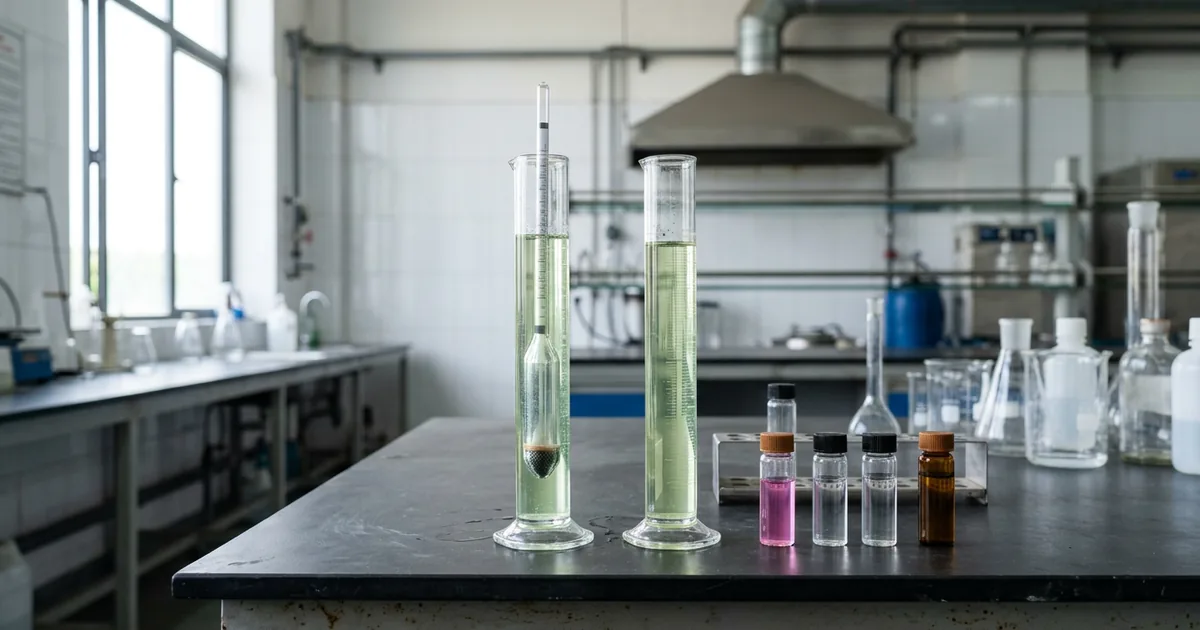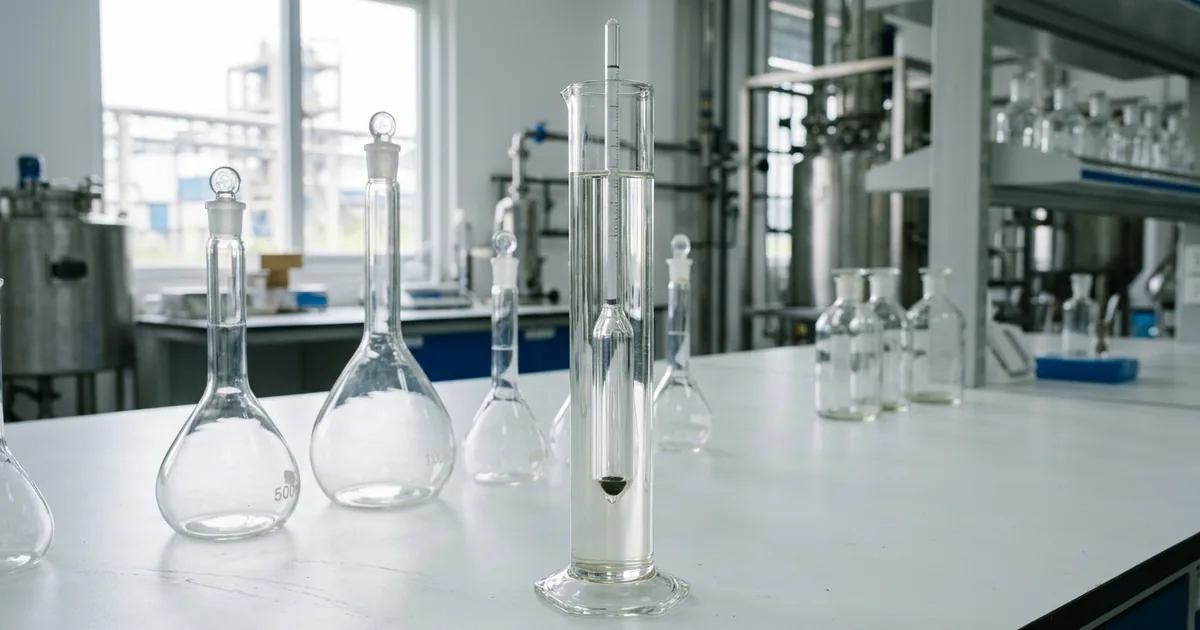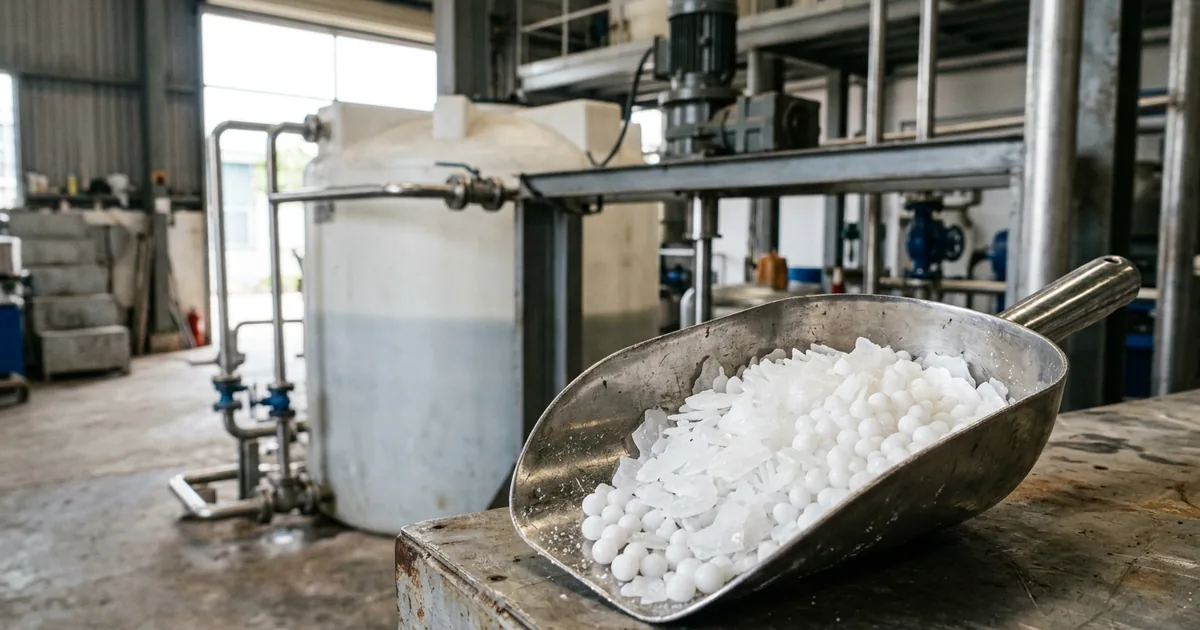
H2S Odor Abatement & Concrete Sewer Corrosion (MIC) Control Using Ferrous Chloride FeCl2 30% Combined with Hydrogen Peroxide H2O2 50%
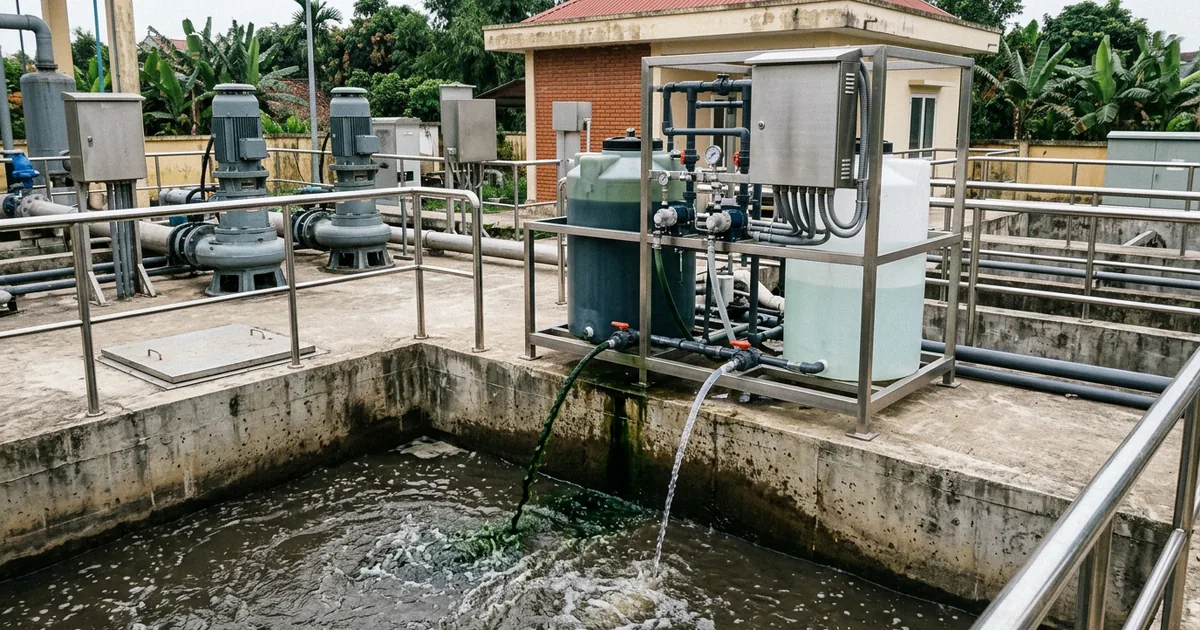
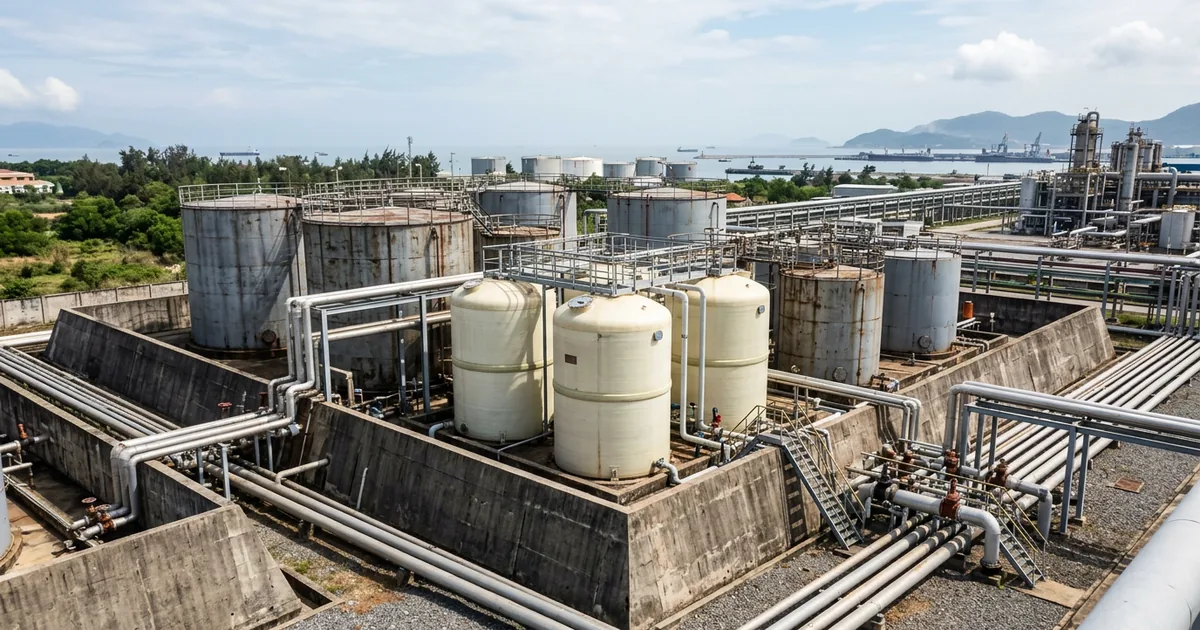
Key Technical Summary: Hydrogen Sulfide (H2S) gas generated by anaerobic Sulfate-Reducing Bacteria (SRB) in wastewater force mains, textile dyeing and paper mill collection sumps, and equalization tanks causes severe rotten-egg odor complaints, acute neurotoxicity above 100 ppm (OSHA IDLH), and rapid structural failure of reinforced concrete pipelines via Microbiologically Induced Corrosion (MIC). Rather than treating H2S only after it volatilizes into the air, the most cost-effective engineering strategy locks dissolved sulfide directly inside the liquid phase through a two-stage dosing protocol: (1) Primary dosing of Ferrous Chloride solution (FeCl2 30%) at upstream lift stations at 15.0–18.5 kg FeCl2 30% per 1 kg of dissolved sulfide (S2-) to precipitate non-volatile Ferrous Sulfide (FeS, Ksp = 6.3 x 10^-18); and (2) Polishing oxidation with Hydrogen Peroxide (H2O2 50%) at 1.4–2.8 kg H2O2 50% per kg S2- ahead of the equalization tank to destroy residual H2S and catalytically regenerate Fe2+/Fe3+ ions while cutting chemical sludge volume by 35%. In Vietnam, Loc Thien Chemical (Tax ID: 0313650856) supplies industrial chemicals in bulk from 6 strategic industrial park warehouses (Ba Ria - Vung Tau, Dong Nai, Binh Duong, Da Nang, Can Tho, Bac Ninh) via a dedicated 5–30-ton tanker fleet with batch-specific COA and 16-section GHS SDS — contact hotline 0979 891 929 for a technical quote within 15 minutes.
Table of contents
Eliminating toxic Hydrogen Sulfide (H₂S) gas and halting Microbiologically Induced Corrosion (MIC) in industrial wastewater collection networks requires chemical intervention directly within the liquid phase before dissolved H₂S can strip into the headspace atmosphere. By injecting Ferrous Chloride FeCl₂ 30% (directly manufactured by Loc Thien Chemical, CAS 7758-94-3) at upstream lift stations at a dosage of 15–18 g FeCl₂ 30% / m³ per 1 mg/L S²⁻ to lock sulfide as insoluble FeS precipitate (Ksp = 6.3 × 10⁻¹⁸), combined with polishing doses of Industrial Hydrogen Peroxide H₂O₂ 50% (CAS 7722-84-1) at the equalization basin inlet (2.5–3.5 g H₂O₂ 50% / g H₂S), industrial wastewater treatment plants eliminate 95–99% of airborne H₂S (≤ 0.5 ppm in worker breathing zones), preserve reinforced concrete infrastructure, and improve primary clarification performance.
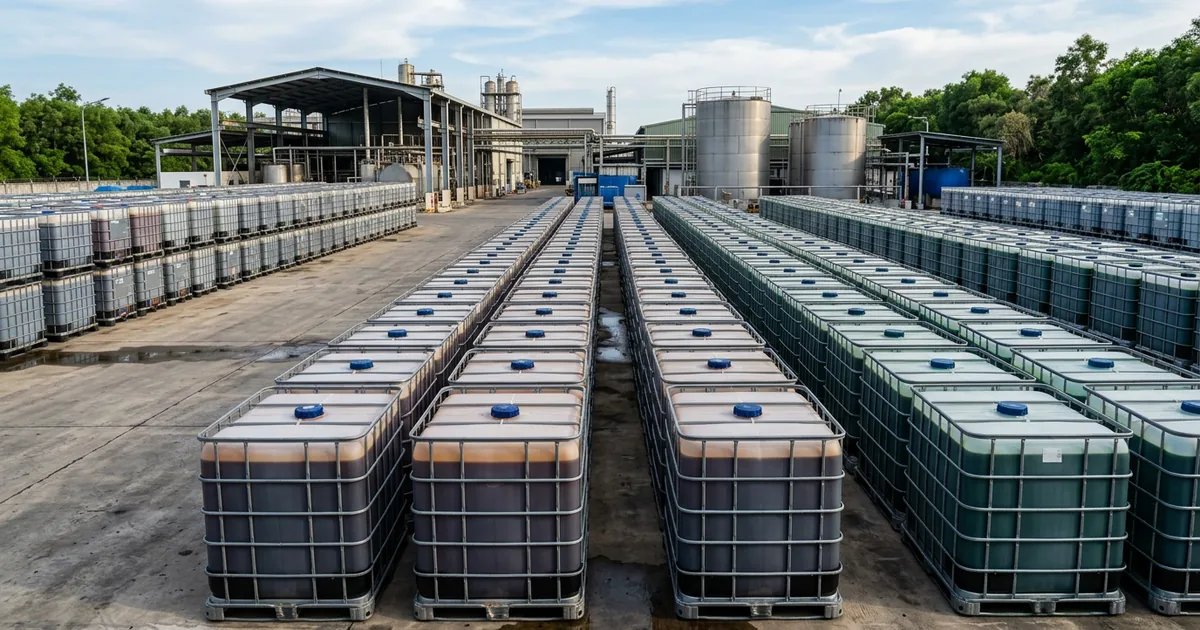
1. Anaerobic Sulfate Reduction, pH-Dependent H₂S Stripping & Concrete Crown Corrosion (MIC)
Industrial wastewaters discharged from reactive textile dyeing (containing high loads of Na₂SO₄ Glauber’s salt electrolyte), Kraft pulp and paper mills, leather tanneries, seafood processing facilities, tapioca starch refineries, and natural rubber latex plants typically contain 300 mg/L to over 2,500 mg/L of dissolved Sulfate ions (SO₄²⁻). When these streams flow through long pressurized force mains, deep wet-well lift stations, or inadequately aerated equalization basins where Dissolved Oxygen is depleted (DO ≤ 0.2 mg/L) and Oxidation-Reduction Potential drops into deep anaerobic regimes (ORP ≤ -150 mV), obligate anaerobic Sulfate-Reducing Bacteria (SRB — predominantly Desulfovibrio species) utilize SO₄²⁻ as a terminal electron acceptor to oxidize biodegradable organic matter and generate total dissolved sulfide (S²⁻, HS⁻, H₂S):
- Anaerobic Biological Sulfate Reduction (SRB Pathway):
SO₄²⁻ + 2CH₂O + 2H⁺ → H₂S (aq) + 2CO₂ + 2H₂O
pH-Dependent Aqueous Dissociation Equilibrium & Toxicological Thresholds of H₂S Gas
Within the aqueous phase, dissolved hydrogen sulfide behaves as a weak diprotic acid governed by its first dissociation constant pKa1 ≈ 7.0 (at 25 °C):
- Aqueous Acid–Base Equilibrium:
H₂S (dissolved gas) ⇌ H⁺ + HS⁻ (bisulfide ion)(pKa1 = 7.0) - At
pH = 6.0: Up to91%of total dissolved sulfide exists as un-ionized, volatile molecularH₂Sgas that rapidly strips into the gas phase whenever hydraulic turbulence occurs at drop manholes, pump discharge headers, or overflow weirs. - At
pH = 7.0: Exactly50%exists as volatile molecularH₂Sgas and50%remains as non-volatile bisulfide ions (HS⁻). - At
pH = 8.5: Less than3%remains as volatileH₂Sgas (97%stays locked in solution as non-volatileHS⁻).
Once H₂S gas strips out of the liquid stream and condenses onto damp concrete sewer crowns and enclosed sump ceilings, aerobic sulfur-oxidizing bacteria (Acidithiobacillus thiooxidans) colonize the concrete surface and biologically oxidize H₂S into concentrated biogenic Sulfuric Acid (H₂SO₄), driving surface pH down to 1.0–2.0. This acid attacks calcium hydroxide (Ca(OH)₂) and calcium silicate hydrate (C-S-H) phases in Portland cement to form expansive Gypsum (CaSO₄·2H₂O) and Ettringite (3CaO·Al₂O₃·3CaSO₄·32H₂O), which swell 2–7× in volume, spalling the concrete cover and severing structural steel reinforcement.
Airborne H₂S Concentration (ppm) | Human Physiological & Occupational Safety Impact (OSHA / NIOSH) | Concrete Sewer Crown Corrosion Rate (Biogenic H₂SO₄ Attack) |
|---|---|---|
0.01 – 0.3 ppm | Odor detection threshold (characteristic rotten-egg smell triggering fence-line community complaints). | Negligible structural deterioration; initial moisture condensation on crown. |
10 – 20 ppm | Occupational exposure ceiling (OSHA PEL Ceiling = 20 ppm; NIOSH REL = 10 ppm). Causes painful eye conjunctivitis (“gas eye”) and bronchial irritation. | Thiobacillus bacteria colonize damp concrete crown surfaces and initiate acid biofilm formation. |
50 – 100 ppm | Causes Olfactory Fatigue (complete paralysis of the olfactory nerve) within 3–15 minutes—workers falsely believe the toxic gas has dissipated! | Concrete crown surface pH drops to 1.5–2.2; structural cement mortar erodes at 2–4 mm/year. |
300 – 500 ppm | Immediately Dangerous to Life or Health (NIOSH IDLH = 100 ppm); triggers acute pulmonary edema and cellular asphyxiation within 30 minutes. | Cement paste converts into non-structural Gypsum mush (CaSO₄·2H₂O), exposing and corroding rebar. |
≥ 700 – 1,000 ppm | Instantaneous unconsciousness (“Knockdown Effect”) after 1–2 breaths; acute respiratory arrest and death without positive-pressure SCBA. | Catastrophic collapse of manhole slabs, rapid pitting of cast-iron pump shafts, and sulfidation failure of copper busbars in control panels. |
2. Sulfide Precipitation Mechanism by FeCl₂ 30% & Catalytic Oxidation by H₂O₂ 50%
2.1. Instantaneous Sulfide Locking with Ferrous Chloride (FeCl₂ 30%)
When liquid Ferrous Chloride (FeCl₂ 30%) is dosed into sulfide-bearing industrial wastewater, divalent ferrous cations (Fe²⁺) react instantaneously with dissolved HS⁻ and S²⁻ ions to form an insoluble black precipitate of Ferrous Sulfide (FeS) characterized by an ultra-low solubility product (Ksp = 6.3 × 10⁻¹⁸ at 25 °C):
- Molecular Reaction Equation:
FeCl₂ + H₂S → FeS (precipitate ↓) + 2HCl - Net Ionic Reaction Equation:
Fe²⁺ + HS⁻ → FeS (precipitate ↓) + H⁺
Because of its extremely low solubility product Ksp, within 10–30 seconds of hydraulic mixing at the pump suction header, dissolved free H₂S in the aqueous phase is driven below 0.05 mg/L, completely eliminating H₂S vapor pressure above the wastewater surface. Furthermore, when trace trivalent ferric ions (Fe³⁺, or co-dosed Ferric Chloride FeCl₃ 38%–40%) are present in the stream, Fe³⁺ oxidizes dissolved sulfide into colloidal elemental sulfur (S⁰↓) while being reduced to Fe²⁺ (2Fe³⁺ + H₂S → 2Fe²⁺ + S⁰↓ + 2H⁺), and the resulting Fe²⁺ immediately captures a second HS⁻ molecule (Fe²⁺ + HS⁻ → FeS↓ + H⁺), maximizing sulfide removal efficiency per kilogram of iron salt dosed.
2.2. Polishing Oxidation & Catalytic Iron Regeneration with Hydrogen Peroxide (H₂O₂ 50%)
At the terminal discharge of long force mains entering the equalization tank—or whenever shock odor loads must be abated without generating additional chemical sludge—Industrial Hydrogen Peroxide (H₂O₂ 50%) is injected as a secondary polishing oxidant. Depending on the wastewater pH, H₂O₂ oxidizes sulfide via two distinct reaction pathways:
- In Neutral to Slightly Acidic Regimes (
pH = 6.0 – 7.8):H₂O₂selectively oxidizes dissolvedH₂Sinto inert colloidal elemental sulfur (S⁰↓) and water at a highly economical stoichiometric ratio (1.06 kg of 100% H₂O₂ per 1 kg H₂S):H₂S + H₂O₂ → S⁰ (fine colloidal precipitate ↓) + 2H₂O
- In Alkaline Regimes (
pH ≥ 8.0 – 9.0):H₂O₂oxidizesHS⁻andS²⁻ions completely into fully soluble Sulfate ions (SO₄²⁻), producing zero suspended solids:S²⁻ + 4H₂O₂ → SO₄²⁻ (soluble) + 4H₂O
Crucially, in a synergistic two-stage FeCl₂ 30% + H₂O₂ 50% program, residual Fe²⁺ ions act as a homogeneous catalyst that accelerates the reaction rate of H₂O₂ with H₂S by 5–10× (completing oxidation within 2–5 minutes instead of 20–30 minutes). Simultaneously, H₂O₂ re-oxidizes upstream FeS precipitates to regenerate active Fe²⁺ / Fe³⁺ ions for another cycle of sulfide binding, slashing total operating chemical expenditure and iron sludge generation by 30–40%.
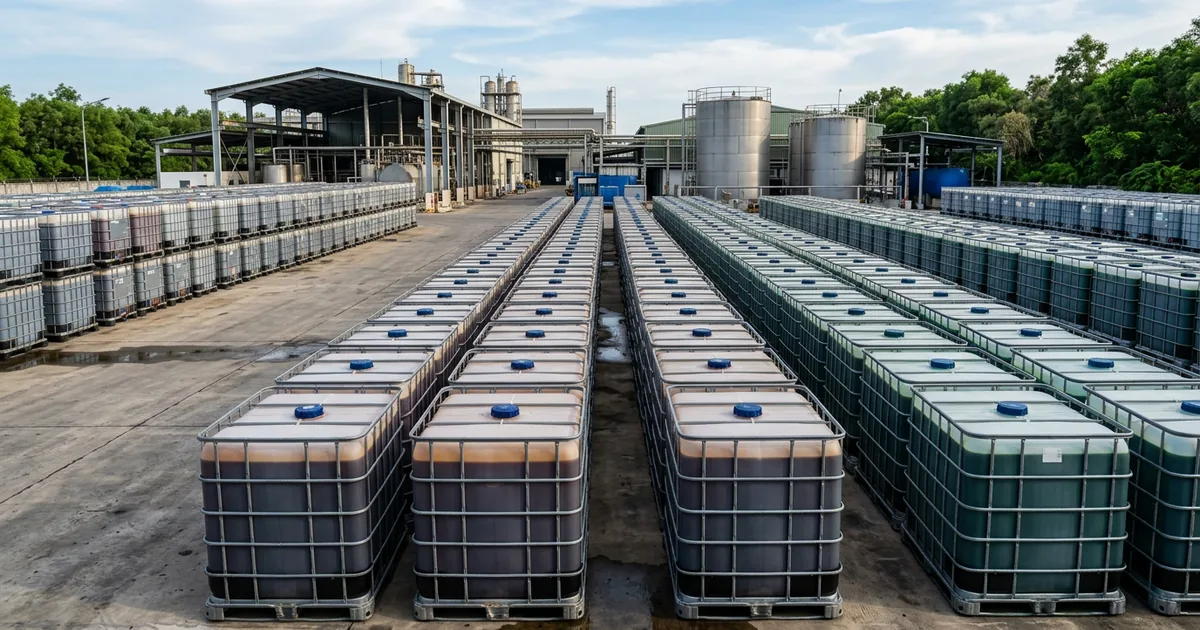
3. Dosing Rate Matrix for FeCl₂ 30% & H₂O₂ 50% by Sulfide Load
Table 2: Technical & Economic Comparison of H₂S Abatement Regimes in Industrial Wastewater
| Technical Evaluation Criterion | Ferrous Chloride Standalone (FeCl₂ 30%) | Hydrogen Peroxide Standalone (H₂O₂ 50%) | Synergistic Dual System (FeCl₂ 30% + H₂O₂ 50%) |
|---|---|---|---|
| Primary Reaction Mechanism | Selective sulfide precipitation (FeS ↓) | Direct oxidation to S⁰ or SO₄²⁻ | Upstream sulfide locking + Downstream catalytic oxidation & iron regeneration |
| Required Hydraulic Reaction Time | Instantaneous (≤ 10 – 30 seconds) | 15 – 30 minutes (uncatalyzed) | Ultra-fast (≤ 1 – 3 minutes) |
Theoretical 100% Pure Basis per 1 kg S²⁻ | 3.96 kg FeCl₂ (100% pure) | 1.06 kg H₂O₂ (100% pure) (at pH 7) | 2.2 kg FeCl₂ (100%) + 0.6 kg H₂O₂ (100%) |
Practical Commercial Dosage per 1 kg S²⁻ (with safety factor) | 15.0 – 18.5 kg FeCl₂ 30% (11.7 – 14.4 L) | 2.6 – 3.5 kg H₂O₂ 50% (2.2 – 2.9 L) | 8.5 kg FeCl₂ 30% + 1.4 kg H₂O₂ 50% |
| Optimal Process Injection Point | Force main inlet sump, intermediate transfer lift stations | Equalization basin inlet, flash-mix channel ahead of DAF / Aerotank | FeCl₂ 30% at upstream lift station + H₂O₂ 50% ahead of equalization tank |
| Co-Benefits for Downstream WWTP | Acts as coagulant aid for dye color, Phosphate (PO₄³⁻), and 25–35% COD removal in primary clarifier | Elevates Dissolved Oxygen (DO), suppresses anaerobic floating sludge without adding TDS salinity | Achieves ≥ 99% odor abatement, reduces iron sludge by 35%, and protects aerobic biomass |
Illustrative Engineering Calculation: H₂S Odor Abatement for a 3,000 m³/day Wastewater Treatment Plant
Technical Illustration (Reference Engineering Model — Actual field dosages must be verified via laboratory Jar-test trials): An integrated packaging paper and textile dyeing facility operates a central WWTP with a daily flow rate of
Q = 3,000 m³/day(125 m³/h). Because raw effluent is retained for4 hoursinside underground collection sewers and wet wells, dissolved sulfide at the equalization tank inlet reachesC(S²⁻) = 28 mg/L(28 g/m³), releasing85 ppmof airborneH₂Sgas above the sump.
- Total Daily Mass Load of Dissolved Sulfide:
M(S²⁻) = 3,000 m³/day × 0.028 kg/m³ = 84.0 kg S²⁻/day(3.50 kg/h).- Option 1 — Standalone
FeCl₂ 30%Dosing (specific gravity d = 1.28 kg/Lat20 °C) at the Collection Lift Station:
- Commercial
FeCl₂ 30%required (applying a design factor of16.0 kg FeCl₂ 30% / kg S²⁻):M(FeCl₂ 30%) = 84.0 × 16.0 = 1,344 kg/day(Metering pump flow rate:43.75 L/h).- Option 2 — Synergistic Dual Dosing (
FeCl₂ 30%at Lift Station +H₂O₂ 50%Ahead of Equalization Basin):
- Primary
FeCl₂ 30%dose at8.5 kg / kg S²⁻:84.0 × 8.5 = 714 kg FeCl₂ 30%/day(23.2 L/h).- Secondary polishing
H₂O₂ 50%dose (d = 1.196 kg/Lat20 °C) at1.4 kg / kg S²⁻:84.0 × 1.4 = 117.6 kg H₂O₂ 50%/day(4.10 L/h).- Verified Operational Performance: Dissolved sulfide exiting the equalization basin drops to
≤ 0.2 mg/L, and ambient airborneH₂Saround the basin falls from85 ppmto≤ 0.3 ppmwithin45 minutesof metering pump start-up.
Technical QC Insight — Specialist Vo Thi Nhu Hoa (Quality Control Lab — Loc Thien Chemical): “In industrial sewer and lift-station
H₂Sabatement projects, dosing Loc Thien’s directly manufacturedFeCl₂ 30%solution (SG = 1.29 – 1.33 g/cm³ at 20 °C, free acidHCl ≤ 1.5%,TÜV Rheinland ZDHC MRSL v3.1 Level 1 CSR #248162921-02) at the upstream force main immediately locks over90%of dissolved sulfide as stableFeS↓without sharp pH depression, cutting downstreamH₂O₂ 50%polishing demand by55%–65%.”
4. Safe Engineering Layout & Installation Guide for FeCl₂ 30% and H₂O₂ 50% Dosing Systems
- Chemical Storage Tank, Piping & Wetted Material Compatibility:
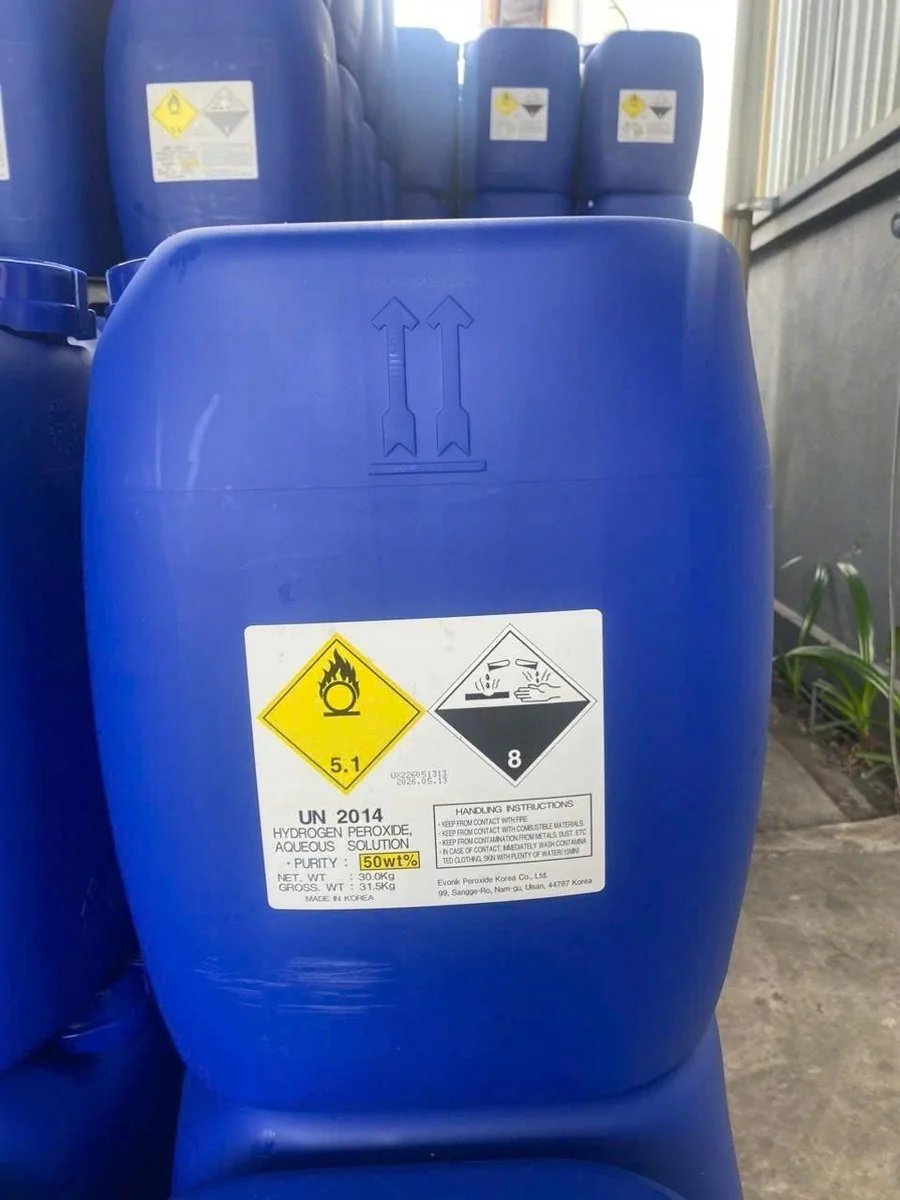
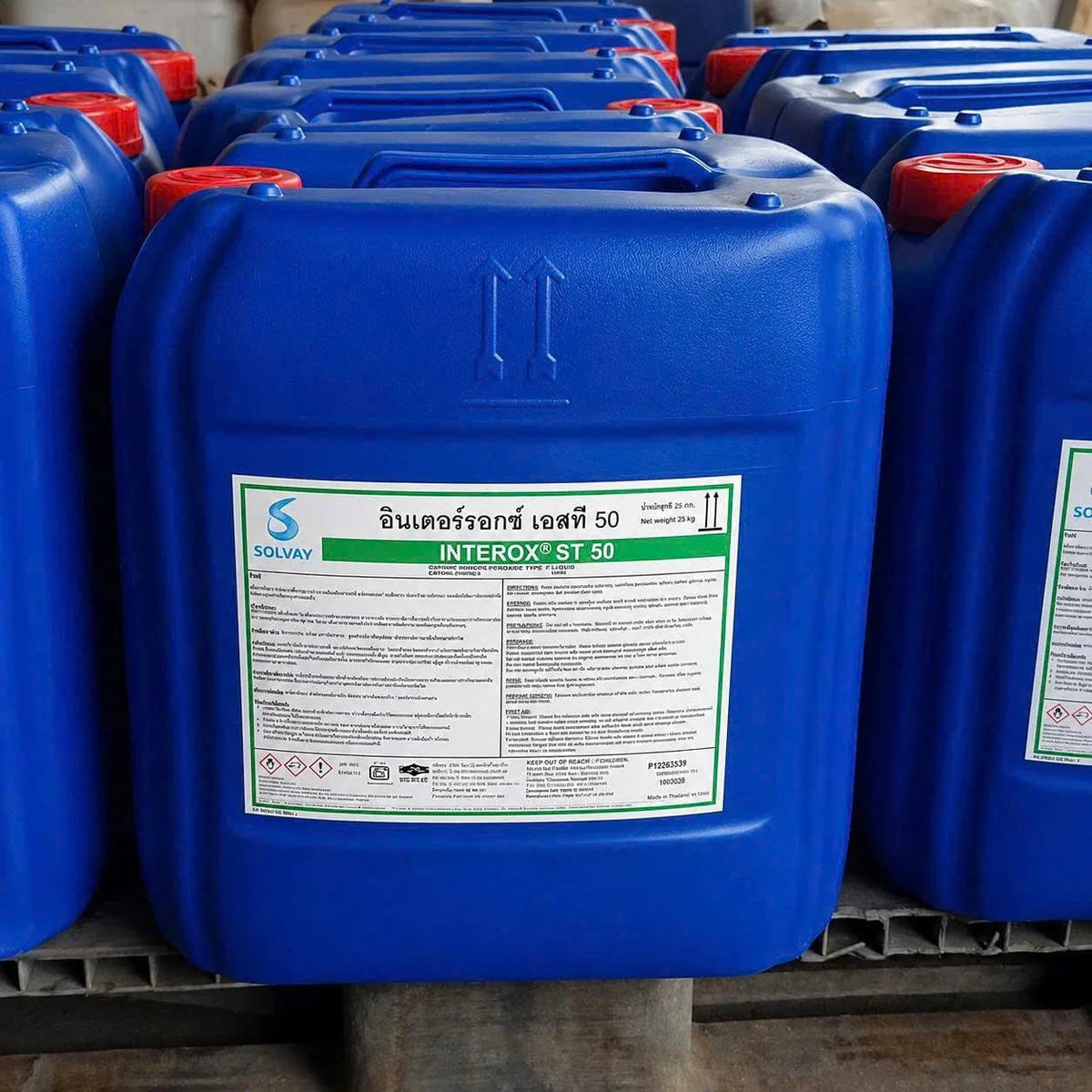
FeCl₂ 30%Solution (GHS Signal Word:Danger—H290, H302, H314, H318): BecauseFeCl₂ 30%is strongly acidic (pH = 1.0–2.0) and rich in chloride ions (Cl⁻), it causes rapid chloride pitting and stress-corrosion cracking in all austenitic stainless steels (SUS304 / SUS316). Storage tanks must be fabricated from cross-linked HDPE, PP, or vinyl-ester FRP composite, paired with Schedule 80 uPVC / CPVC / PVDF dosing lines and PTFE (Teflon) diaphragm metering pumps fitted with PVC or PVDF liquid ends and Viton/EPDM seals.H₂O₂ 50%Solution (GHS Signal Word:Danger—H272, H302, H314, H318, H335): High-strength hydrogen peroxide is a powerful oxidizer that undergoes rapid exothermic decomposition into oxygen gas (O₂) if contaminated by transition metal ions (Fe, Cu, Mn, Cr) or rust particles. Storage tanks must use virgin high-density polyethylene (HDPE) or passivated 99.5% pure Aluminum / passivated SUS316L, equipped with a pressure-relief breather vent cap (Vent Cap) and a metering pump featuring an automatic degassing valve head (Auto-Degassing Valve Head) to prevent vapor lock in the suction line.
- Strict Hydraulic Separation Between Dual Injection Points (Zero Direct Mixing Rule):
- Strictly NEVER mix concentrated
FeCl₂ 30%andH₂O₂ 50%inside the same storage tank, day tank, or common injection manifold! ConcentratedFe²⁺ions instantaneously trigger a violent, boiling exothermic Fenton reaction that decomposesH₂O₂into high-pressure steam and oxygen gas, rupturing pipes and tanks immediately. - The two reagents must be stored in two physically segregated containment bunds and injected into the wastewater flow at two separate hydraulic points spaced at least
10–30 metersof pipeline apart (or separated by15–45 minutesof Hydraulic Retention TimeHRT: injectFeCl₂ 30%at the upstream collection wet well and injectH₂O₂ 50%at the terminal discharge entering the equalization tank) after the primary reagent has been diluted thousands-fold by the wastewater stream.
- Strictly NEVER mix concentrated
- Multi-Department Decision & Compliance Guide (Procurement / Process & EHS Engineers / Accounting):
- For Global Procurement Teams: Loc Thien Chemical is the Direct Manufacturer of
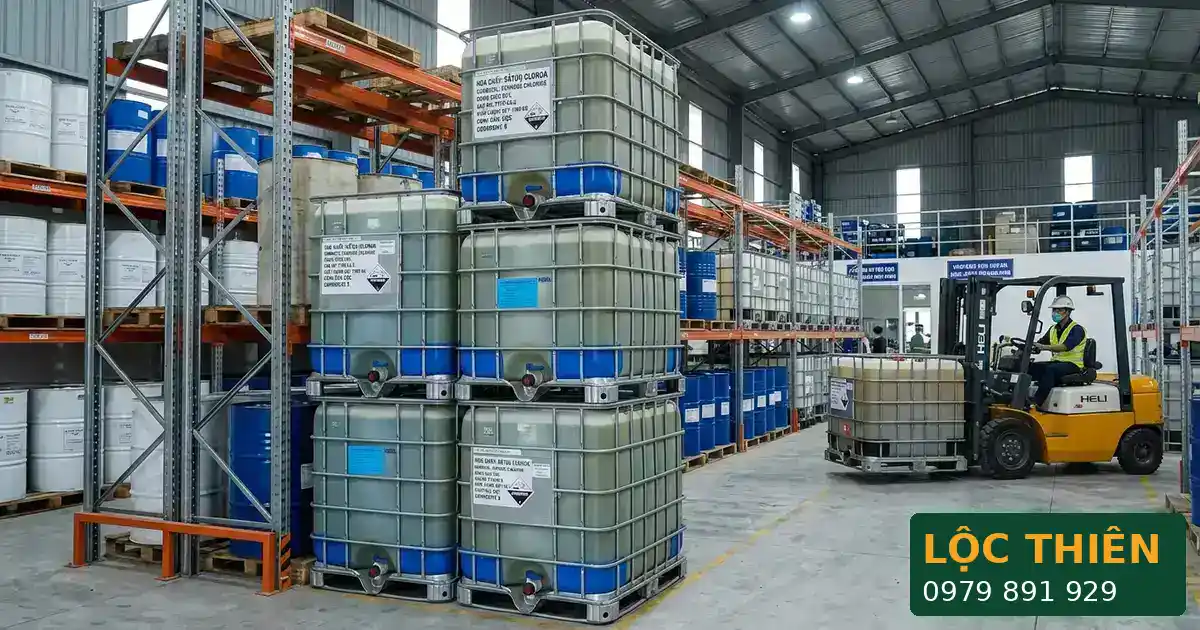
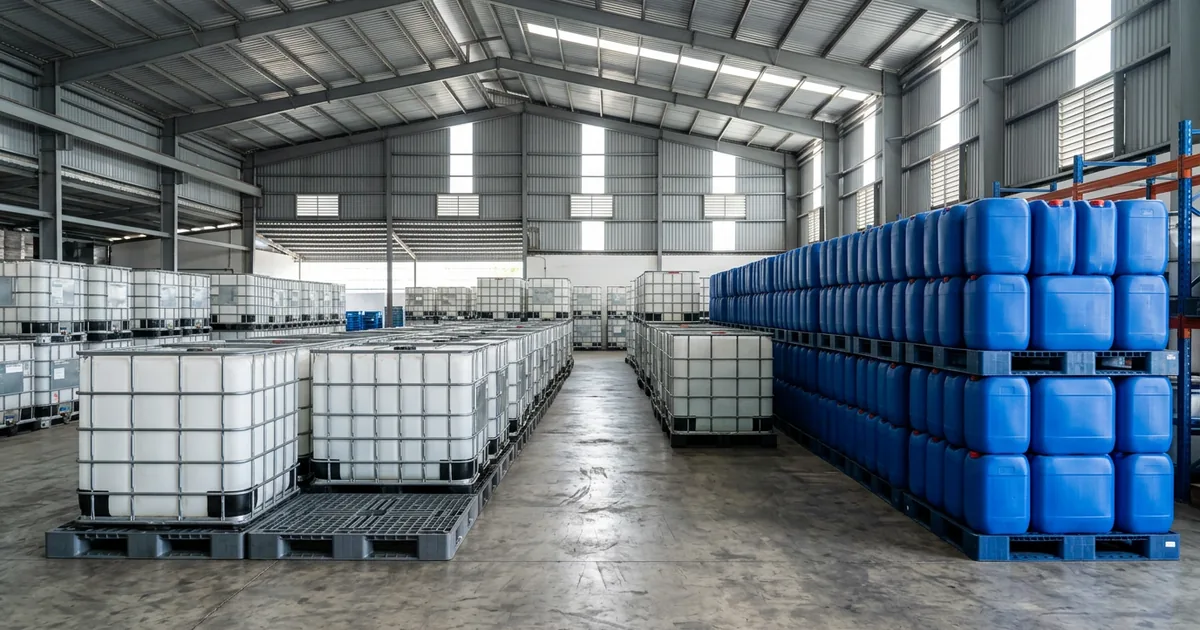
FeCl₂ 30%certified toZDHC MRSL v3.1 Conformance Level 1(TÜV Rheinland CSR No. 248162921-02&Analytical Test Report No. 248162921-02a) and a Tier-1 Industrial Bulk Supplier ofH₂O₂ 50%certified toZDHC MRSL v3.1 Conformance Level 1(TÜV SÜD Certificate No. ZDHC1 127736 0002 Rev. 00|Report No. 2486017673-Q24VPS-CHM2869). With a monthly supply capacity of3,000+ tons/month, we deliver in30 kg/35 kgjerrycans,1,000 L IBC totes, and dedicated5–30-toncorrosion-resistant tankers from 6 regional warehouses across Vietnam (Ho Chi Minh City inner-city delivery within4 hours; Southern & Mekong Delta industrial zones within24–48 hours; Northern & Central Vietnam within2–3 days; contact hotline0979 891 929for detailed delivery scheduling and receive a technical quotation within 15 minutes). - For Process & EHS Engineers: Every shipment includes a batch-specific COA (reporting
% w/wassay, specific gravity at20 °C, and heavy metal trace profile perLaw on Chemicals No. 69/2025/QH15) and a 16-section GHS Safety Data Sheet (SDS). - For Accounting & Tax Compliance: Full legal commercial contracts, delivery receipts, and Vietnamese Electronic VAT Invoices (
e-VAT Invoicecompliant withDecree 70/2025/ND-CPand the2024 Law on Value-Added Tax) for seamless corporate tax deduction.
- For Global Procurement Teams: Loc Thien Chemical is the Direct Manufacturer of
Extended Engineering Application (Swine Biogas Digester
H₂SRemoval & Gas Engine Protection): Unlike municipal sewer networks, raw biogas inside covered HDPE swine digesters contains3,000–4,000 ppm H₂Sthat rapidly corrodes CHP gas generators. Read our specialized guide on Biogas H₂S Removal in Swine Digesters Using Ferrous Chloride (FeCl₂ 30%): Sulfur Load Stoichiometry & Why FeSO₄ Is Prohibited.
5. Frequently Asked Questions on H₂S Odor & Sewer Corrosion Control Using FeCl₂ 30% & H₂O₂ 50% (FAQ)
1. Why is Ferrous Chloride (FeCl₂ 30%) more stoichiometrically efficient than ferric salts (Fe³⁺) for anaerobic H₂S precipitation?
In aqueous anaerobic wastewater (ORP < -100 mV), divalent ferrous ions (Fe²⁺) from FeCl₂ 30% react directly with dissolved bisulfide at a 1 : 1 molar ratio (Fe²⁺ + HS⁻ → FeS↓ + H⁺), requiring only 2.21 kg pure FeCl₂ per kg H₂S. By contrast, when trivalent ferric ions (Fe³⁺) are dosed, two-thirds of the Fe³⁺ is first consumed in a redox reaction oxidizing sulfide into colloidal elemental sulfur (2Fe³⁺ + H₂S → 2Fe²⁺ + S⁰↓ + 2H⁺) before precipitating FeS↓, increasing total molar iron consumption by 1.5× compared to direct FeCl₂ 30% dosing.
2. Why must FeCl₂ 30% and H₂O₂ 50% never be injected at the exact same point in a force main?
Co-injecting Fe²⁺ and H₂O₂ at the same point triggers the catalytic Fenton reaction (Fe²⁺ + H₂O₂ → Fe³⁺ + •OH + OH⁻), rapidly decomposing peroxide and generating oxygen gas pockets. Best engineering practice injects FeCl₂ 30% at the upstream lift station for long-distance sulfide binding, and injects H₂O₂ 50% 15–45 minutes HRT upstream of the discharge point for rapid polishing.
3. How do operators prevent residual iron from exceeding the Total Fe ≤ 2.0 mg/L limit (Column A, QCVN 40:2025/BTNMT)?
By dosing 2.3 – 3.0 L of FeCl₂ 30% per 1 kg of dissolved sulfide and maintaining pH 7.2 – 8.0 in the downstream primary clarifier or DAF unit with PAC 31% and anionic polymer flocculation, FeS↓ and oxidized Fe(OH)₃↓ settle completely into the sludge blanket, keeping effluent Total Fe < 1.0 mg/L.
Related Technical Resources & Products
- Specialized Category: Industrial Wastewater Treatment Chemicals
- Primary Product Pages: Ferrous Chloride FeCl₂ 30% (Direct Manufacturer) | Industrial Hydrogen Peroxide H₂O₂ 50%
- GHS 16-Section Safety Data Sheets (MSDS): MSDS Ferrous Chloride FeCl₂ 30% | MSDS Hydrogen Peroxide H₂O₂ 35%–50%
- Engineering Dosing Calculator: Online Wastewater Chemical Dosing Calculator
- In-Depth Technical Cluster Articles: Textile Dyeing Wastewater Treatment Compliant with ZDHC MRSL Using FeCl₂ 30% | Optimizing H₂O₂ / Fe²⁺ Molar Ratios in Advanced Fenton Oxidation | Sodium Hypochlorite (NaOCl) Concentration Chart & Active Chlorine (ppm) Conversion
- 15-Minute Technical Quotation & RFQ: Request a Batch COA & B2B Quote for FeCl₂ 30% and H₂O₂ 50%