
Textile Dyeing Wastewater Treatment Meeting ZDHC MRSL v3.1 using Loc Thien FeCl₂
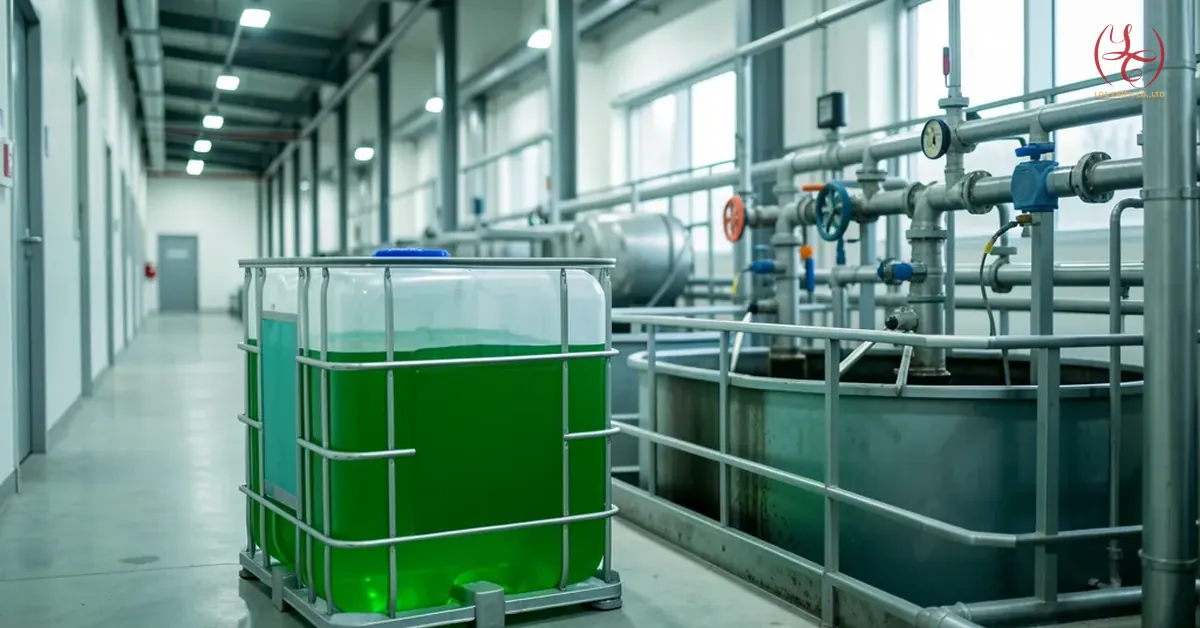
ZDHC MRSL v3.1 (Zero Discharge of Hazardous Chemicals) compliant textile dyeing wastewater treatment technology utilizing an advanced Fenton oxidation system with Ferrous Chloride (FeCl₂, Ferrous Chloride solution directly manufactured by Loc Thien Chemical, certified by TÜV Rheinland Test Report #248162921-02a), combined with Hydrogen Peroxide (H₂O₂) and Polymer Anion A1110, achieves superior color removal efficiency exceeding 98% and reduces COD from 1,200 mg/L to below 75 mg/L, meeting Column A standards of Vietnam QCVN 40:2025/BTNMT. This solution empowers FDI textile dyeing enterprises in Vietnam to pass stringent global fashion brand environmental audits (Nike, Adidas, H&M, Uniqlo, Zara), while generating 35–42% less chemical sludge compared to traditional ferrous sulfate coagulation. Loc Thien's dedicated fleet of 5–30-ton tankers delivers directly into factory chemical storage tanks, with commercial quotation response within 15 minutes via Hotline: 0979 891 929.
1. Stringent Environmental Audit Pressures Under ZDHC MRSL v3.1
The textile dyeing and garment finishing industry in Vietnam is navigating unprecedented environmental compliance standards. Effluent generated from scouring, bleaching, reactive dyeing, disperse dyeing, and printing processes is notoriously recalcitrant:
- Intense Color (500–2,000 Pt-Co): High concentrations of synthetic azo dyes (-N=N- linkages), anthraquinone, and heterocyclic rings exhibit extreme chemical stability, rendering conventional biological aeration basins largely ineffective.
- High Organic Load Fluctuation (COD 800–2,500 mg/L): Polyvinyl alcohol (PVA), sizing starch, wetting agents, and leveling surfactants introduce severe shock loads to biological systems.
- ZDHC MRSL v3.1 Compliance Gate: Global textile brands strictly ban intentional addition and trace contamination of hazardous heavy metals (As, Cd, Pb, Cr⁶⁺, Hg, Ni), alkylphenol ethoxylates (APEOs), phthalates, and adsorbable organic halogens (AOX) across chemical formulations.
Commercial coagulants of dubious origin or unrefined copperas ferrous sulfate frequently contain unacceptable heavy metal impurities, triggering audit failures on the ZDHC Gateway platform and risking international shipment cancellations.
2. Reaction Kinetics & Advanced Fenton Mechanism with Loc Thien FeCl₂
In advanced Fenton oxidation, ferrous ions (Fe²⁺) from directly manufactured FeCl₂ solution serve as a homogeneous catalyst, decomposing hydrogen peroxide (H₂O₂) to generate hydroxyl free radicals (·OH), possessing a standard oxidation potential of E⁰ = 2.80 V (surpassing chlorine 1.36 V and ozone 2.07 V):
The unique technological advantage of Loc Thien Ferrous Chloride (FeCl₂) stems from the chloride anion (Cl⁻), which has a smaller ionic radius and higher mobility than sulfate (SO₄²⁻). During alkaline neutralization, ferric ions polymerize into polynuclear hydroxo complexes that sweep suspended organics with remarkable velocity, aided by Polymer Anion A1110 to form dense, rapidly settling flocs.
3. Technical Data Sheet (TDS) & TÜV Rheinland ZDHC Test Certification
| Parameter | Loc Thien Specification | TÜV Rheinland Test Report | ZDHC MRSL v3.1 Threshold |
|---|---|---|---|
| Ferrous Chloride (FeCl₂) | ≥ 30.0% | 31.2% | Active Substance |
| Active Fe²⁺ Ion | ≥ 13.2% | 13.7% | Catalytic Species |
| Specific Gravity at 20°C | 1.28 - 1.35 g/cm³ | 1.31 g/cm³ | Homogeneous Liquid |
| Lead (Pb) | ≤ 10 mg/kg | Not Detected (< 0.1) | < 5.0 mg/kg (Pass) |
| Hexavalent Chromium (Cr⁶⁺) | ≤ 1 mg/kg | Not Detected (< 0.05) | < 1.0 mg/kg (Pass) |
| Alkylphenol Ethoxylates (APEOs) | Not Detected | Negative (< 0.5 mg/kg) | Strictly Forbidden |
| Delivery Logistics | Dedicated 5–30-ton Tankers (FRP/Rubber lined) with closed-loop offloading | ||
4. 6-Step SOP Jar-Test Protocol for Dosage Optimization
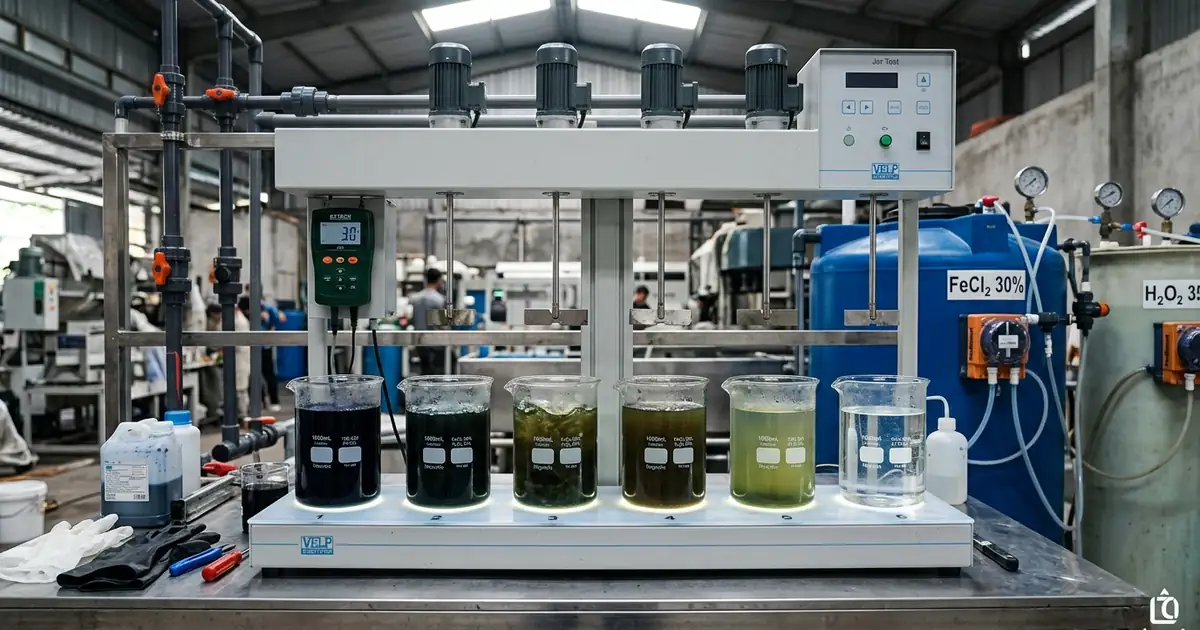
Before full-scale dosing, environmental engineers should establish optimum chemical parameters via a 6-paddle gang stirrer:
- Sample Preparation: Collect 1,000 mL composite equalization basin wastewater; record baseline Pt-Co color, COD, pH, and temperature.
- Primary pH Adjustment: Dose dilute acid to calibrate all 6 jars to exactly pH 3.2 ± 0.1.
- Staircase FeCl₂ Dosing: Micro-dose Loc Thien FeCl₂ 30% into jars at 200, 250, 300, 350, 400, and 450 ppm; rapid mix at 150 rpm for 60 seconds.
- Controlled H₂O₂ Injection: Inject 50% hydrogen peroxide at [Fe²⁺]:[H₂O₂] = 1:2.0; slow mix at 40 rpm for 30 minutes.
- Neutralization & Coagulation: Dose 10% NaOH to raise pH to 7.8 - 8.2; inject 1.5 ppm Polymer Anion A1110; gentle flocculation at 20 rpm for 60 seconds.
- Settling Assessment: Supernatant sampling at 5 cm depth. Engineers can utilize the Loc Thien Chemical Dosage Calculator to translate bench-scale data into plant-scale daily tanker demands.
5. Standard Operating Procedure (SOP) for Industrial Continuous Fenton Plants
Continuous industrial treatment (1,000 to 10,000 m³/day) is standardized across 5 synchronized stages:
- Stage 1 - Acidification: Automatic pH sensor feedback controls mineral acid dosing to maintain pH 3.0–3.5.
- Stage 2 - Advanced Fenton Reactor: Dual metering diaphragm pumps inject Loc Thien FeCl₂ 30% and H₂O₂ 50% into vortex baffled basins with 35–45 minutes retention time.
- Stage 3 - Alkaline Neutralization: Dosing Liquid Caustic Soda NaOH 32% raises pH to 7.5–8.2, precipitating ferric hydroxide floc blankets.
- Stage 4 - Polymer Flocculation: Dosing Polymer Anion A1110 (1.2–1.8 g/m³) agglomerates pin-point flocs into 3–5 mm macro-flocs. Explore our specialized guide on Polymer Anion and Cation Sludge Dewatering Synergy for cake moisture control.
- Stage 5 - Lamella Clarification & Dewatering: High-rate clarification separates crystal clear Column A effluent conforming to our full industrial wastewater chemical catalog.
6. B2B Case Study: 3,200 m³/day FDI Textile Dyeing Plant (Song Than IP)
Passing Global Brand Audits and Saving 210 Million VND/Month
- Initial Operational Challenge: Traditional alum and ferrous sulfate coagulation generated 12.5 wet tons of hazardous sludge daily, incurring disposal expenses exceeding 490 million VND/month, while effluent sulfate (SO₄²⁻) continuously exceeded IP discharge caps (>650 mg/L).
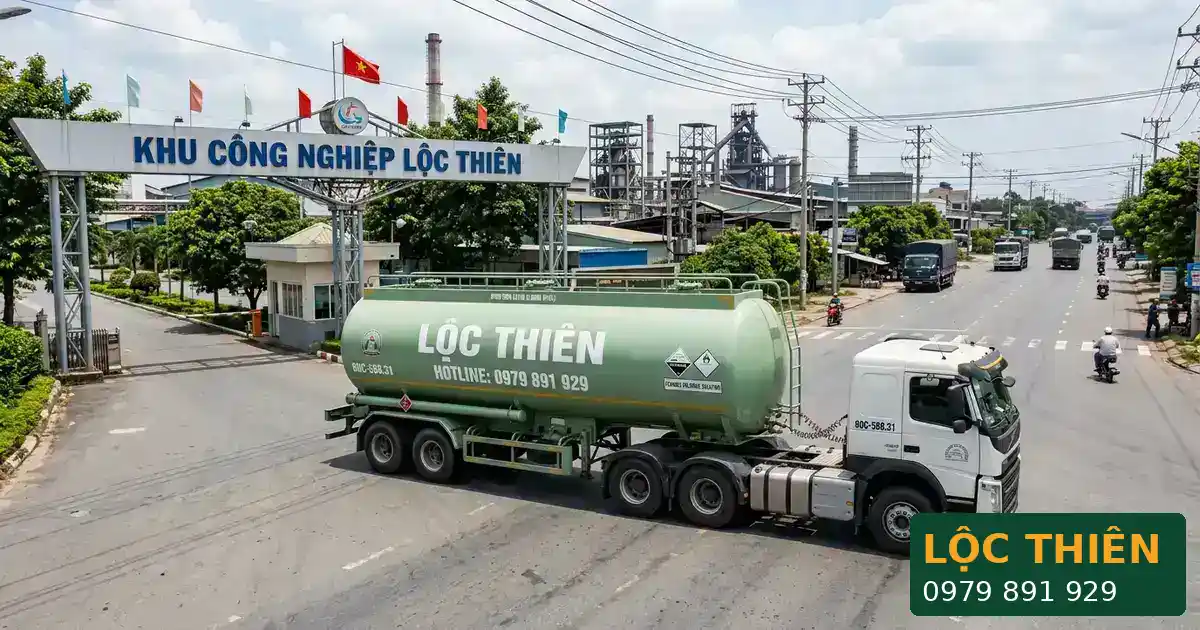
- Loc Thien Engineering Intervention: Upgraded to continuous FeCl₂ 30% directly manufactured by Loc Thien via 20-ton tankers, balanced Fenton ratio [Fe²⁺]:[H₂O₂] = 1:2.2, complemented by Polymer Anion A1110, backed by TÜV Rheinland ZDHC MRSL v3.1 dossiers.
- Verified 90-Day Results:
- Effluent color dropped from 920 Pt-Co to < 35 Pt-Co (Column A standard).
- COD reduced from 1,450 mg/L to 62 mg/L (95.7% overall destruction).
- Wet sludge fell from 12.5 to 7.2 tons/day (42.4% reduction), slashing direct hazardous waste disposal bills by 210 million VND/month.
- Effluent sulfate stabilized below 180 mg/L, clearing all IP environmental citations and securing ZDHC Level 3 brand audit approval.
7. Occupational Safety & Spill Response Protocol
- Personal Protective Equipment (PPE): Chemical splash goggles, acid-resistant nitrile gloves, rubber boots, and face shields during tanker offloading.
- Storage Metallurgy: Dedicated FRP composite tanks, HDPE, or rubber-lined steel. Never store in raw carbon steel, aluminum, or brass alloys.
- Spill Containment: Neutralize with hydrated lime Ca(OH)₂ or soda ash Na₂CO₃ before transferring waste slurry to the on-site wastewater plant.
8. Engineer Frequently Asked Questions (FAQ)
Is Loc Thien Chemical a direct manufacturer of FeCl₂?
YES, 100% DIRECT MANUFACTURER. Loc Thien Chemical manufactures Ferrous Chloride (FeCl₂) and Ferric Chloride (FeCl₃) at its production facilities with over 3,000 tons/month capacity, fully verified by TÜV Rheinland and Quatest 3 testing.
Why is FeCl₂ more economical than ferrous sulfate despite comparable raw chemical pricing?
Total Cost of Operation (TCO) includes hazardous sludge disposal. FeCl₂ reduces sludge generation by up to 42%, saving hundreds of millions of VND in hauling and incineration fees annually.
⚡ Request On-Site Jar-Test & ZDHC FeCl₂ Quotation (15-Minute Response)
Loc Thien Chemical provides free on-site jar-testing and engineering consulting at your plant.
- Technical Engineering Desk: 0979 891 929
- Official Commercial Tender Email: [email protected]
- Direct FDI Portal: Loc Thien Engineering & Sales Desk
- Complementary Sludge Solution: Polymer Dewatering Synergy Guide