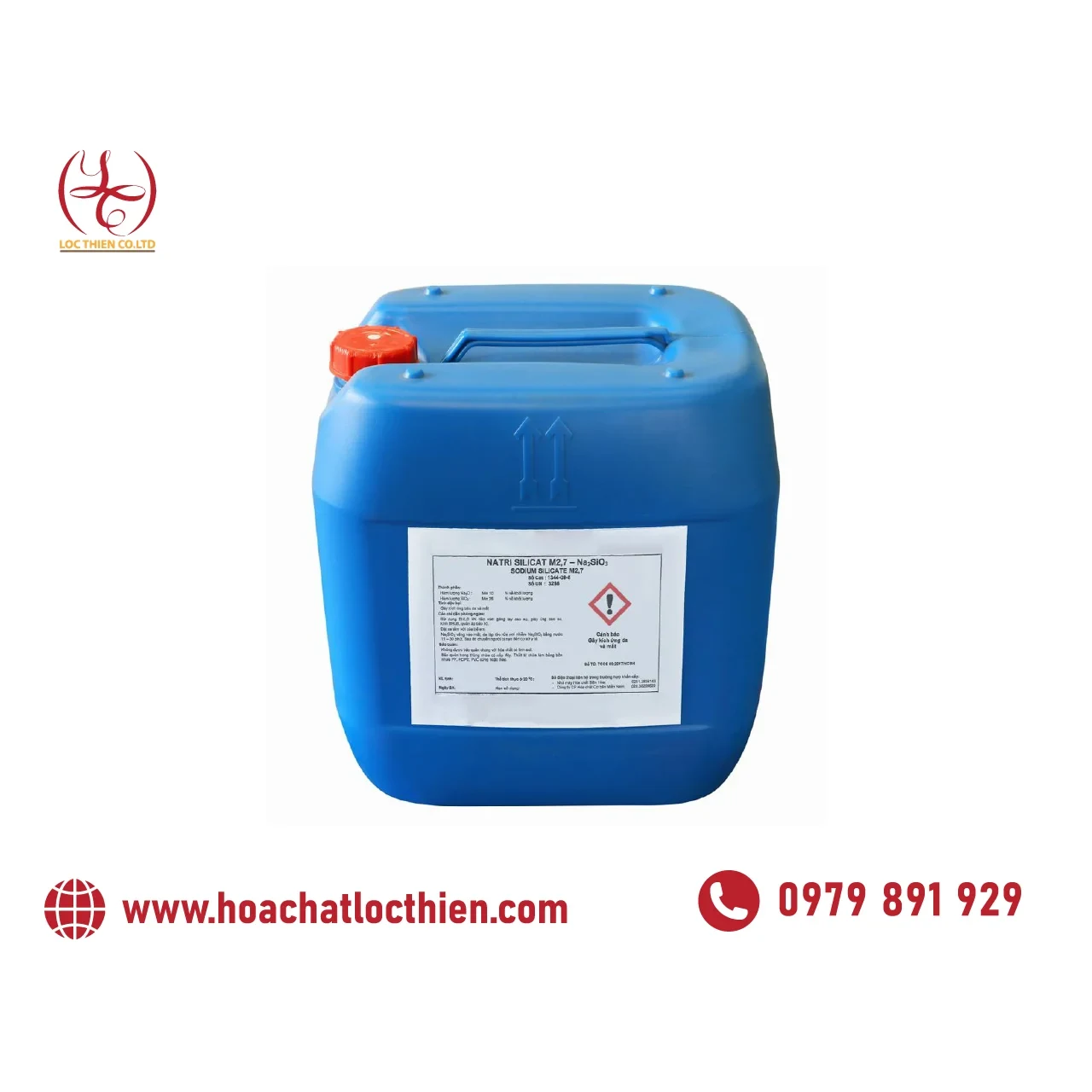
Liquid Sodium Silicate (Na2SiO3) as an H2O2 50% Stabilizer in Cotton Textile & Pulp Bleaching
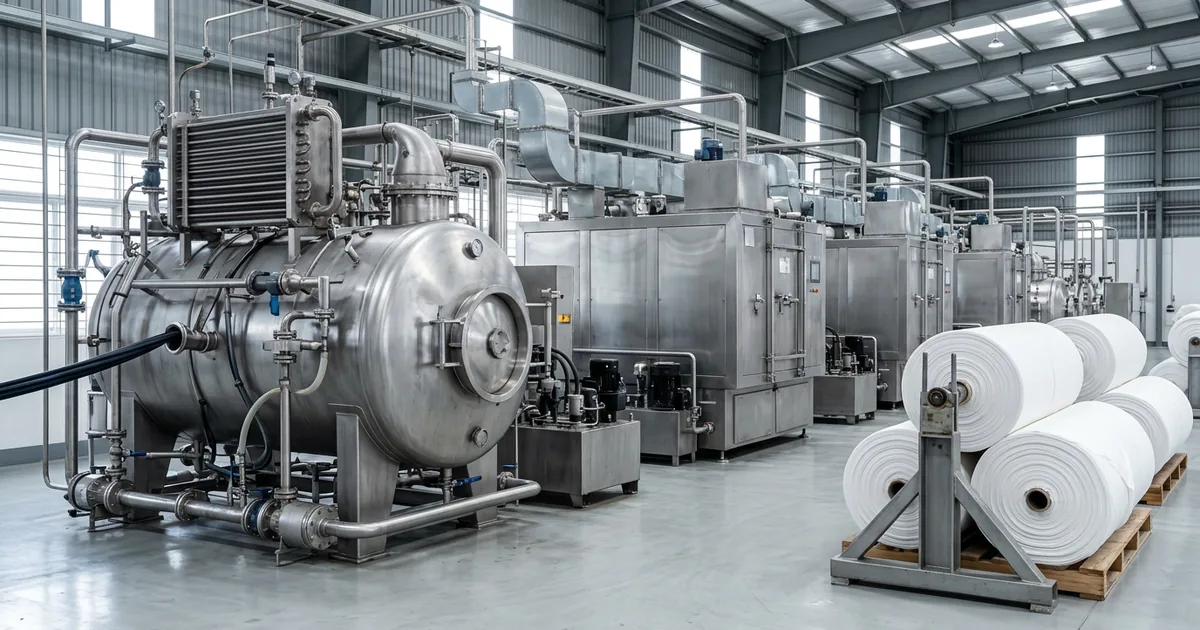
Key Technical Summary: In industrial alkaline scouring and bleaching of cotton textiles and paper pulp using 50% Hydrogen Peroxide (H2O2 50%) at pH 10.5–11.2 and 90–98 °C, the presence of just 0.5–2.0 ppm of free transition metal ions (Fe2+/Fe3+, Cu2+, Mn2+) in process water or greige cotton triggers Fenton-type radical catalysis, decomposing H2O2 into useless oxygen gas and generating hydroxyl radicals (•OH) that cleave cellulose chains to cause catalytic pinholes and severe tensile strength loss. Liquid Sodium Silicate (Water Glass Na2SiO3, 38–42 °Be, silica modulus M = SiO2/Na2O = 2.4–3.2) acts as an economical and highly effective inorganic peroxide stabilizer by forming colloidal magnesium-silicate micelles with Mg2+/Ca2+ ions to encapsulate metallic catalysts while buffering perhydroxyl anion (HO2-) generation to achieve CIE Whiteness Index ≥ 82–88.
Table of contents
In the industrial pre-treatment, scouring, and bleaching of cellulosic textiles (100% Cotton, CVC, T/C blends) and paper pulp using Industrial Hydrogen Peroxide H₂O₂ 50%, controlling the thermal decomposition rate of peroxide at 90–98 °C is the decisive factor governing optical whiteness (CIE Whiteness Index) and fiber mechanical integrity. Liquid Sodium Silicate Na₂SiO₃ (38–42 °Bé Water Glass) remains the industry-standard inorganic peroxide stabilizer: dosed at 2.0 – 5.0 g/L, Na₂SiO₃ forms a colloidal magnesium–silicate protective matrix that encapsulates and deactivates trace transition metal catalysts (Fe²⁺, Cu²⁺, Mn²⁺), completely eliminating free-radical pinhole defects (Pinholes) while reducing H₂O₂ 50% consumption by 20–30%.
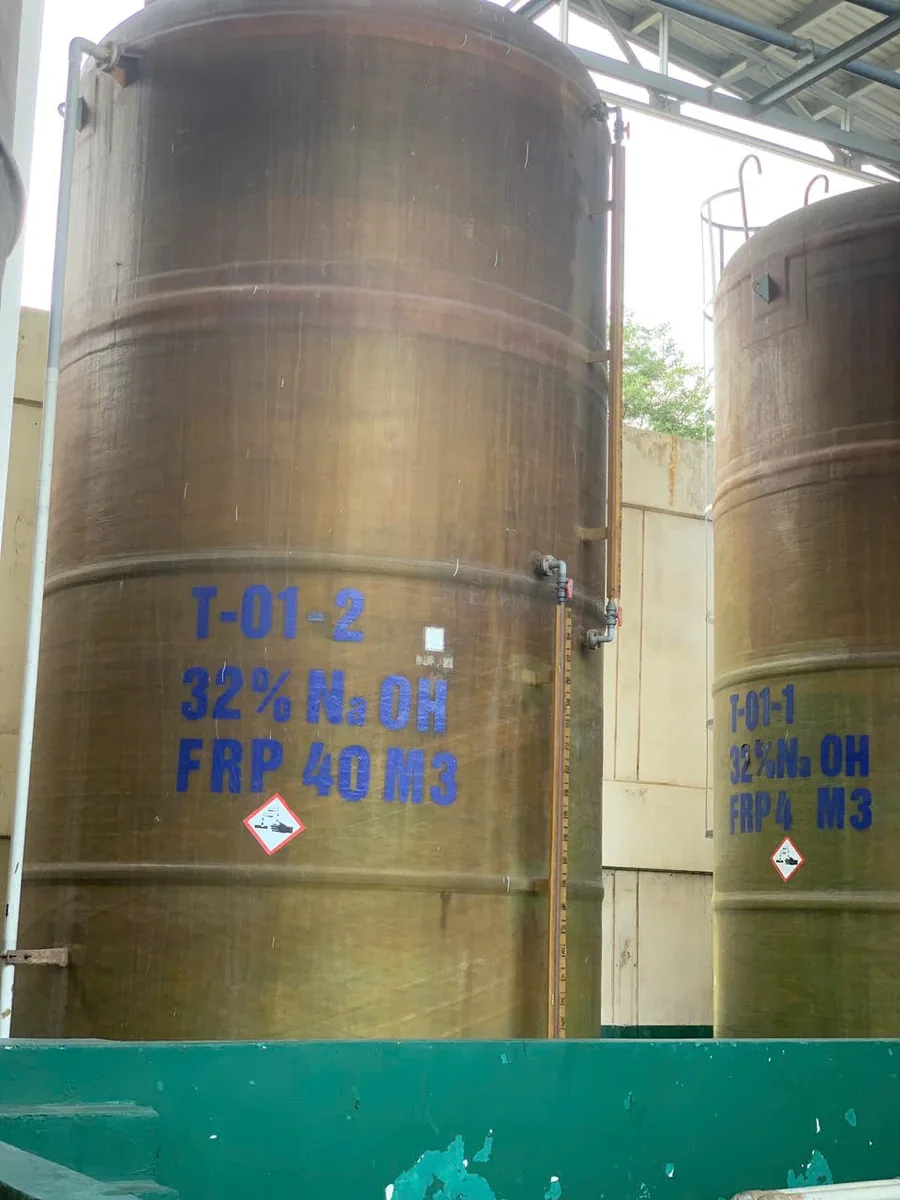
Loc Thien Chemical is a premier industrial chemical supplier providing high-purity Liquid Sodium Silicate Na₂SiO₃ (38–42 °Bé, Modulus M = 2.4–3.2), alongside TÜV SÜD ZDHC MRSL v3.1 Level 1 certified Industrial Hydrogen Peroxide H₂O₂ 50% (Certificate No. ZDHC1 127736 0002 Rev. 00 | Report No. 2486017673-Q24VPS-CHM2869) and Liquid Caustic Soda NaOH 32% / Caustic Soda Flakes NaOH 99% (Certificate No. ZDHC1 127736 0001 Rev. 00 | Report No. 2486017672-Q24VPS-CHM2869). (SSOT Compliance Note: Within Loc Thien Chemical’s textile chemical portfolio, H₂O₂ and NaOH are among the 9 core chemicals certified to ZDHC MRSL v3.1 Level 1; Liquid Sodium Silicate Na₂SiO₃ is supplied as a standard industrial inorganic auxiliary outside the ZDHC certification scope and is strictly verified via Batch COA for low trace iron Fe ≤ 50 ppm).
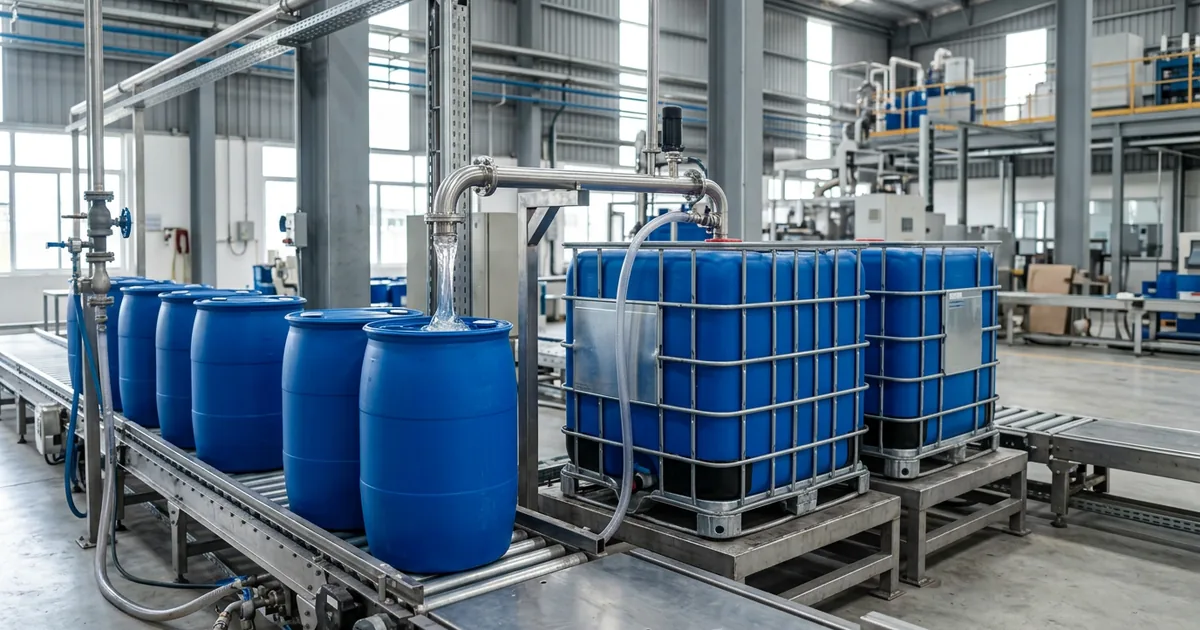
1. Alkaline Activation Kinetics of H₂O₂ & Catalytic “Pinhole” Fiber Damage from Heavy Metals
1.1. Ionization Equilibrium Generating the Active Perhydroxyl Anion (HO₂⁻)
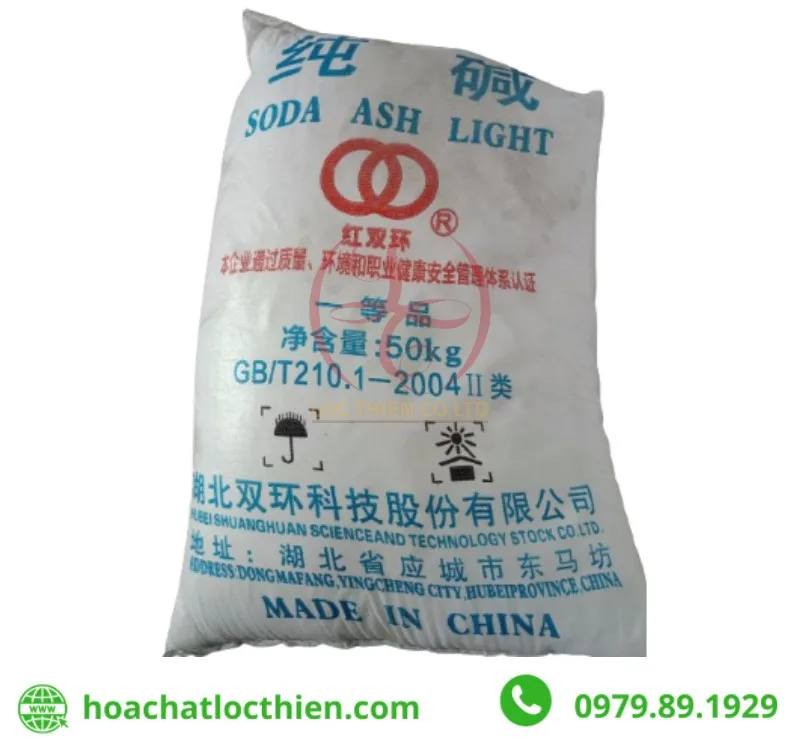
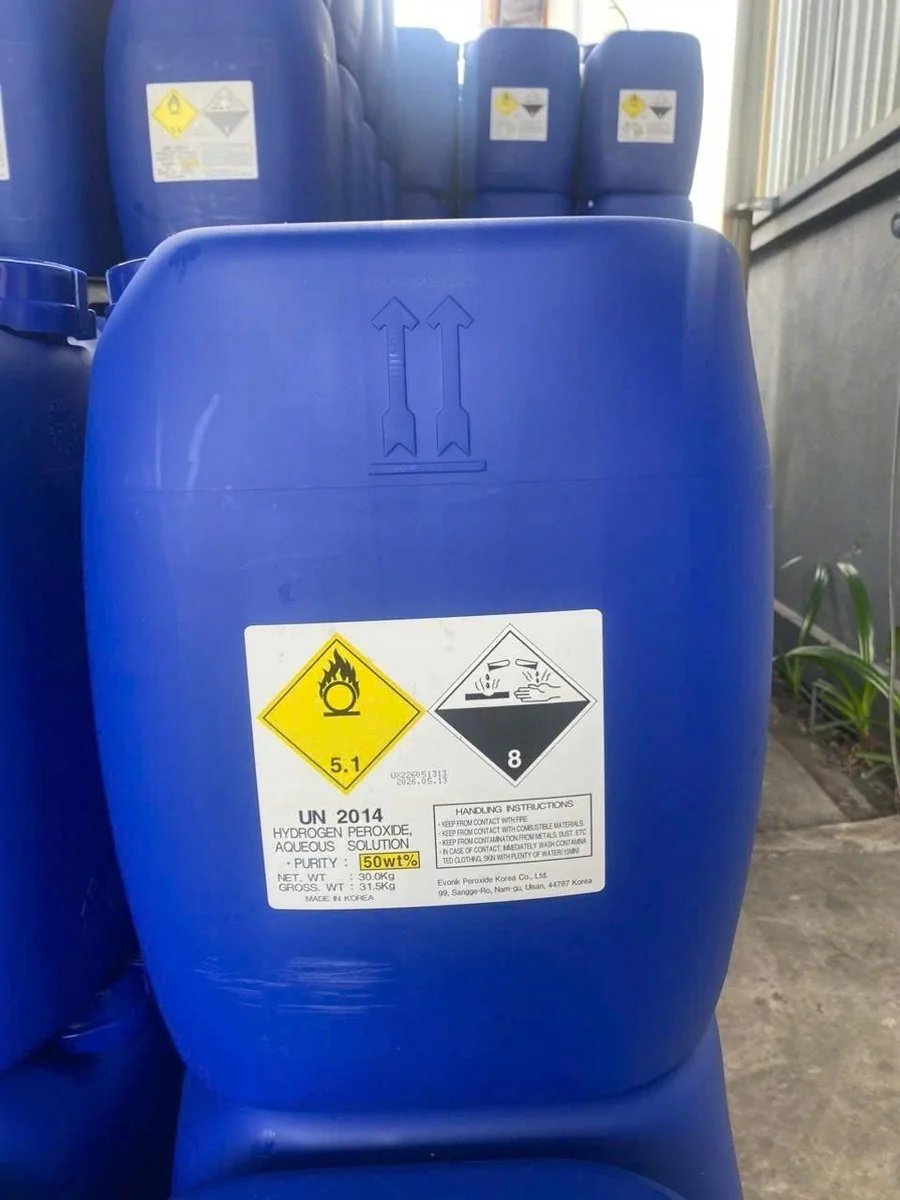
Commercial Hydrogen Peroxide H₂O₂ 50% is weakly acidic (pH = 3.5–5.0) for storage stability and exhibits virtually zero bleaching activity toward raw cotton in neutral or acidic baths. To oxidatively cleave the conjugated double bonds (-C=C- chromophores) of natural seed-coat pigments (flavonoids, melanin, and residual lignin) in greige cotton, the bleach bath must be alkalized with Caustic Soda NaOH to pH 10.5 – 11.2 at 90 – 98 °C, driving the dissociation of H₂O₂ into the nucleophilic Perhydroxyl Anion (HO₂⁻)—the true selective bleaching species:
- Alkaline activation reaction generating active
HO₂⁻:H₂O₂ + OH⁻ ⇌ HO₂⁻ (Active Bleaching Perhydroxyl Ion) + H₂O(pKa = 11.62at25 °C; dissociation shifts strongly to the right at95 °C)
The HO₂⁻ anion selectively oxidizes natural cotton chromophores into water-soluble colorless carboxylate salts while leaving the β-(1→4)-glycosidic linkages of the structural cellulose polymer backbone intact.
1.2. Fenton / Haber-Weiss Free-Radical Chain Decomposition and Catalytic Pinholes
As soon as the bath enters the hot alkaline regime (pH > 10.5, 95 °C), if the process water, direct steam condensate, or greige fabric carries microscopic rust particles (Fe²⁺ / Fe³⁺ from ginning blades, weaving looms, or corroded piping), copper wear debris (Cu²⁺), or manganese (Mn²⁺) at trace concentrations as low as 0.05 – 2.0 ppm, a violent Haber–Weiss / Fenton free-radical chain reaction is triggered instantaneously:
- Parasitic catalytic decomposition and free-radical fiber degradation:
H₂O₂ + Fe²⁺ → Fe³⁺ + OH⁻ + •OH (Highly Destructive Hydroxyl Radical)HO₂⁻ + Fe³⁺ → Fe²⁺ + •O₂⁻ (Superoxide Radical Anion) + H⁺- Overall parasitic oxygen evolution reaction:
2H₂O₂ → 2H₂O + O₂↑ (Wasted gaseous oxygen loss)
Unlike the selective HO₂⁻ ion, the Hydroxyl Radical (•OH, standard reduction potential E° = +2.80 V) is an indiscriminate oxidant. At the exact point where a microscopic rust speck adheres to a cotton yarn, a localized burst of •OH radicals severs the β-(1→4)-glycosidic bonds of the cellulose chains, converting structural cellulose into brittle Oxycellulose. Under subsequent washing and stenter frame tension, these degraded spots rupture into characteristic catalytic pinholes (Pinholes), accompanied by a 25–40% drop in the overall Degree of Polymerization (DP) and fabric bursting/tensile strength!
2. Triple Stabilization Mechanism of Liquid Sodium Silicate (Na₂SiO₃) & the Essential Role of Mg²⁺ Ions
When Liquid Sodium Silicate (Na₂O·mSiO₂, commonly denoted as Na₂SiO₃, safety guidelines in Sodium Silicate MSDS) is dosed into a bleaching bath containing divalent alkaline-earth cations (Mg²⁺ and Ca²⁺), it elevates effective H₂O₂ utilization to 85%–92% and protects cellulose fibers through three simultaneous physicochemical mechanisms:
- Colloidal Magnesium Silicate (
MgSiO₃) Micelle Encapsulation ofFe / Cu / MnCatalysts: In an alkaline bath possessing a water hardness of2 – 5 °dH(30–80 mg/L CaCO₃, or supplemented with0.15 – 0.30 g/LMagnesium Sulfate HeptahydrateMgSO₄·7H₂O), polysilicate anions ([SiO₃]ₙ²ⁿ⁻) react withMg²⁺cations to form negatively charged, high-surface-area colloidal Magnesium Silicate (MgSiO₃·xH₂O) nanoparticles. Acting as “molecular sponges,” these colloidal micelles chemisorb and physically encapsulate transition metal hydroxides/oxides (Fe(OH)₃, Cu(OH)₂) inside their silicate lattice, completely isolating the metal nuclei fromH₂O₂. - Free-Radical Scavenging and Controlled Release of Perhydroxyl Anions (
HO₂⁻): Polysilicate anions form reversible hydrogen-bonded complexes with perhydroxyl ions ([SiO₃²⁻···HO₂⁻]), scavenging nascent•OHradicals to terminate runaway chain reactions while releasing activeHO₂⁻smoothly and linearly across the entire45–60 minutehigh-temperature dwelling phase. - Strong Alkaline pH Buffering (
pH 10.5 – 11.2) & Anti-Redeposition Suspension: Reversible hydrolysis of sodium silicate (SiO₃²⁻ + H₂O ⇌ HSiO₃⁻ + OH⁻) provides a robust alkaline buffer that prevents bathpHfrom dropping prematurely as cotton waxes, pectins, and fatty acids are saponified, while dispersing removed impurities in suspension so they cannot redeposit onto the bleached fabric.
Table 1: Technical Specifications of Liquid Sodium Silicate (Na₂SiO₃) for Textile & Pulp Bleaching
| Technical Quality Parameter | Unit | Standard Textile & Pulp Grade (38–40 °Bé) | High-Gravity Industrial Grade (42–45 °Bé) | Functional Significance in H₂O₂ Bleaching |
|---|---|---|---|---|
Silicon Dioxide Content (SiO₂) | % w/w | 26.0% – 28.5% | 28.5% – 31.0% | Active colloidal backbone forming MgSiO₃ micelles to deactivate heavy metals. |
Sodium Oxide Content (Na₂O) | % w/w | 8.5% – 9.8% | 9.5% – 11.0% | Provides alkaline buffering to activate H₂O₂ and keep silica soluble. |
Silica Modulus (M = mol SiO₂ / mol Na₂O) | Molar ratio | 2.8 – 3.2 | 2.4 – 2.8 | Modulus 2.8–3.2 is optimal for H₂O₂ stabilization; lower modulus suits scouring/foundry. |
Baumé Concentration at 20 °C | °Bé | 38.0 – 40.0 °Bé | 42.0 – 45.0 °Bé | Corresponds to specific gravity d = 1.36 – 1.39 g/cm³ for smooth metering pump dosing. |
Trace Iron Impurity (Fe) | ppm | ≤ 50 | ≤ 100 | Strictly controlled so Na₂SiO₃ itself does not introduce catalytic iron into the bath. |
3. Standard Industrial Formulations for Cotton Bleaching with H₂O₂ 50% + Na₂SiO₃ + NaOH
3.1. Table 2: Standard Formulation Matrix Across Three Industrial Cotton Bleaching Processes
| Chemical Auxiliary & Process Parameter | 1. Exhaust Bleaching in Jet / Overflow Dyeing Machine (Liquor Ratio 1:8 – 1:10) | 2. Continuous Open-Width Pad-Steam Range (Wet Pick-up 95% – 100%) | 3. Cold Pad-Batch Bleaching Process (Room Temp Dwelling at 25–30 °C for 18–24 h) |
|---|---|---|---|
Industrial Hydrogen Peroxide H₂O₂ 50% | 3.0 – 5.0 g/L (or 2.5%–4.0% o.w.f) | 25 – 40 g/L | 35 – 55 g/L |
Liquid Sodium Silicate Na₂SiO₃ (38–40 °Bé) | 2.0 – 3.5 g/L | 8.0 – 12.0 g/L | 12.0 – 18.0 g/L |
Caustic Soda NaOH 100% Basis (multiply by 3.12× if using NaOH 32%) | 1.2 – 2.0 g/L (3.8–6.2 g/L NaOH 32%) | 10.0 – 16.0 g/L | 18.0 – 25.0 g/L |
Magnesium Sulfate (MgSO₄·7H₂O) (mandatory if using 0 °dH soft RO water) | 0.15 – 0.25 g/L | 0.3 – 0.5 g/L | 0.5 – 0.8 g/L |
| Alkali-Stable Wetting Agent & Chelating Dispersant | 1.0 – 1.5 g/L | 4.0 – 6.0 g/L | 6.0 – 10.0 g/L |
Initial Bleach Bath pH (measured at 25 °C) | 10.6 – 10.9 | 10.8 – 11.2 | 11.2 – 11.5 |
| Reaction Temperature & Dwelling Time | 95 – 98 °C × 45 – 60 min | 100 – 102 °C (Saturated Steam) × 45 – 60 min | 25 – 30 °C Rotation × 18 – 24 hours |
Target Residual H₂O₂ at End of Bleaching | 15% – 25% of initial charge | 20% – 30% of initial charge | 25% – 35% of initial charge |
3.2. Engineering Calculation Example: Dosing Mass Balance for a 1,000 kg Cotton Knit Jet Bleaching Batch
Consider a combined scouring and bleaching batch of 1,000 kg of 100% cotton single-jersey knit fabric in an overflow jet dyeing machine operating at a liquor ratio of 1:8 (total bath volume V = 8,000 L = 8 m³), fed with ion-exchange softened water (Total Hardness < 5 ppm CaCO₃). Engineers can verify batch quantities via the Online Chemical Dosing Calculator:
- Step 1 — Pre-dosing
Mg²⁺Hardness Builder (0.20 g/L MgSO₄·7H₂O): Dissolve8,000 L × 0.20 g/L =1.60 kgofMgSO₄·7H₂Ointo the bath at40 °C. - Step 2 — Dosing Liquid Sodium Silicate Stabilizer
Na₂SiO₃ 40 °Bé(2.5 g/L): Add8,000 L × 2.5 g/L =20.0 kgofNa₂SiO₃, circulating for5 minutesto generate the dispersed colloidalMgSiO₃protective network. - Step 3 — Alkaline Activation with
NaOH 32%(5.0 g/L, equivalent to1.6 g/L NaOH 100%): Meter8,000 L × 5.0 g/L =40.0 kgof Liquid Caustic SodaNaOH 32%, verifying bathpH = 10.8. - Step 4 — Charging
H₂O₂ 50%Bleaching Agent (4.0 g/L, safety procedures in H₂O₂ 50% MSDS): Meter8,000 L × 4.0 g/L =32.0 kgofH₂O₂ 50%at50 °C, ramp temperature at1.5–2.0 °C/minto98 °C, and hold for50 minutes. At the end of the cycle,KMnO₄titration confirms a residualH₂O₂concentration of0.75 g/L(18.7%of initial charge), achievingCIE Whiteness = 84.5, bursting strength loss< 6%, and0%pinhole defects.
Technical QC Insight — Specialist Phan Cam Thuy (Quality Control Lab — Loc Thien Chemical): “To prevent amorphous silica scale (
SiO₂·nH₂O) from causing harsh fabric hand-feel and roller encrustation in continuous Pad-Steam bleachers, dyehouse engineers must verify two critical parameters on the batch COA of Liquid Sodium SilicateNa₂SiO₃: silicate modulusM = SiO₂ / Na₂O = 2.6 – 2.9(38 – 42 °Bé at 20 °C) and trace ironFe ≤ 0.02% w/w, while maintainingMg²⁺ = 30 – 50 mg/Lhardness in the bleach bath.”
4. Four Golden Engineering Rules to Prevent Silica Scale (SiO₂·nH₂O) & 3-Role Operational Guide
Although Liquid Sodium Silicate delivers exceptional whiteness and fiber protection, improper post-bleach washing causes amorphous Silica Scale (SiO₂·nH₂O) to precipitate onto stainless steel guide rollers—causing mechanical fabric abrasion—or lock inside cotton lumen capillaries, resulting in harsh handfeel, poor absorbency, and unlevel dyeing. Dye houses can achieve 100% zero-silica-scale operation by enforcing four mandatory engineering rules:
- Never Drain Hot Bleach Liquor and Inject Cold Water (
25 °C) Directly (Prevent Thermal Shock): Sodium silicate is highly soluble above90 °CatpH > 10.5; injecting25 °Ccold water directly into a hot vessel causes residual silicate inside fiber capillaries to gel instantaneously into irreversible glassy silica deposits. - First Wash Must Be a “Boiling Hot Alkaline Wash at
85–90 °C”: Immediately following the bleaching hold, the first washing compartment (or first overflow rinse in a jet machine) must use85–90 °Chot water supplemented with0.5–1.0 g/L NaOHto keeppH ≥ 10.5. This elutes absorbed silicate from the fabric in its highly soluble sodium metasilicate state before proceeding to a70 °Csecond hot wash and subsequent acid neutralization. - Adopt a Hybrid “Sodium Silicate + Organic Polymer Dispersant (
MA/AAor Phosphonate)” System: Reduce liquidNa₂SiO₃dosage by40–50%(e.g., to1.2–1.5 g/Lin jet bleaching) and pair it with0.5–0.8 g/Lof maleic–acrylic copolymer (MA/AA) or organic phosphonate (EDTMP / DTPMP). Polymeric lattice distortion keeps colloidal silica suspended at sub-micron dimensions so it cannot agglomerate on vessel walls. - Maintain End-of-Cycle Residual
H₂O₂ ≥ 15%and FinalpH ≥ 10.2: AllowingH₂O₂to deplete completely or letting bathpHdrop below9.5during high-temperature dwelling destabilizes silicate micelles and triggers fabric yellowing and silica precipitation.
Execution Guidelines for Three Key Roles (Procurement · Process & EHS · Accounting)
- For Global Procurement Teams: Consolidate bulk purchase orders for Liquid Sodium Silicate
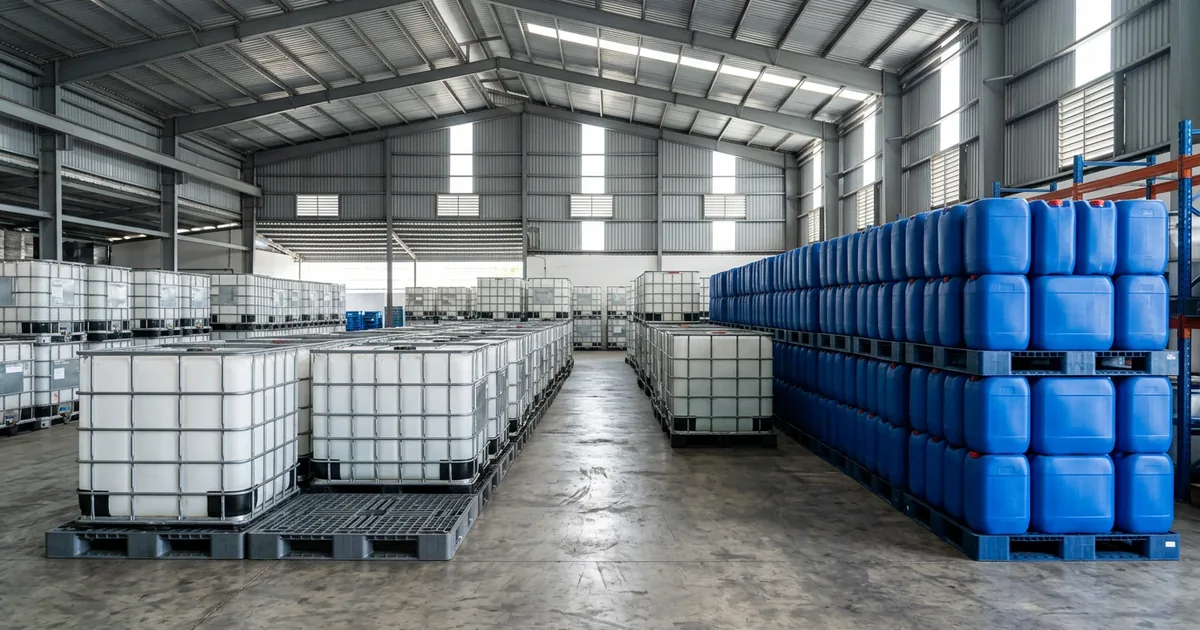
Na₂SiO₃(38–42 °Bé) (available in250 kgPE drums,1,350–1,400 kgIBC totes, or dedicated5–30-tonbulk tankers) alongsideH₂O₂ 50%andNaOH 32%/99%. Require every shipment to include a Batch COA verifying low trace iron (Fe ≤ 50 ppm) forNa₂SiO₃and official TÜV SÜD ZDHC MRSL v3.1 Level 1 certificates forH₂O₂andNaOHto satisfy global apparel brand audits. - For Process & EHS Engineers: Enforce full alkali- and oxidizer-resistant PPE in compliance with the 16-section GHS Sodium Silicate MSDS and Hydrogen Peroxide H₂O₂ 50% MSDS. Segregate
H₂O₂ 50%storage tanks (Class 5.1 Strong Oxidizer) strictly away from reducing agents, organic oils, and flammables; equipH₂O₂IBCs/tanks with automatic pressure-relief vents and install ANSI Z358.1 emergency safety showers and eyewash stations on the bleach kitchen floor. - For Accounting & Tax Compliance: Reconcile each delivery with a complete B2B documentation package: certified weighbridge tickets and security seal logs, lot-matched Batch COA reports, and a valid Vietnamese Electronic VAT Invoice (
e-VAT Invoice) fully compliant with Vietnamese tax regulations and the Law on Chemicals No.69/2025/QH15.
5. Frequently Asked Technical Questions on Liquid Sodium Silicate (Na₂SiO₃) H₂O₂ Stabilization (FAQ)
1. Why does alkaline H₂O₂ 50% cotton bleaching without a Sodium Silicate stabilizer cause fabric pinholes and tensile strength loss?
If process water or raw cotton contains trace transition metal ions (Fe³⁺, Cu²⁺, Mn²⁺ at just 0.5 – 2.0 ppm), they catalyze free-radical decomposition of H₂O₂ to generate aggressive hydroxyl radicals (•OH) directly on rust specks adhering to the yarn, cleaving cellulose polymer chains, reducing the Degree of Polymerization (DP) by 30–50%, and creating localized pinholes.
2. Why must Magnesium Sulfate (MgSO₄·7H₂O at 0.15–0.25 g/L) be added when using Sodium Silicate with soft RO water?
Na₂SiO₃ must react with divalent Mg²⁺ and Ca²⁺ cations to form colloidal Magnesium Silicate (MgSiO₃) micelles capable of adsorbing and encapsulating catalytic iron oxide particles. In completely softened water (Hardness = 0 ppm), Na₂SiO₃ loses 60–70% of its stabilizing efficacy; therefore, 0.15 – 0.25 g/L MgSO₄·7H₂O must be pre-dosed before adding Na₂SiO₃.
3. How can dye houses prevent Silica Scale buildup on steamer rollers and harsh fabric handfeel?
Never allow the bleaching bath to experience sudden thermal shock from cold water injection or let pH drop below 9.5 while concentrated silicate liquor remains in the vessel; always execute a boiling hot alkaline overflow wash at 85 °C – 95 °C immediately after bleaching before any warm/cold rinsing and acid neutralization.
Related Technical Resources & Products
- Industry Category: Industrial Textile & Dyeing Chemicals
- Core Products: Liquid Sodium Silicate Na₂SiO₃ (38–42 °Bé Water Glass) | Industrial Hydrogen Peroxide H₂O₂ 50%
- Safety Data Sheets (16-Section GHS MSDS): Sodium Silicate Na₂SiO₃ MSDS | Hydrogen Peroxide H₂O₂ 35% – 50% MSDS
- Engineering Utility: Online Chemical Dosing & Dilution Calculator
- Related Technical Guides:
- 15-Minute Technical Quotation: Request a Batch Quotation for Na₂SiO₃ & H₂O₂ 50%