CO₂ Gas-Hardened Sand Molding & Acid-Proof Refractory Cement Using Liquid Sodium Silicate (Na₂SiO₃)
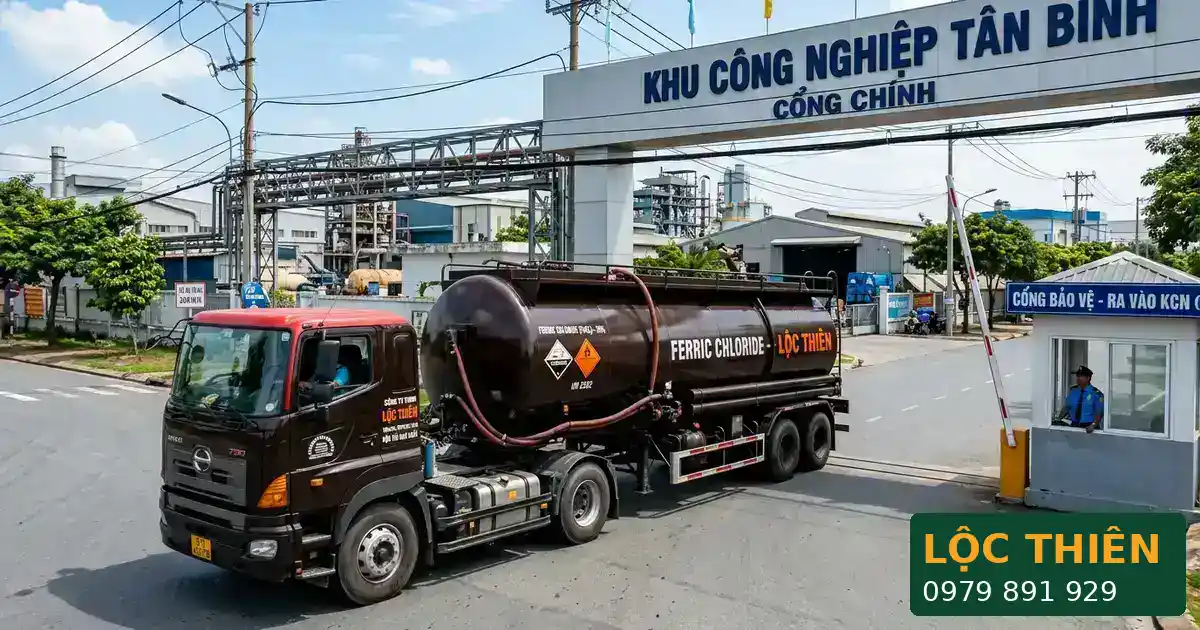
Key Technical Summary: Rapid Carbon Dioxide gas-hardened sand casting (Sodium Silicate-CO2 Process) and ASTM C398 acid-resistant refractory mortar formulation rely fundamentally on controlling the silicate modulus (M = SiO2/Na2O = 2.2–3.2) and Baume density (40–52 °Be at 20 °C) of Liquid Sodium Silicate (Na2SiO3). Operating as a large-scale commercial bulk supplier, Loc Thien Chemical distributes batch-consistent Na2SiO3 solutions via a dedicated fleet of 5–30-ton road tankers and 300 kg drums across 6 standardized regional warehouses in Vietnam, enabling metallurgical foundries to compress mold curing cycles to 60–90 seconds while protecting chemical processing infrastructure against concentrated mineral acids at temperatures up to 900 °C. In Vietnam, Loc Thien Chemical (Tax ID: 0313650856) supplies industrial chemicals in bulk from 6 strategic industrial park warehouses (Ba Ria - Vung Tau, Dong Nai, Binh Duong, Da Nang, Can Tho, Bac Ninh) via a dedicated 5–30-ton tanker fleet with batch-specific COA and 16-section GHS SDS — contact hotline 0979 891 929 for a technical quote within 15 minutes.
Table of contents
Rapid Carbon Dioxide gas-hardened sand casting (Sodium Silicate–CO₂ Sand Process) and ASTM C398 acid-resistant refractory cement fabrication rely on the controlled sol–gel polycondensation of Liquid Sodium Silicate Na₂SiO₃ (silicate modulus M = SiO₂/Na₂O = 2.2 – 3.2, density 40 – 52 °Bé at 20 °C). When pressurized CO₂ gas (0.15 – 0.20 MPa) permeates washed quartz sand coated with 3.5% – 4.5% Na₂SiO₃, a three-dimensional SiO₂·mH₂O hydrogel matrix forms within 60 – 90 seconds, achieving instantaneous compressive strength of ≥ 1.2 – 1.8 MPa and reducing casting gas porosity defects by 70%. Operating as a large-scale commercial bulk supplier, Loc Thien Chemical distributes Na₂SiO₃ via dedicated 5–30-ton road tankers and 300 kg drums with batch-specific COA, delivering technical quotations within 15 minutes via Hotline 0979 891 929.
1. Chemical Mechanism of Sol-Gel Reaction in CO₂ Gas-Hardened Sand Molds
In ferrous and non-ferrous metallurgical foundries, Liquid Sodium Silicate (commonly referred to as Water Glass) is an aqueous alkaline colloid represented by the general formula Na₂O·nSiO₂·xH₂O (CAS 1344-09-8). The primary physicochemical parameter governing its curing kinetics, green viscosity, and film cohesive strength is the Silicate Modulus (M), which expresses the molar ratio between Silicon Dioxide (SiO₂, molar mass 60.08 g/mol) and Sodium Oxide (Na₂O, molar mass 61.98 g/mol):
- Engineering Formula for Calculating Modulus
Mfrom Batch COA:M = (% SiO₂ ÷ % Na₂O) × 1.0316
When dry gaseous CO₂ is injected through a compacted bed of high-purity silica sand (SiO₂ ≥ 96%) pre-coated with a thin film of Na₂SiO₃ (M = 2.2 – 2.5), rapid chemical hardening proceeds via two sequential physicochemical mechanisms:
- Alkali Neutralization and Silanol Polycondensation into a 3D Silica Gel Network (
SiO₂·mH₂O):Na₂O·nSiO₂ + CO₂ + mH₂O → Na₂CO₃ + nSiO₂·mH₂O↓ (Three-Dimensional Silica Hydrogel Binder Matrix)As carbonic acid neutralizes the alkalineNa₂Ocomponent into Sodium Carbonate (Na₂CO₃), the effective silicate modulus of the remaining liquid film surges rapidly above4.0, crossing the thermodynamic supersaturation threshold of amorphous silica. Monomeric orthosilicic acid groups (Si(OH)₄) and reactive silanol groups (≡Si–OH) undergo rapid dehydration condensation to form covalent siloxane bridges (≡Si–O–Si≡) that lock adjacent quartz sand grains into a rigid mechanical skeleton. - Three-Stage Compressive Strength Evolution Curve:
- Instantaneous Gassed Strength (As-Gassed Strength): Reaches
0.60 – 1.20 MPaimmediately after60 – 90 secondsofCO₂purging, allowing immediate pattern stripping and core handling without oven baking. - Atmospheric Standing Strength (Air-Dehydration Gain): Continues to rise to
1.80 – 2.80 MPaover4 – 24 hoursof ambient air standing as residual free moisture evaporates from the hydrogel capillaries, further densifying the siloxane cross-links. - Strength Degradation from Over-Gassing: Extending
CO₂purging beyond the optimal window (> 120 secondsat> 0.25 MPa) convertsNa₂CO₃into hydrated Sodium Bicarbonate crystals (NaHCO₃) while extracting structural bound water from theSiO₂·mH₂Ogel network. This syneresis shrinkage fractures the binder bridges between sand grains, leaving friable, chalky mold surfaces. Standard foundry practice restrictsCO₂gas consumption to1.0% – 1.8%by weight of sand (approximately25% – 40%of the sodium silicate weight).
- Instantaneous Gassed Strength (As-Gassed Strength): Reaches
2. Formulating Acid-Resistant Silicate Cement & Mortar Under ASTM C398
To protect steel pickling tanks, chemical fertilizer plant floors, sulfuric acid dilution basins, electroplating trenches, and thermal power plant flue-gas chimneys against aggressive acid corrosion, international standard ASTM C398 (Standard Practice for Use of Chemical-Resistant Resin and Silicate Mortars) specifies Sodium Silicate Acid-Proof Mortar chemically cured with Sodium Fluorosilicate (Na₂SiF₆):
- Through-Thickness Chemical Hardening Reaction:
2(Na₂O·nSiO₂) + Na₂SiF₆ + 2(2n + 1)H₂O → 6NaF + (2n + 1)Si(OH)₄↓ → (2n + 1)SiO₂·mH₂O
Unlike atmospheric CO₂ curing—which only penetrates thin outer layers—solid Na₂SiF₆ dispersed uniformly throughout the mortar hydrolyzes gradually in water to release hydrofluoric and silicic acid species that neutralize 100% of the alkaline Na₂O uniformly across thick brick joints and monolithic linings. Following surface acid-pickling activation (brushing cured joints with 20% – 30% H₂SO₄ to convert residual sodium salts), the cross-linked SiO₂ matrix achieves compressive strengths of ≥ 25 – 38 MPa and bond strength to acid-proof ceramic bricks exceeding 1.5 MPa.
- Standard Engineering Mix Design for 100 kg of Acid-Proof Mortar: Blend
24 – 28 kgof Liquid Sodium SilicateNa₂SiO₃(M = 2.6 – 2.8, density40 – 42 °Bé) +3.0 – 4.2 kgof dryNa₂SiF₆hardener powder (12% – 15%relative to liquid silicate weight, purity≥ 98%) +68 – 72 kgof graded acid-washed quartz flour and silica aggregate (SiO₂ ≥ 98%, moisture< 0.5%, graded across140–200 meshand40–70 meshto minimize curing shrinkage). - Chemical Resistance Envelope & Operating Boundaries: Fully cured silicate cements resist continuous immersion and hot vapor exposure of Sulfuric Acid
H₂SO₄, Hydrochloric AcidHCl, Nitric AcidHNO₃, chromic acid, and organic acids at service temperatures up to900 °C. However, sodium silicate mortars must never be exposed to Hydrofluoric Acid (HF), acid fluoride effluents, or strong alkaline solutions (NaOH,KOHat pH> 10), which chemically depolymerize theSi–O–Siframework.
3. Technical Specification Table of Liquid Sodium Silicate Na₂SiO₃ by Modulus M and Baumé Density
As a specialized commercial bulk supplier, Loc Thien Chemical distributes and verifies three distinct industrial grades of Na₂SiO₃ tailored to foundry, refractory mortar, and paper/detergent processing requirements:
| Technical Parameter | CO₂ Sand Foundry Grade | Acid-Proof Cement & Civil Grade | Corrugated Board & Detergent Grade | Analytical Test Method |
|---|---|---|---|---|
Silicate Modulus (M) | 2.20 – 2.50 (Rapid CO₂ gelation) | 2.60 – 3.00 (High acid resistance) | 3.00 – 3.30 (Fast film drying) | TCVN / GB/T 4209-2022 |
Baumé Density at 20 °C | 48.0 – 52.0 °Bé | 40.0 – 45.0 °Bé | 38.0 – 42.0 °Bé | Calibrated Hydrometer (20 °C) |
Specific Gravity (SG, g/cm³) | 1.495 – 1.560 | 1.381 – 1.450 | 1.355 – 1.410 | ASTM D1475 |
% SiO₂ Content (w/w) | ≥ 28.5% – 31.5% | ≥ 26.0% – 28.5% | ≥ 25.5% – 27.5% | Gravimetric Silica Analysis |
% Na₂O Content (w/w) | ≥ 11.8% – 13.8% | ≥ 9.2% – 10.8% | ≥ 8.0% – 9.2% | Acidimetric Titration (0.5 N HCl) |
Iron (Fe₂O₃) & Insoluble Matter | Fe₂O₃ ≤ 0.05% · Matter ≤ 0.10% | Fe₂O₃ ≤ 0.05% · Matter ≤ 0.10% | Fe₂O₃ ≤ 0.03% · Matter ≤ 0.08% | AAS & G4 Sintered Glass Filter |
| Standard Supply Format (SSOT) | 5–30-Ton Tankers / 300 kg Drums | 5–30-Ton Tankers / 300 kg Drums | 5–30-Ton Tankers / 300 kg Drums | Batch-Specific COA |
4. Dynamic Viscosity & Baumé Density vs. Ambient Temperature Matrix & Sand Mixing Calibration
Ambient shop-floor temperatures across Vietnamese industrial zones fluctuate between 14 °C (Northern winter) and 42 °C (Southern dry season peak). Because aqueous sodium silicate is a concentrated colloidal electrolyte, its dynamic viscosity (η) exhibits steep non-linear sensitivity to temperature, directly impacting pumpability and the uniformity of binder coating around quartz sand grains:
Solution Temperature (°C) | Dynamic Viscosity (cP / mPa·s, M = 2.3–2.5) | Apparent Baumé Reading | Specific Gravity (g/cm³) | Foundry Sand Mixing & Pump Operation Calibration |
|---|---|---|---|---|
12 – 18 °C (Cold Winter) | 650 – 1,150 cP (Highly Viscous) | 50.5 – 52.5 °Bé | 1.53 – 1.56 | Insulate/trace transfer pipes to 28–32 °C; extend sand mulling time by 35 – 50 seconds; never dilute with cold water. |
20 – 25 °C (Standard Reference) | 380 – 520 cP (Nominal) | 48.5 – 50.0 °Bé | 1.50 – 1.52 | Operate per standard SOP; mix sand for 120 – 150 seconds; purge CO₂ at 0.15 – 0.18 MPa for 60 – 80 seconds. |
26 – 32 °C (Optimal Window) | 220 – 340 cP (Ideal Wetting) | 47.5 – 48.5 °Bé | 1.48 – 1.50 | Uniform micro-film enveloping sand grains; binder dosage can be optimized from 4.2% down to 3.8% – 4.0%. |
35 – 42 °C (Hot Shop Floor) | 130 – 190 cP (Low Viscosity) | 46.0 – 47.2 °Bé | 1.46 – 1.48 | Cover mixed sand hoppers with damp tarpaulins to prevent crusting; shorten bench life before CO₂ gassing to < 15 minutes. |
5. Overcoming Poor Mold Collapsibility Above 1,200 °C Pouring Temperatures
When pouring molten cast iron or alloy steel at 1,350 – 1,580 °C, the sand mold zone subjected to temperatures between 850 °C and 1,250 °C undergoes an adverse ceramic sintering reaction: residual alkaline Na₂O reacts with the quartz sand substrate (SiO₂) to form a low-melting liquid alkali-silicate glass phase (Na₂O·2SiO₂, eutectic point ~790 – 870 °C). As the casting cools below 600 °C, this molten glass solidifies into a continuous, monolithic ceramic shell whose retained compressive strength spikes to 8.0 – 15.0 MPa, causing severe core knockout difficulties (Poor Collapsibility) and hot-tearing defects in thin-walled castings.
To reduce post-casting retained compressive strength below 1.5 – 2.5 MPa for effortless vibratory shakeout, foundry engineers implement three synergistic measures:
- Incorporate Combustible Organic Collapsibility Additives (
1.0% – 2.0%by sand weight): Blend pulverized sea-coal dust (for grey/ductile iron), Dextrose powder, modified starch, or Refined Cane Molasses (0.8% – 1.5%). Above800 °Cin the reducing mold atmosphere, these organic modifiers pyrolize and leave carbonaceous micro-pores that interrupt the continuous sintered glass bridges, allowing sand cores to collapse cleanly on the shakeout grid. - Add Refractory Inorganic Metal Oxide Modifiers (
0.5% – 1.0%): Introduce fine Red Iron Oxide (Fe₂O₃) or calcined Bauxite (Al₂O₃) powder to shift theNa₂O–Al₂O₃–SiO₂eutectic temperature upward, suppressing liquid glass sintering at the metal-mold interface. - Minimize Total
Na₂SiO₃Binder Dosage (3.5% – 4.2%): Use washed, low-fines silica sand (clay/silt content< 0.5%, moisture< 0.3%, AFS grain fineness50–65) paired with tightly controlledM = 2.30 – 2.40silicate, and calculate exact batch proportions via our Online Chemical Dosing Calculator.
6. Technical Illustrative Example: Converting an 800-Ton/Month Stainless Steel Foundry to the Silicate–CO₂ Sand Process
Technical Illustrative Example (Practical Engineering Model for Metallurgical Foundries): Consider a precision foundry producing
CF8M (SUS316)stainless steel pump casings and industrial valve bodies at an output scale of800 tons of finished castings/month(processing3,200 tons of molding sand/month).
- Baseline Operational Bottlenecks: The plant previously relied on oil-fired oven-baked clay sand molds (
4 – 6 hours/cycle) supplemented by retail-sourced sodium silicate drums exhibiting wide modulus drift (M = 2.1 – 2.9). Gas blowhole and sand erosion scrap rates averaged11.5%, while pneumatic chipping during post-casting fettling consumed35%of total shop-floor labor hours.- Engineering Solution with Loc Thien
Na₂SiO₃: The foundry installed an insulated25 m³carbon steel storage tank supplied via15–25-tonbulk road tankers of Loc Thien Liquid Sodium SilicateNa₂SiO₃(M = 2.35 ± 0.05,50 °Bé); standardized continuous sand mulling at100 parts AFS 55 washed silica sand+3.8 parts Na₂SiO₃+1.2 parts Dextrose collapsibility modifier; and automated manifoldCO₂gassing at0.18 MPafor75 seconds.- Verified 90-Day Engineering Results: Mold production cycle time dropped from
4 hoursto15 minutes, eliminating100%of drying-oven fuel oil consumption; casting gas-porosity scrap plunged from11.5%to< 1.4%; and post-casting core shakeout and fettling labor hours decreased by55%.
7. Batch Quality Control SOP (Modulus M & Baumé on Batch COA), Anti-Carbonation Tank Storage & 5–30-Ton Bulk Tanker Supply
Technical Commentary by QC Specialist Phan Cam Thuy (Quality Control Lab — Loc Thien Chemical): “When inspecting incoming
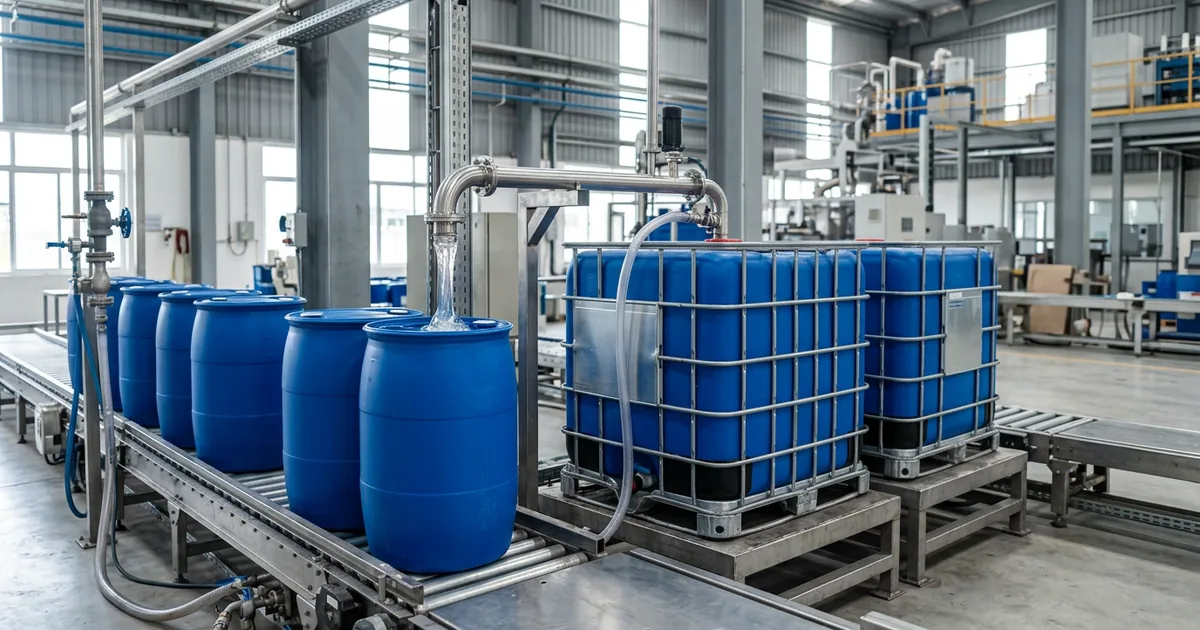
5–30-tonroad tanker deliveries or300 kgdrum lots of Liquid Sodium SilicateNa₂SiO₃, plant QA technicians must never rely solely on a Baumé hydrometer reading (°Bé). Two solutions can both measure48 °Béat20 °C, yet a batch with ModulusM = 2.30(formulated forCO₂foundry sand) and a batch with ModulusM = 2.95(formulated for acid-proof cement) will exhibit a3-fold differenceinCO₂gelation speed. Consequently, on everybatch-specific COAissued by Loc Thien Chemical, our QC laboratory performs dual acidimetric and gravimetric titrations to certify% Na₂O,% SiO₂, and Silicate ModulusM(± 0.05) before sealing any tanker or drum for dispatch.”
| Quality Control Checkpoint | Technical Specification & Threshold | Verification Method | Corrective Engineering Action |
|---|---|---|---|
| 1. Incoming Batch Receiving | Baumé at 20 °C within ≤ ± 0.5 °Bé; Modulus M within grade spec (± 0.05) | Calibrated Baumé Hydrometer (20 °C); verify Batch COA | Reject lots showing gel skins or off-spec M; apply thermal correction (+0.04 °Bé / 1 °C). |
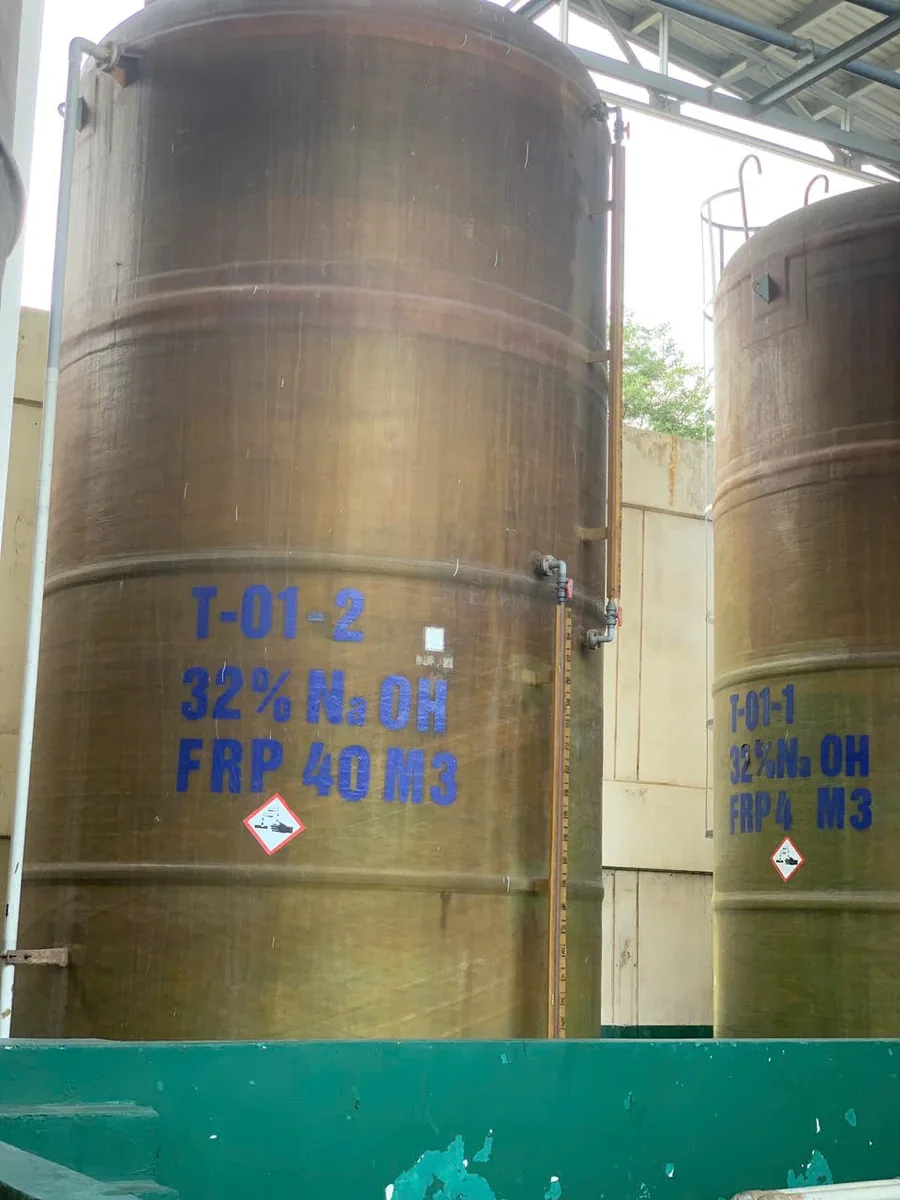
| 2. Bulk Storage Tank Integrity | Airtight carbon steel or FRP tank; NEVER use Aluminum (Al) or Zinc (Zn) | Bi-weekly inspection of breather valve and pump Y-strainer | Seal manways to prevent atmospheric CO₂ silica crusting; flush transfer lines with 50–60 °C warm water. |
| 3. Soft / Friable Sand Molds | Post-gassing compressive strength ≥ 0.8 – 1.2 MPa; base sand moisture < 0.3% | Sand Compression Tester (Ø50 × 50 mm); CO₂ gauge (0.15 – 0.20 MPa) | Check base sand moisture (> 0.5%) or hot sand (> 40 °C); install heater on CO₂ regulator to prevent dry-ice freezing. |
| 4. Acid Mortar Setting Rate | Initial set 25 – 45 minutes at 25 °C; full cure before acid wash 24 – 48 hours | Vicat Needle (ASTM C308); quartz filler moisture test (< 0.5%) | Hot weather > 35 °C: reduce Na₂SiF₆ to 12%; cold weather < 18 °C: increase Na₂SiF₆ to 15%–16%. |
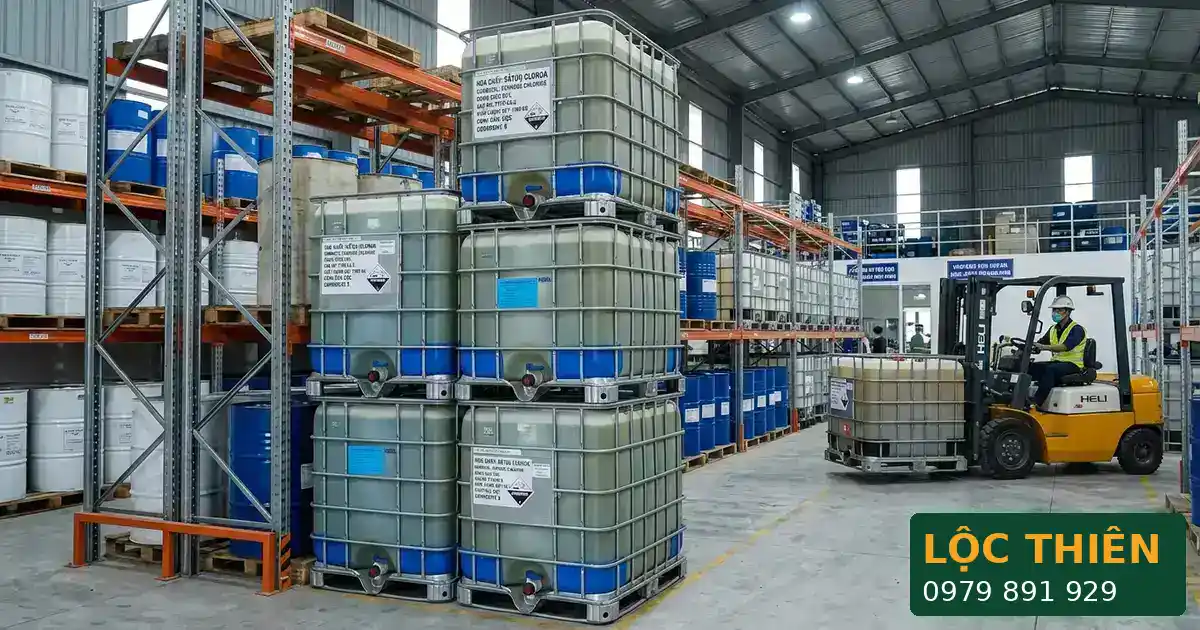
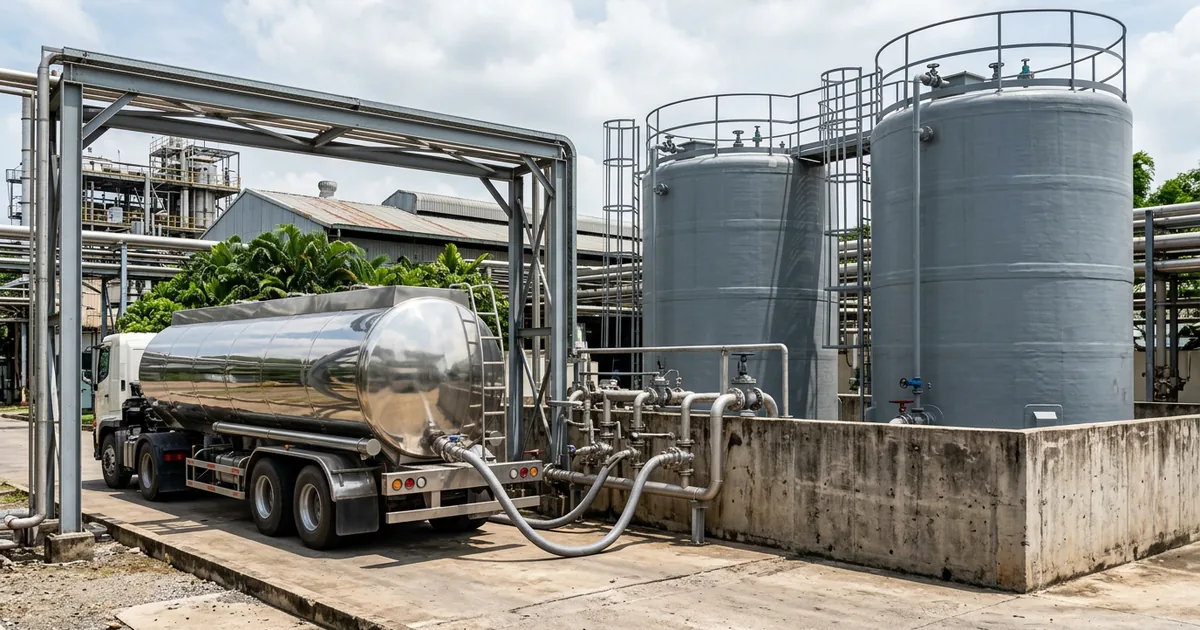
Loc Thien Investment Development Co., Ltd. (Tax ID: 0313650856, Legal Head Office: 452/6B Tinh Lo 10, Binh Tri Dong Ward, Binh Tan District, Ho Chi Minh City — legal administrative headquarters only, not a physical storage warehouse) is a commercial bulk supplier of industrial chemicals specializing in the nationwide distribution of Liquid Sodium Silicate Na₂SiO₃ and industrial bulk chemicals (3,000+ tons/month capacity, dedicated 5–30-ton road tanker fleet) dispatched from 6 standardized regional warehouses: (1) Ba Ria - Vung Tau Warehouse (Phu My 1 Industrial Park); (2) Dong Nai Warehouse (Long Thanh Industrial Park); (3) Binh Duong Warehouse (Tan Dong Hiep Ward, Di An City); (4) Da Nang Warehouse (Hoa Khanh Industrial Park); (5) Can Tho Warehouse (Tra Noc Industrial Park); and (6) Bac Ninh Warehouse (Tien Son Industrial Park).
- Quotation & Delivery SLA Commitments: Formal technical quotations accompanied by
batch-specific COAandGHS-compliant SDS(aligned with the Vietnam Law on Chemicals69/2025/QH15) are issued within15 minutes. Standard delivery SLA is4 hoursfor inner Ho Chi Minh City;24–48 hoursfor Southern & Mekong Delta Industrial Parks; and2–3 daysfor Northern & Central Vietnam. Contact hotline0979 891 929for detailed delivery procedures and tanker scheduling. - 5 Core Factors Structuring B2B Unit Pricing: (1) Silicate Modulus
Mgrade and°Béconcentration; (2) Packaging and logistics format (5–30-tonroad tankers,1,000 LIBC totes, or300 kgdrums); (3) Monthly contract volume and dispatch frequency; (4) Transport distance from the nearest regional warehouse; and (5) Third-party testing requirements (Quatest 3 verification or EPE0% VATcustoms documentation). Contact our 24/7 Technical Hotline0979 891 929, Official Email[email protected], or submit an online RFQ.
8. Frequently Asked Questions (FAQ) on Liquid Sodium Silicate Na₂SiO₃ for Sand Casting & Acid-Proof Mortars
1. What silicate modulus M should foundries select for Liquid Sodium Silicate to achieve rapid CO₂ mold hardening while maintaining easy post-casting shakeout?
For ferrous and steel sand casting cured via pressurized CO₂ gas injection, the optimal silicate modulus window is M = 2.2 – 2.5 paired with a density of 48 – 52 °Bé at 20 °C and a binder addition rate of 3.5% – 4.5% by weight of washed silica sand. Selecting M < 2.0 slows down sol-gel gelation during CO₂ gassing and increases moisture pickup; conversely, using M > 2.8 without organic collapsibility additives causes the binder film to sinter into vitrified phases above 1,200 °C, severely impeding mold shakeout.
2. Why does prolonged CO₂ gassing (Over-gassing) cause Sodium Silicate sand molds to become friable and lose compressive strength?
When CO₂ gas injection exceeds 120 seconds at pressures > 0.25 MPa, excess CO₂ converts Na₂CO₃ into hydrated NaHCO₃ crystals while dehydrating structural bound water inside the SiO₂·mH₂O hydrogel network, fracturing inter-granular bridges between sand grains and reducing mold compressive strength by 35% – 50%.
3. Which chemicals do Sodium Silicate acid-proof cements resist, and in which environments are they strictly prohibited?
Acid-resistant mortars compounded from Na₂SiO₃ (M = 2.6 – 3.0, 40 – 44 °Bé), Na₂SiF₆ curing agent, and graded quartz flour provide durable resistance against H₂SO₄, HCl, HNO₃, and organic acids up to 900 °C. However, silicate mortar systems are strictly prohibited in environments containing Hydrofluoric Acid (HF), acid fluoride salts, or strong alkaline media (hot NaOH or KOH).
4. How can industrial plants prevent crystallization and white silica crusting inside bulk Liquid Sodium Silicate Na₂SiO₃ storage tanks?
Plants must store Na₂SiO₃ in airtight carbon steel or FRP tanks fitted with one-way breather valves to prevent atmospheric CO₂ from forming insoluble silica crusts, maintain tank temperatures between 20 – 35 °C, and flush pump transfer lines with warm water immediately after each dispensing shift.
5. In what packaging formats does Loc Thien Chemical supply Liquid Sodium Silicate Na₂SiO₃, and what are the delivery lead times to industrial parks?
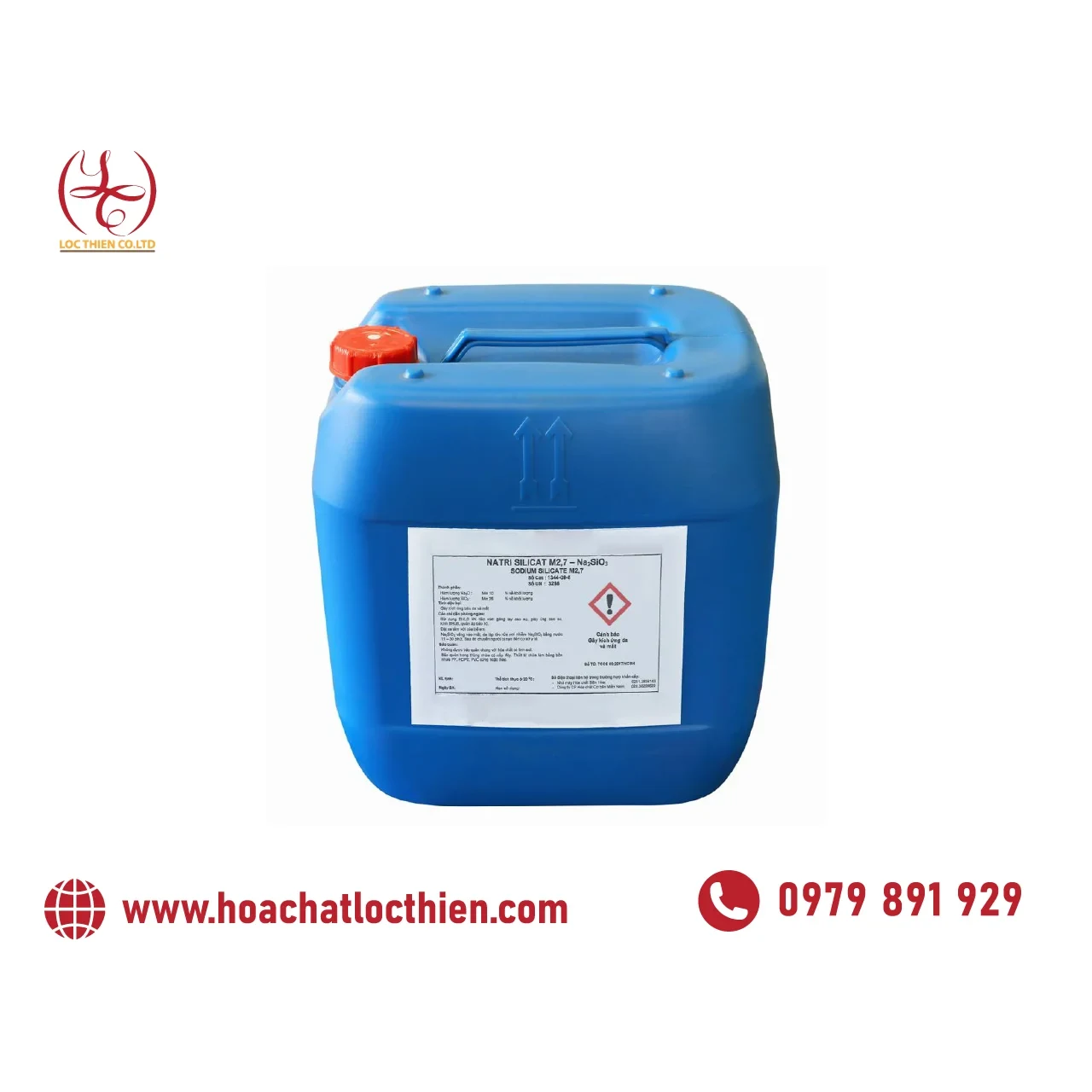
Operating as a large-scale commercial bulk supplier of industrial chemicals (3,000+ tons/month), Loc Thien Chemical distributes Na₂SiO₃ via dedicated 5–30-ton road tankers, 1,000 L IBC totes, and 300 kg drums with batch-specific COA and GHS-compliant SDS. Delivery SLA is 4 hours for inner Ho Chi Minh City, 24–48 hours across Southern & Mekong Delta Industrial Parks, and 2–3 days for Northern & Central Vietnam from our 6 standardized regional warehouses.