
What Is PAC? Complete Guide to the Coagulant for Water Treatment
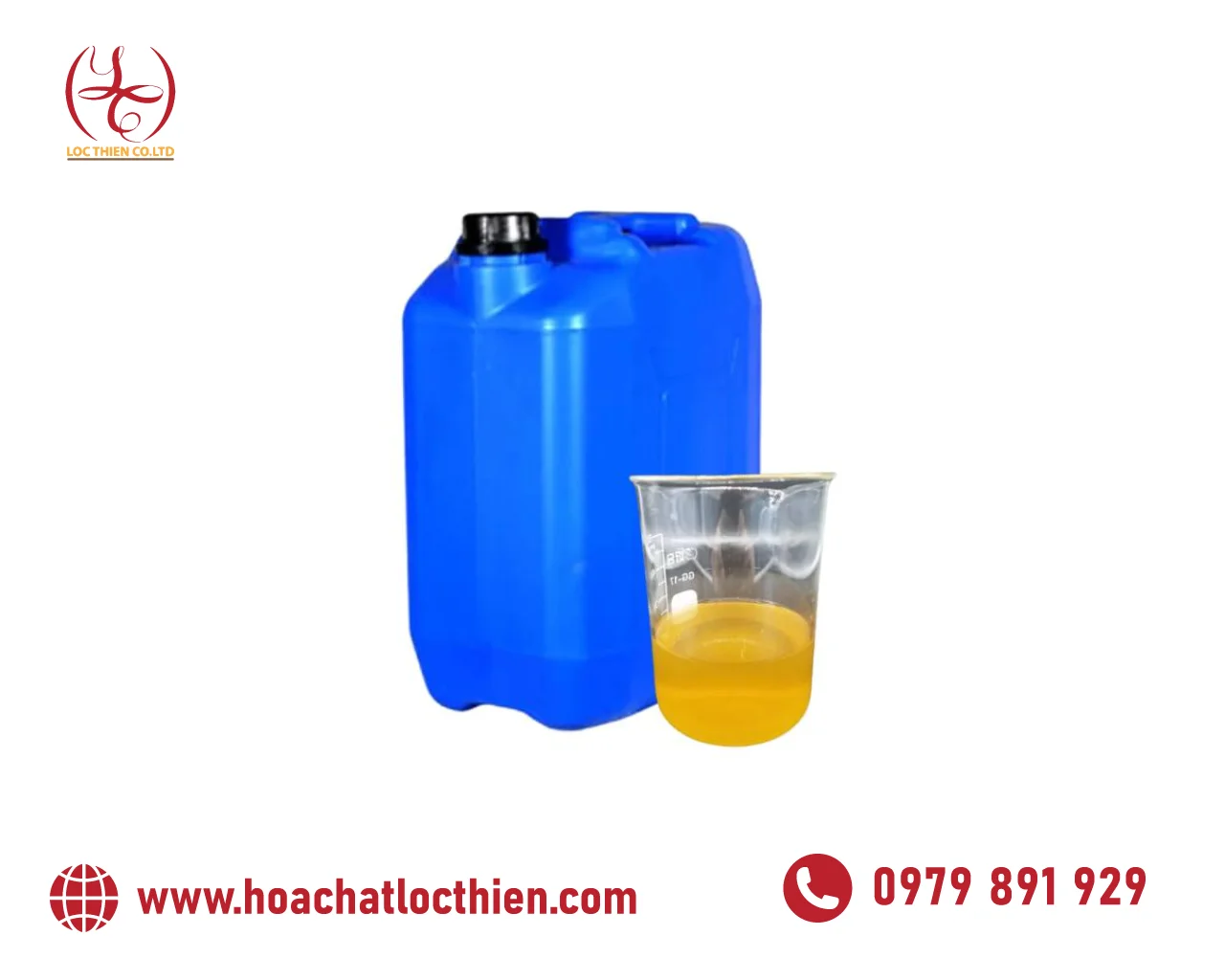
Table of contents
PAC (Poly Aluminium Chloride), CAS 1327-41-9, is the most widely used poly-aluminium coagulant in water treatment today. With the general formula [Al₂(OH)ₙCl₆₋ₙ]ₘ, PAC outperforms traditional alum (aluminum sulfate) in its fast floc formation, one-third lower dosage and minimal reduction of source water pH. This comprehensive guide covers all foundational knowledge about PAC — from definition, mechanism of action, product forms, real-world applications, to selecting the right grade and reading a COA — designed for operations engineers and first-time PAC buyers. This is the overview page — for deeper dives into specific aspects, follow the links to detailed articles at the bottom.
6 core facts about PAC:
- PAC (Poly Aluminium Chloride) CAS 1327-41-9 — formula [Al₂(OH)ₙCl₆₋ₙ]ₘ, replacing traditional alum
- Coagulation mechanism: charge neutralization + polymer bridging — forms large, fast-settling flocs
- 3 main forms: powder 31%, liquid 10%, liquid 17% — each suited to different operational scales
- 5 main applications: water supply, wastewater, swimming pools, textiles, paper production
- Loc Thien Chemical supplies PAC in bulk quantities, batch COA/MSDS, 6 warehouses nationwide
- Call 0979 891 929 — free quote and technical consultation within 15 minutes
1. What Is PAC? Definition, CAS, Chemical Formula
PAC stands for Poly Aluminium Chloride — a polymerized aluminum salt, CAS number 1327-41-9, with the general formula [Al₂(OH)ₙCl₆₋ₙ]ₘ. Here n represents the number of hydroxyl groups (OH⁻) replacing chloride ions (Cl⁻) on the aluminum molecule, while m is the degree of polymerization — the number of Al₂ units linked together in long chains. Unlike alum (Al₂(SO₄)₃), which is a simple salt, PAC is pre-processed to form polymer chains with stronger coagulation ability even at low dosages. The most important technical parameter is Al₂O₃ content: liquid form achieves 10% by weight, bright yellow powder form reaches 28.5%–31%. The Basicity of PAC ranges from 45–85%, and the pH of a 1% solution falls between 3.5–5.0. Thanks to its pre-polymerized structure, PAC does not require the prolonged hydrolysis time that alum needs — coagulation effectiveness appears immediately after dosing into water, significantly reducing water retention time in the reaction tank. PAC’s characteristic of causing minimal pH reduction in source water helps plants save on alkali-adjustment chemicals, while also reducing the amount of sludge produced compared to traditional alum. Sludge reduction averages 25–35%, which translates to lower sludge treatment and transport costs to landfill — a significant saving for high-capacity plants. At large scale, switching from alum to PAC cuts reaction and settling tank volumes by 20–30% due to shorter retention times, or increases treatment capacity by 1.3 times without expanding tanks.
2. PAC Coagulation Mechanism — Charge Neutralization and Polymer Bridging
The coagulation mechanism of PAC operates through two parallel stages. Stage one — charge neutralization: high-positive-charge polynuclear aluminum ions (Al₁₃O₄(OH)₂₄⁷⁺, Al₈(OH)₂₀⁴⁺) attract negatively charged colloidal particles in water (silt, clay, organic matter), destabilizing surface charges and breaking the electrostatic repulsion between particles. Stage two — polymer bridging: the long polymer chains [Al₂(OH)ₙCl₆₋ₙ]ₘ bridge between neutralized particles, binding them together into flocs measuring 0.5–3 mm. PAC flocs are denser than alum flocs due to the compact polymer structure, settling 2–3 times faster in the sedimentation tank. Water retention time in the settling tank decreases from 90–120 minutes to 45–60 minutes, allowing plants to increase treatment capacity or reduce tank size in new designs. In retrofit systems, switching from alum to PAC boosts treatment capacity by 30–40% without building additional settling tanks. A key technical advantage: PAC causes minimal pH reduction in treated water. Alum consumes 6–7 equivalents of alkalinity per equivalent of aluminum, while PAC consumes only 4–5 equivalents. As a result, plants save 20–40% on pH adjustment chemicals (lime, NaOH). This is why PAC is preferred for treating low-alkalinity water. Furthermore, PAC’s molecular structure enables effective operation across a wide temperature range from 5°C to 40°C, while alum loses efficiency noticeably when water temperature drops below 15°C — a particular advantage for water supply plants in Northern Vietnam during winter. PAC dosage is only 60–70% of alum dosage to achieve the same coagulation effectiveness, reducing chemical inventory and transport volumes at scale. Additionally, PAC flocs have higher compressibility, accelerating sludge thickening in sludge thickening tanks and reducing sludge moisture content after thickening from 98% to 95%, decreasing the sludge mass transported to landfill. When using PAC in water with high dissolved organic content (humic surface water, eutrophic lake water), PAC’s DOC (Dissolved Organic Carbon) removal efficiency is 15–30% higher than alum, reducing trihalomethane (THM) — carcinogenic precursors formed during chlorination. This is particularly important for water supply plants using surface water sources with high organic pollution. PAC therefore not only improves treatment efficiency but also enhances the safety of treated drinking water by minimizing the formation of harmful disinfection by-products.
3. Common PAC Forms — Powder, Liquid 10% and Liquid 17%
PAC is supplied on the market in three main forms, differing in active content, transport costs and operational requirements. The choice depends on the distance from the plant to the supply source, monthly consumption volume, existing infrastructure and initial investment budget.
PAC powder 31% (Al₂O₃ content 28.5%–31%): Bright yellow powder, packed in 25 kg bags, suitable for long-distance transport and export. Saves 60–70% on transport costs compared to liquid PAC for the same active content. Shelf life 12 months in sealed bags, dry warehouse. Requires a 5–10% solution preparation system before use.
Liquid PAC 10% (Al₂O₃ 10%): Clear to pale yellow solution, pH 3.5–4.5, Specific Gravity 1.19–1.20 g/cm³. Pumped directly from tank or drum, no preparation needed. Shelf life 6 months. Suitable for plants near the supply source with stable consumption.
Liquid PAC 17% (Al₂O₃ 17%): More concentrated solution, Specific Gravity ~1.375 g/cm³, pumped directly. A middle-ground option between powder and liquid 10% for plants with storage tanks but wanting to reduce transport volume. Compared to liquid PAC 10%, the 17% form reduces transport volume by 30% for the same Al₂O₃ mass.
See detailed comparison of each type: PAC powder vs PAC liquid — a comprehensive cost, pros/cons and selection analysis.
4. PAC Applications in Water Treatment Fields
PAC is present in most industrial and municipal water treatment processes. Below are five main applications:
Drinking water treatment: PAC is the preferred coagulant in water supply plants due to its ability to remove turbidity, organic matter and microorganisms at low dosage. Using PAC instead of alum reduces sludge volume by 30% and pH adjustment chemical costs by 20–40%. A 10,000 m³/day water plant switching from alum to PAC can significantly reduce its monthly chemical cost.
Industrial wastewater treatment: From textile, paper, food to seafood processing wastewater — PAC effectively treats COD, TSS, color and heavy metals. Dosage 200–800 mg/L depending on pollution load. In textile wastewater, PAC combined with settling polymer achieves over 90% color removal efficiency.
Swimming pool water treatment: PAC powder is used to clarify pool water — forming flocs that settle to the bottom for vacuuming by a pool cleaner. Dosage 5–15 g/m³ of water, with the advantage of no foam formation and minimal pH change. Liquid PAC 10% is also used for commercial pools with automatic dosing systems.
Textile wastewater treatment: The textile industry uses PAC to coagulate reactive dye colors and auxiliaries in wastewater, particularly effective with stubbornly colored effluent. High-basicity PAC (70–85%) achieves high decolorization efficiency. In denim fabric dyeing wastewater, PAC combined with cationic polymer reduces color from 1,200 Pt-Co to below 100 Pt-Co after a single coagulation stage.
Paper production: PAC is used as a retention aid and pitch control agent in the papermaking process, improving the brightness and strength of finished paper. PAC also helps control the pH of the white water system in the paper machine.
See detailed analysis: PAC applications in water treatment.
5. How to Choose the Right PAC Grade and Read a COA
Choosing the right PAC grade is decisive for treatment efficiency and operational cost. Engineers need to evaluate three factors: source water, treatment goals and existing operating system.
Step 1 — Identify water source and treatment requirements: High-turbidity surface water (100–500 NTU) requires PAC with 70–85% Basicity. Textile wastewater requires PAC with low iron (Fe) content to avoid darkening fabric color. Drinking water supply requires PAC meeting potable water standards (heavy metals such as As, Pb, Hg, Cd, Cr⁶⁺ within TCVN limits). Seafood processing wastewater typically needs high-dose PAC (400–800 mg/L) combined with anionic polymer. Paper wastewater with high color and COD requires high-basicity PAC combined with FeCl₃ for increased treatment efficiency.
Step 2 — Run a jar test: This is the only method to accurately determine the optimal PAC dosage. The 5-step jar test procedure: (1) prepare 1% PAC solution, (2) dose increasing amounts into 6 sample cups, (3) rapid mix at 200 rpm for 2 minutes, (4) slow mix at 40 rpm for 15 minutes, (5) settle for 30 minutes — compare clarity. Reference: Standard jar test procedure.
Step 3 — Read the COA (Certificate of Analysis): When buying PAC, the COA is a mandatory document. Five parameters to check: (1) Al₂O₃ (%) — must match product label, tolerance ≤0.5%; (2) Basicity (%) — 45–85%, higher means faster coagulation; (3) Water-insoluble matter (%) — <0.5% for powder, <0.2% for liquid — higher values indicate impurities in the Al(OH)₃ raw material; (4) Fe content (mg/kg) — <500 for water supply — high Fe causes yellow water after treatment, affecting product quality in textiles and paper; (5) Heavy metals (As, Pb, Hg, Cd, Cr⁶⁺) — meeting TCVN. PAC meeting drinking water standards costs 10–20% more than industrial PAC, but is mandatory for drinking water plants. When buying PAC in bulk, request COA with the shipment for verification — each production batch has different parameters.
6. Technical Calculation Example — 2,500 m³/day Textile Dyeing Wastewater System
Consider an illustrative 2,500 m³/day textile wastewater treatment plant switching from aluminum sulfate (alum) to PAC 31%. Problems: small flocs, slow settling, effluent pH fluctuating between 5.0–5.5 requiring lime to raise to 6.5–8.5, incurring recurring monthly lime costs. Loc Thien’s engineer (Technician Phan Cam Thuy) advised switching to PAC powder 31%, Basicity 72%. After running a jar test to determine the optimal dosage of 350 mg/L, the mill achieved: settling time reduced from 45 minutes to 25 minutes, effluent pH naturally reached 6.3–7.0 without needing lime. Sludge volume reduced by 30%, monthly chemical costs dropped markedly (PAC savings + 100% elimination of lime cost). The mill switched to buying PAC in bulk — Loc Thien delivers 5–30 ton tanker trucks weekly, with batch COA and periodic technical support from Technician Vo Thi Nhu Hoa. After 3 months, the mill recorded additional benefits: 25% reduction in sludge requiring disposal, reduced dosing pump maintenance frequency due to PAC being less corrosive than alum. Key lesson: conducting seasonal jar tests is critical — wastewater quality changes with production seasons, requiring corresponding PAC dosage adjustment. This mill now sustains these chemical cost savings year-round after the switch to PAC.
7. Frequently Asked Questions
How is PAC different from alum?
PAC has a pre-polymerized structure, while alum is a simple salt. PAC forms larger flocs, settles faster, requires one-third less dosage and causes minimal pH reduction of source water — saving pH adjustment chemicals.
Can PAC be used for drinking water?
PAC meeting drinking water standards (per AWWA B408, EN 883, TCVN) is permitted for domestic water supply. The COA must specify the applicable standard and heavy metal content below allowable thresholds. Industrial-grade PAC (for wastewater) must not be used for drinking water as heavy metals are not tightly controlled.
How to calculate PAC dosage for a new system?
Always run a jar test with 6 dosage levels (typically 100–600 mg/L) on actual water samples. There is no fixed formula because raw water quality varies seasonally. The jar test is the mandatory standard.
How long can PAC powder be stored?
PAC powder 31% can be stored for 12 months in sealed bags, dry warehouse, away from moisture. Liquid PAC 10% and 17% can be stored for 6 months in sealed tanks, away from direct sunlight. Ideal liquid PAC storage temperature is 10–30°C, avoid freezing because solidified PAC loses its polymer structure.
Why does liquid PAC color vary between batches?
Liquid PAC color depends on iron (Fe) content and Basicity. Dark yellow to brown PAC typically has higher Basicity — this is a natural characteristic, not a sign of poor quality.
Is PAC safe for direct contact?
PAC is mildly acidic (pH 3.5–5.0), causing skin and eye irritation. PAC powder causes respiratory irritation if inhaled. PPE required: gloves, safety goggles, dust mask when handling. If skin contact occurs, rinse immediately with plenty of clean water for 15 minutes.
8. Loc Thien — Your Bulk PAC Supply Partner
Loc Thien Chemical is a professional PAC supplier to the Vietnamese industrial market. With a network of 6 strategic distribution warehouses in Ba Ria – Vung Tau, Dong Nai, Binh Duong, Da Nang, Can Tho and Bac Ninh — Loc Thien delivers to Industrial Parks nationwide: inner Ho Chi Minh City within 4 hours, Southern and Mekong Delta IZs 24–48 hours, Northern and Central Vietnam 2–3 days.
The technical team, headed by Technicians Phan Cam Thuy and Vo Thi Nhu Hoa, provides advisory services on grade selection, jar testing and dosage optimization. Loc Thien uses a dedicated fleet of 5–30 ton tanker trucks, cross-contamination-free, ensuring PAC quality from warehouse to factory storage tank.
Every shipment includes full COA and MSDS. PAC is directly imported with C/O, meeting GB 15892-2020 standard. With bulk PAC supply capability, Loc Thien fulfills orders from a few hundred kilograms to dozens of tons per delivery.
Call 0979 891 929 — quote and current batch COA within 15 minutes.
See also: PAC technology — Basicity, production, powder vs liquid comparison · Buy industrial PAC — quotation and ordering · PAC applications in water treatment · PAC powder vs PAC liquid · Jar test SOP procedure
Loc Thien Investment and Development Co., Ltd.
Tax Code: 0313650856 — Address: 452/6B Tinh Lo 10 (Provincial Road 10), Binh Tri Dong Ward, Binh Tan District, Ho Chi Minh City
Hotline: 0979 891 929 — Email: [email protected]
Website: hoachatlocthien.com
Quality Control: QC Specialist Phan Cam Thuy & Vo Thi Nhu Hoa inspect every batch. COA per lot. Hotline 0979 891 929.
Technical Support & B2B Procurement Hotline
Loc Thien Chemical specializes in direct manufacturing of FeCl₂ / FeCl₃ and direct industrial supply of basic chemicals (NaOH, HCl, H₂SO₄, PAC, NaOCl, H₂O₂, FeSO₄) with direct B2B pricing and dedicated 5–30-ton tanker delivery across Vietnam.
- Hotline / Zalo: +84 979 891 929
- Official Email: [email protected]
- Direct Manufacturer: Ferrous Chloride (FeCl₂ 30%) & Ferric Chloride (FeCl₃ 38–40%)
- Primary Supplier: NaOH 32%/45%/50%/99%, HCl 32%, H₂SO₄ 98%, PAC 30–31%, NaOCl 10–12%, H₂O₂ 35%/50%
- Compliance & Quality: FeCl₂ ZDHC MRSL v3.1 test report (Smart testing, 5 substance groups, TUV Rheinland Vietnam), ISO 9001:2015, Quatest 3, Full COA & GHS SDS