
PAC for Swimming Pool Water Treatment — Standard Dosage & Frequency
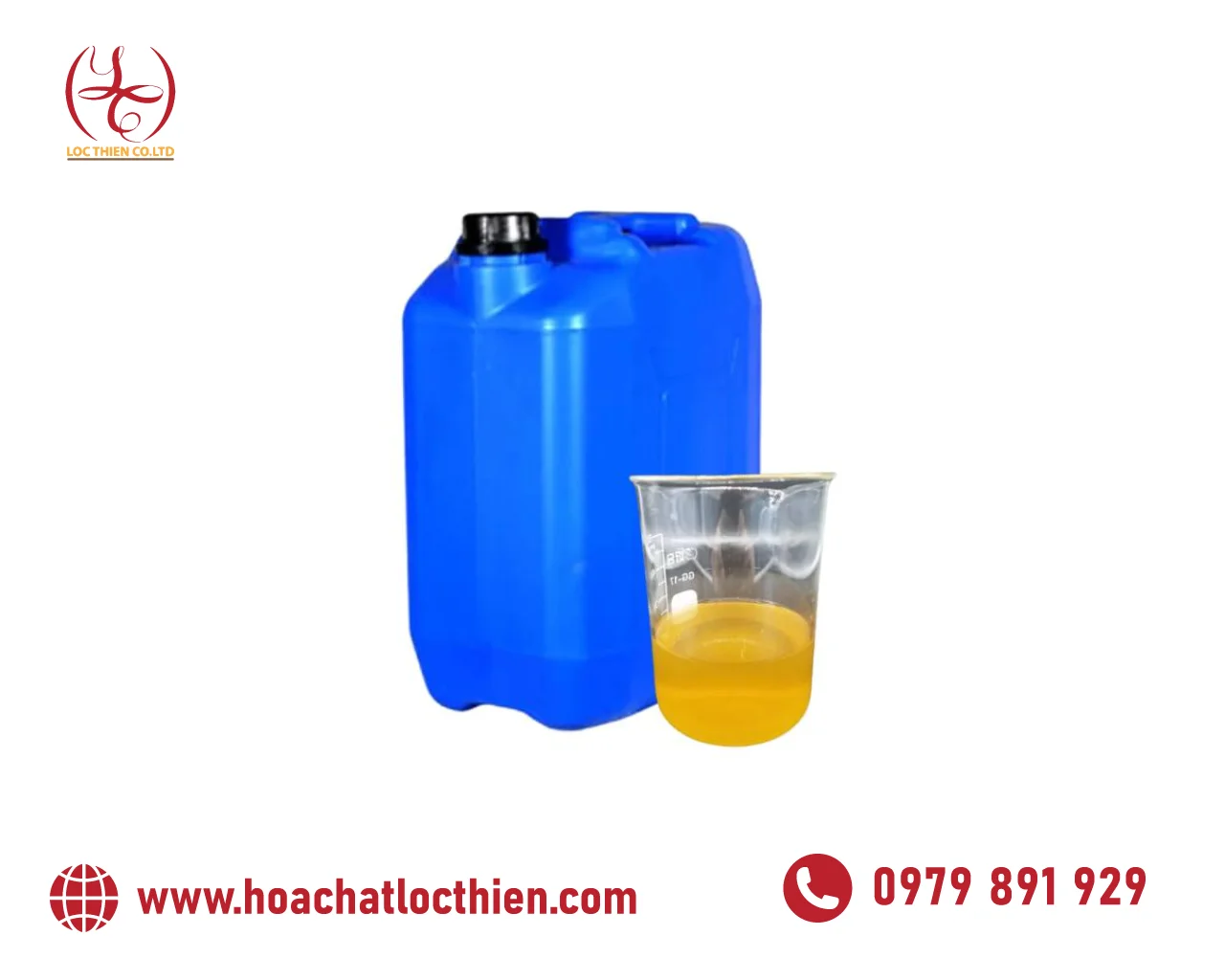
TL;DR: PAC (Poly Aluminium Chloride) is a specialized coagulant for swimming pool water, removing suspended solids that the filtration system cannot trap. Dosage 2–20 g/m³ depending on turbidity, maintain 1–2 times/week, shock treatment once/month. Combine PAC + Chlorine for clear water + simultaneous disinfection. Lộc Thiên supplies bulk PAC 31%, delivering to industrial parks nationwide (24–48 hours to southern and western industrial parks, 2–3 days to northern and central Vietnam).
What Is PAC and Its Coagulation Mechanism in Swimming Pools
PAC (Poly Aluminium Chloride), general formula [Al₂(OH)nCl6-n]m, is a highly polymerized inorganic coagulant. When dissolved in water, PAC releases polynuclear aluminum ions with a strong positive charge. These ions neutralize the negative charge of suspended particles (size 0.1–10 µm), disrupting the electrostatic repulsion between them. The result: small particles agglomerate into larger, heavier flocs that settle to the pool floor within 6–12 hours.
Unlike industrial wastewater ponds, swimming pool water has low organic load but is continuously affected by cosmetics, sweat, sunscreen, and dust. Therefore, PAC for swimming pools requires high purity with Al₂O₃ content ≥ 30% to avoid heavy metal contamination and yellow staining of mosaic tiles.
According to TCVN 9378:2012 and WHO guidelines, pool water after coagulation must achieve turbidity < 0.5 NTU and residual aluminum concentration < 0.2 mg/L.
PAC Dosage Table by Pool Volume
PAC dosage depends on three main factors: current turbidity, background pH, and water temperature. The table below applies to PAC with Al₂O₃ content ≥ 30% (powder form, white or light yellow).
PAC 30% Dosage — grams of powder per m³ of water
| Turbidity Level | PAC Dosage (g/m³) | 50 m³ Pool | 100 m³ Pool | 500 m³ Pool |
|---|---|---|---|---|
| Light turbidity (bottom visible but hazy) | 2–5 | 100–250 g | 200–500 g | 1–2.5 kg |
| Moderate turbidity (milky, bottom not visible) | 5–10 | 250–500 g | 500 g–1 kg | 2.5–5 kg |
| Heavy turbidity (milky white, after heavy rain) | 10–20 | 500 g–1 kg | 1–2 kg | 5–10 kg |
Quick calculation: PAC amount (grams) = Dosage (g/m³) × Pool volume (m³).
Example: 100 m³ pool with moderate turbidity → requires 500–1000 g PAC (~1–2 bags of 500 g).
Note: Do not exceed 20 g/m³ under any circumstances. PAC overdose causes charge reversal — colloidal particles redisperse finely and water becomes more turbid than before. Always start from the lowest dosage in the table and increase if needed.
pH adjustment: PAC works optimally at pH 6.5–8.0 (optimal pH 7.2–7.6). If pH > 8.5, aluminum converts to soluble Al(OH)₄⁻, completely losing coagulation effect — no amount of PAC will create flocs. Measure and adjust pH to 7.0–7.5 before dosing PAC.
PAC vs Alum for Swimming Pools
| Criterion | PAC (Poly Aluminium Chloride) | Alum (Al₂(SO₄)₃) |
|---|---|---|
| Al₂O₃ content | 10–31% | 7–9% (equivalent) |
| Optimal pH range | 6.5–8.0 (wide) | 6.0–8.5 (narrow, depends on alkalinity) |
| pH effect after treatment | Slight decrease 0.2–0.5 units | Strong decrease 0.8–1.5 units — requires alkalinity compensation |
| Floc formation rate | 2–5 minutes | 5–15 minutes |
| Floc size | Large, dense, settles easily | Smaller, fragile |
| Dosage | 2–20 g/m³ | 20–80 g/m³ |
| Sludge production | 40–50% less | Higher, increases filter load |
| Premium pool application (white mosaic tiles) | Safe — white PAC does not stain | Prone to yellowing at high doses |
Conclusion for pool operation: PAC outperforms alum in coagulation speed, 3–5 times lower dosage, minimal pH impact, and significantly reduced sludge requiring vacuuming. For pools with light-colored tiles, white Indian PAC (iron content < 0.01%) is mandatory to avoid yellow staining.
PAC Usage Frequency: Maintenance and Shock Treatment
PAC Maintenance — 1–2 times/week
Applied when pool water is clear (turbidity < 1 NTU) but maximum clarity is desired. Low dosage: 2–5 g/m³. Timing:
- End of day, after swimmers have left
- Before routine backwash
- After adding fresh water (topping up 30% volume or more)
Procedure: dilute PAC 1:10 with clean water → spread evenly across the pool surface → run circulation pump at low flow for 1–2 hours → turn off pump → allow settling for 6–8 hours → vacuum floor.
PAC Shock Treatment — Once/month
Applied when water is moderate to heavily turbid, or after heavy rain, sudden bather load, or algae growth. High dosage: 10–20 g/m³.
Correct shock sequence:
- Shock Chlorine (dosage 10–15 ppm) — wait 4–6 hours for microbial disinfection
- Adjust pH to 7.0–7.5
- Prepare high-dose PAC + spread evenly
- Circulate for 1–2 hours, turn off pump
- Settle overnight (minimum 8–12 hours)
- Thoroughly vacuum floor + backwash filter twice
- Check pH and residual chlorine before allowing swimming again
PAC + Chlorine Combination — Standard Coordinated Procedure
PAC and Chlorine have different functions: PAC coagulates for clarity, Chlorine oxidizes for disinfection. Using them simultaneously at the wrong time reduces the effectiveness of both.
Principle: Chlorine first — PAC later — with ≥ 4 hours between them.
| Step | Chemical | Action | Time |
|---|---|---|---|
| 1 | Chlorine (NaOCl, TCCA, Chlorine 70) | Shock dose 10–15 ppm | 4–6 hours |
| 2 | pH adjustment (pH-, pH+) | Bring pH to 7.0–7.5 | Check after 15 minutes |
| 3 | PAC | Mix + spread + circulate 1–2 hours | Settle 6–12 hours |
| 4 | — | Vacuum floor + backwash | After settling is complete |
| 5 | Recheck | pH 7.2–7.6, residual chlorine 1–3 ppm | Before swimming |
Do not mix PAC with Chlorine in the same container — the reaction produces toxic chlorine gas. Never dose PAC while people are swimming.
For pools using sand or cartridge filtration systems, proper PAC + Chlorine combination reduces backwash frequency by 40–50% by limiting sludge penetration into the filter media.
Reference case study: A resort in Vũng Tàu (150 m³ pool) became heavily turbid after heavy rain, turbidity > 10 NTU. The operations team shocked with Chlorine 12 ppm, waited 5 hours, adjusted pH from 8.2 to 7.3, then dosed PAC at 15 g/m³. After 10 hours of settling, water was crystal clear (< 0.4 NTU), requiring no extra backwash beyond the scheduled 3-day cycle. Saved 60% treatment time compared to the old method (dosing PAC before Chlorine — requiring 3 repeat treatments).
PAC Storage for Swimming Pools
Powder PAC must be stored in a dry, well-ventilated place, away from moisture and direct sunlight. Ideal storage temperature: 5–35°C. Opened PAC bags must be sealed tightly after each use — PAC absorbs moisture, reducing Al₂O₃ content and solubility. Shelf life: 12 months from manufacturing date (stated on bag and batch COA).
Liquid PAC (10–17% concentration) should be stored in HDPE plastic or composite tanks, avoiding metal tanks as PAC is mildly acidic (pH 3.5–5.0) and may cause corrosion.
Frequently Asked Questions
How long after dosing PAC can swimming resume?
After 8–12 hours of settling and vacuuming the floor, check pH 7.2–7.6 and residual chlorine 1–3 ppm — once these meet standards, swimming is safe.
Pool water still turbid after using PAC — why?
Three main causes: pH > 8.5 (PAC cannot form flocs); underdose or overdose; Chlorine not applied first — live algae are not coagulated.
Can PAC be used for saltwater pools?
Yes. PAC works well in both fresh and saltwater. For saltwater pools, increase dosage by 10–20% compared to the table, as high salinity affects coagulation.
Which type of PAC is best for swimming pools?
White Indian PAC (Al₂O₃ ≥ 30%, high purity, iron < 0.01%) is suitable for all pool types. Yellow PAC (Al₂O₃ 10–18%) is cheaper and can be used for darker-tiled pools.
Does frequent PAC use require sand filter replacement?
No. PAC does not damage filter sand. However, regular backwashing after each coagulation is needed to prevent sludge buildup in the filter tank.
🛒 Need PAC 31% for swimming pool water treatment? Get a quote for PAC Poly Aluminium Chloride 31% — batch COA/MSDS, nationwide IP delivery. Hotline 0979 891 929.
=====
QC: Phan Cẩm Thùy & Võ Thị Như Hòa. Batch COA.