
Implementing ZDHC in Textile Dyeing Plants: Chemical and Wastewater Checklist
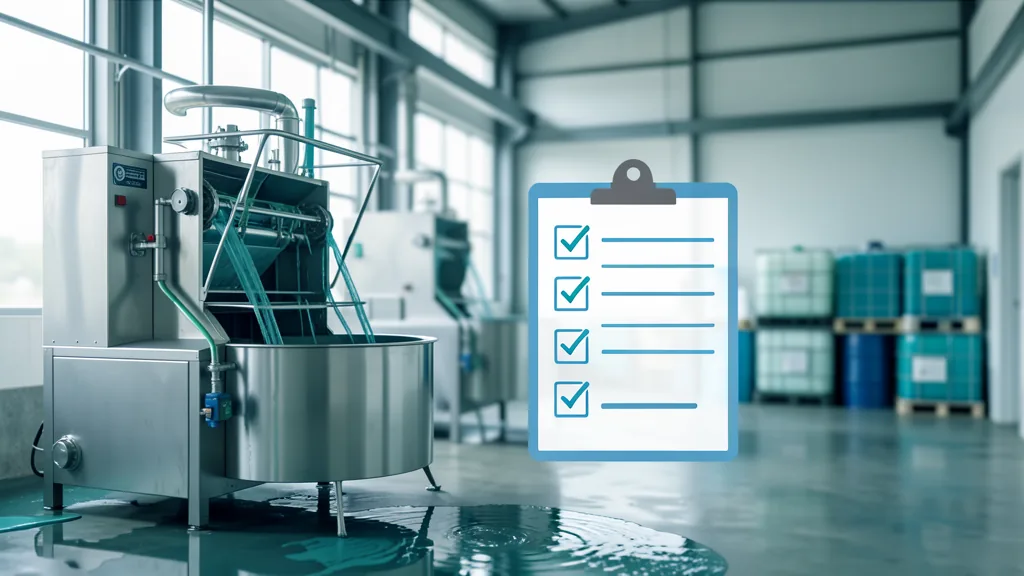
Table of contents
- ZDHC Responsibility Chain
- Chemical Inventory (CIL) & InCheck Checklist
- When to Request ChemCheck / Level 1–3 from Suppliers
- Textile Wastewater: ZDHC Guidelines vs QCVN
- Textile Chemicals Commonly Flagged in Audits/Wastewater
- Documentation Package for Supplier RFQs
- Common Operational Gaps Despite "Paper ZDHC"
- FAQs
- Where should dyeing mills start ZDHC implementation?
- How does MRSL V3.1 differ from RSL?
- Is Gateway mandatory or brand-driven?
- Is ChemCheck for mills or chemical products?
- Do FeCl2 / PAC relate to ZDHC and textile wastewater?
- Does QCVN 13 (or applicable standard) compliance satisfy ZDHC wastewater?
- How can textile SMEs participate without compliance teams?
- What documents does Loc Thien provide per order?
- Closing · Contact Loc Thien
Implementing ZDHC in textile dyeing plants isn't just about "getting certificates"—it's about operating with clean chemicals and controlling wastewater according to brand requirements—avoiding dirty inventory, failed audits, and lost export orders.
This program follows MRSL V3.1, ZDHC Gateway/ChemCheck, InCheck and Wastewater Guidelines; for an overview see What is ZDHC. Loc Thien Chemicals supports textile/wastewater chemical supply with batch-specific COA/MSDS documentation and ZDHC/MRSL packaging when requested by customers or brands.
- Clean inputs: establish CIL (chemical inventory), cross-check against MRSL V3.1 / ChemCheck before purchasing.
- Brands often check Level 1–3 on Gateway and product evidence, not just supplier claims.
- Wastewater and sludge must follow program testing—ZDHC Wastewater Guidelines don't replace Vietnam's QCVN standards.
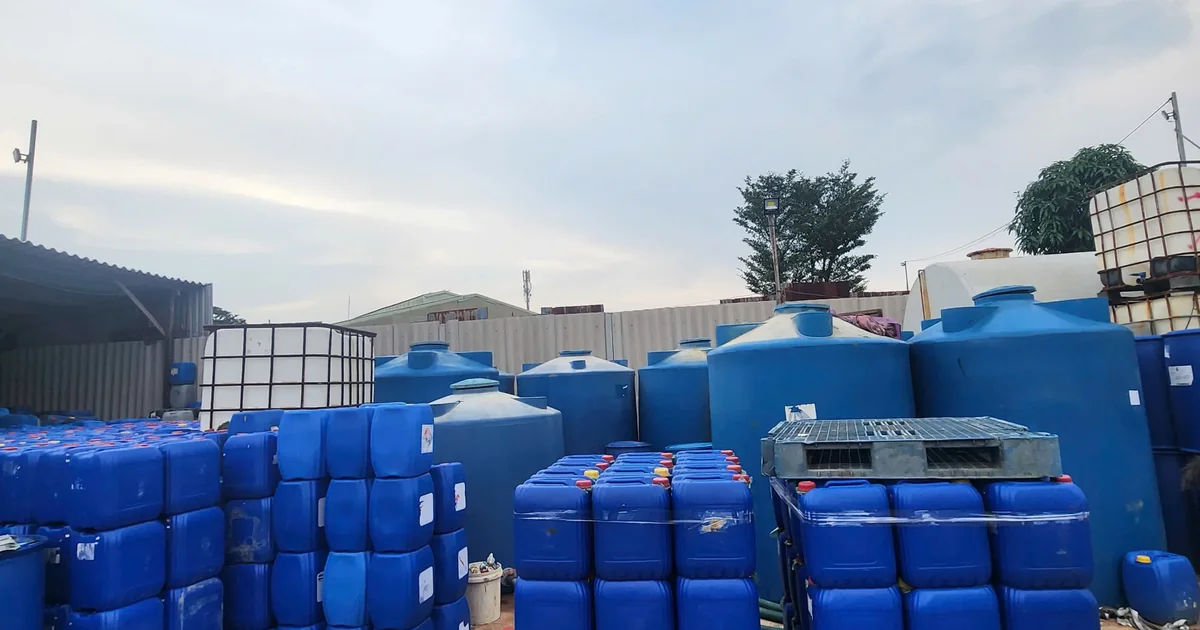
Many wet processing plants in Binh Duong Province, Dong Nai Province, and Ho Chi Minh City are adopting ZDHC due to buyer/brand requirements. In practice, delays often stem from three issues: uncleaned chemical warehouse data, batch documents mismatching declared inventory, and wastewater testing only chasing QCVN without brand-specific schedules. This checklist guides engineers, compliance teams, and purchasers—clarifying who does what, what to ask suppliers, and which chemical groups commonly trigger audit issues.
ZDHC Responsibility Chain
ZDHC Foundation's Roadmap to Zero aims to reduce hazardous chemicals in supply chains. In textile dyeing operations, responsibilities are shared: brands set requirements, wet mills operate CIL/InCheck and wastewater systems, while suppliers provide correct products + batch documentation.
| Role | Key Responsibilities | Commonly Requested Evidence |
|---|---|---|
| Brand / Buyer | Sets MRSL, minimum Levels, audit frequency, and applies Wastewater Guidelines thresholds to orders | Supplier code of conduct; RFI; InCheck/WW test deadlines |
| Wet Mill | Chemical inventory; removes/restricted substances; CMS; wastewater/sludge testing; syncs InCheck | CIL; batch certificates; WW lab reports; Internal/verified InCheck (per brand) |
| Chemical Supplier | Provides correct grades; COA/MSDS; supports ChemCheck/Gateway registration per batch when requested | Batch COA, SDS, packing list; Product Level/ChemCheck (not "factory Level" claims) |
Table summarizes actual brand–mill–supplier audits. For program modules and tool versions, consult the official ZDHC portal (roadmaptozero).
Chemical Inventory (CIL) & InCheck Checklist
CIL (Chemical Inventory List) is the implementation backbone: one line = one chemical/SKU in use (including trial samples, backup stock, ETP chemicals). InCheck cross-references inventory with ZDHC Gateway data—brands often require periodic internal InChecks or verified packages per contracts.
Typical mill implementation sequence:
- Assign responsible departments (technical + warehouse + ETP + purchasing); standardize CIL template.
- Scan all wet process warehouses, ETP storage, lab chemicals—record trade names, brands, CAS if available, usage points (scour, bleach, dye, finish, WW).
- Categorize: compliant / needs supplemental docs / potentially restricted per MRSL V3.1 → prioritize removal or substitution.
- Enforce no warehouse entry without batch SDS + COA (or brand-specified packaging).
- Input clean CIL into InCheck per brand schedule; confirm quarterly "deltas" (new/retired chemicals).
- Link each SKU to suppliers, active batch numbers, expiry dates, and tank locations—for traceability during audit failures.
Common pitfalls: "clean-on-file" CILs with unlabeled leftover drums, old samples, or "off-book" ETP chemicals. Brand auditors typically check these first before trusting InChecks.
When to Request ChemCheck / Level 1–3 from Suppliers
ChemCheck applies to chemical product formulations verified against MRSL, not "textile mill certifications." ZDHC Levels 1–3 reflect product documentation/testing completeness per supplier program roadmaps—brands may mandate minimum Levels for chemical groups (dyes, auxiliaries, WW chemicals...).
Clarify with suppliers when: brand supplier guidelines require Level ≥1 or ≥3; chemicals are high-risk (colorfast, oil carriers, solvents, strong cleaners); or buyers demand Gateway searchability before first deliveries. Avoid assumptions: "supplier claims ZDHC" ≠ all catalog SKUs share same Level; one SDS covers multiple grades; old Level versions suffice under MRSL V3.1.
Loc Thien Chemicals does not broadly claim "ZDHC Level N / Supplier to Zero" for entire catalogs. We provide batch-specific COA, MSDS/SDS and ZDHC/MRSL/ChemCheck packaging when customers or brands request per order—include required Levels/tools in RFQs to avoid over/under-commitment.
Textile Wastewater: ZDHC Guidelines vs QCVN
Vietnamese mills must comply with QCVN (e.g., textile/industrial discharge permits). ZDHC Wastewater Guidelines are brand frameworks comparing pollution loads, sampling frequency, and additional parameters (including sludge guidance). Both systems coexist: QCVN compliance doesn't auto-satisfy ZDHC wastewater; conversely, ZDHC testing doesn't replace domestic permits/QCVN.
| Criteria | QCVN (VN) | ZDHC Wastewater Guidelines |
|---|---|---|
| Purpose | Legal/permitting compliance | Brand/supply chain requirements |
| Scope | By applicable permit type | Foundational/Progressive/Aspirational (per brand version) |
| Samples & Frequency | Regulatory monitoring schedules | Guideline + buyer sampling points/schedules |
| Sludge | Solid/hazardous waste regulations | Often included with CMS (chemical management system) |
| Input Chemicals | Indirect via ETP operation | Linked to MRSL + inventory (CIL/InCheck) |
Common errors: optimizing only QCVN discharge before inspections while brands require separate parameter sets/testing; or hastily changing coagulants/doses pre-audit without jar-testing, causing COD/color rebounds and ETP operator confusion. Coagulants—pH—oxidizers need lab SOPs with actual mill samples.
Textile Chemicals Commonly Flagged in Audits/Wastewater
Not all "restricted" chemicals originate from dyeing. Auditors scrutinize wet processes contributing COD/color/pH loads to ETPs. Key groups appearing in mill checklists + reference product links:
- Mercerization/scouring/neutralization alkalis: 45% liquid caustic soda NaOH—verify SDS, storage, and wastewater pH impacts.
- Acid processes/neutralization: hydrochloric acid (HCl)—risks ETP pH swings if dosing/tank cleaning is uncontrolled; see also HCl in Textile Dyeing.
- Bleaching/oxidizers: hydrogen peroxide H₂O₂ (and NaOCl if used)—oxidizer residuals affect downstream coagulation/decolorization.
- ETP coagulation–sedimentation: FeCl2 (ferrous chloride), PAC 31%, FeSO4 30%—often "mid-stream brand switches" cause floc variation; require COA % and re-jar-testing.
- Auxiliaries/dyes/finishes: cross-check MRSL V3.1 and product Levels/ChemChecks—brands scrutinize these more than ETP helper chemicals.
For quick textile line chemical checks, see our textile chemicals catalog and common textile chemicals overview. FeCl2 applications and textile coagulation cases are detailed in FeCl2 in Textile Dyeing and PAC for Textile Wastewater Treatment.
| Group | Common Audit Triggers | Pre-Audit Checks |
|---|---|---|
| NaOH / acid processes | Wastewater pH; unlabeled stock/SDS gaps | Tank labels, CIL, ETP dosing logs |
| H₂O₂ / oxidants | Coagulation interference; storage safety | FIFO, COA, dilution SOPs |
| FeCl2 / PAC / FeSO4 | COA % deviations; floc/sludge changes → WW failures | Jar-tests + batch COA + CIL alignment |
| Dyes & auxiliaries | MRSL restrictions; product Levels | ChemCheck/Gateway per buyer SKUs |
Documentation Package for Supplier RFQs
Textile purchasers often send vague "ZDHC MRSL v3.1 Level 1 conformant chemicals" RFQs—leading to audit documentation gaps. Minimum request package when sourcing chemicals (process + ETP):
- Batch-specific COA (key concentrations/properties; not generic catalog specs).
- SDS/MSDS current versions, matching trade names and codes.
- Packaging: drums/bags/IBCs/tankers; lead times; storage conditions.
- When brands require: confirmation of ChemCheck / Gateway registration / MRSL V3.1 packaging support for specific SKUs—on-request, not assumed for entire catalogs.
- Traceability: batch codes, MFG/EXP dates, original supplier if repackaged.
Loc Thien operates : supplying textile chemicals and ETP chemicals with batch COA/MSDS; ZDHC/MRSL packaging when orders/brands specify. No public retail pricing here—quotes based on needs, volumes, and delivery locations.
Common Operational Gaps Despite "Paper ZDHC"
Many "ZDHC-kickstarted" mills still fail audits due to execution gaps:
- Inventory-reality mismatches: CILs missing new/ETP chemicals; undocumented off-book drums.
- Expired/mixed batches: COA for batch A, pumping batch B—% deviations → WW/floc failures, misread as "MRSL issues."
- One-time WW testing: no seasonal/dye-code repeats; brands see "clean snapshots" but worsening trends.
- Paper-only CMS: SOPs exist but untrained shifts; no warehouse entry locks.
- Supplier overclaims: trusting "certified" marketing without verifying Gateway Levels/SKUs.
Cost-effective fixes: tighten CIL–InCheck loops, link COA–tanks–dosing logs, re-jar-test coagulant changes, and clarify brand–mill–supplier responsibilities as per the opening table.
FAQs
Where should dyeing mills start ZDHC implementation?
Begin with clean inventory (CIL) and CMS ownership, then InCheck, MRSL V3.1 substitutions, and brand wastewater/sludge testing. Seeking "certificates" before cleaning warehouses usually fails second-round audits.
How does MRSL V3.1 differ from RSL?
MRSL restricts substances in input chemicals and mill formulations; RSL typically checks finished product residues (apparel). For Level, Gateway and program module details, refer to the ZDHC definitions linked earlier—we won't rehash "What is ZDHC" here.
Is Gateway mandatory or brand-driven?
Vietnamese law doesn't "require ZDHC Gateway" like environmental permits. Practically, brands/buyers mandate Gateway, InCheck and Wastewater Guidelines testing via contracts or supplier manuals.
Is ChemCheck for mills or chemical products?
ChemCheck verifies supplier products/formulations against MRSL, not "mill certifications." Mills maintain inventory + approved chemical lists; suppliers provide product documentation.
Do FeCl2 / PAC relate to ZDHC and textile wastewater?
Yes—primarily via ETP operation (COD, color, turbidity, sludge) and COA/SDS chains in CILs. Using FeCl2 or PAC with proper COA + jar-testing stabilizes discharge when brands audit WW; they don't replace MRSL roles for dyes/aux.
Does QCVN 13 (or applicable standard) compliance satisfy ZDHC wastewater?
Not automatically. QCVN is the domestic framework; ZDHC Wastewater Guidelines have parameters, frequency and foundational/progressive tiers per brand. Mills typically address both legal and supply chain streams.
How can textile SMEs participate without compliance teams?
Minimum viable: 1 CIL owner, inventory templates, lock SDS/COA before warehousing, prioritize high-risk chemical swaps, outsource brand-aligned WW testing, and request suppliers to prepare documentation matching order Levels—no need for "10-person compliance departments" on day one.
What documents does Loc Thien provide per order?
orders: batch COA, MSDS/SDS, packaging & lead time; when customers/brands request, we support ZDHC/MRSL packages or ChemChecks for specific products. Technical/purchasing hotline: 0979 891 929.
Closing · Contact Loc Thien
Sustainable ZDHC implementation in dyeing mills requires three layers: clean inputs (MRSL V3.1 + CIL/InCheck), honest batch documentation with suppliers, and wastewater/sludge meeting both QCVN and brand guidelines. Process and ETP chemicals (NaOH, HCl, H₂O₂, FeCl2, PAC, FeSO4…) should share inventory systems—not separate "dye chemicals" from "wastewater chemicals" on paper.
Loc Thien Chemicals partners with purchasers and engineers: supplying textile chemicals, providing batch COA/MSDS and on-request documentation. Contact 0979 891 929 for RFQs (chemical names, concentrations, volumes, locations, and brand requirements if any)—we respond to actual mill needs, without publishing retail prices here.
Technical Support & B2B Procurement Hotline
Loc Thien Chemical specializes in direct manufacturing of FeCl₂ / FeCl₃ and direct industrial supply of basic chemicals (NaOH, HCl, H₂SO₄, PAC, NaOCl, H₂O₂, FeSO₄) with direct B2B pricing and dedicated 5–30-ton tanker delivery across Vietnam.
- Hotline / Zalo: +84 979 891 929
- Official Email: [email protected]
- Direct Manufacturer: Ferrous Chloride (FeCl₂ 30%) & Ferric Chloride (FeCl₃ 38–40%)
- Primary Supplier: NaOH 32%/45%/50%/99%, HCl 32%, H₂SO₄ 98%, PAC 30–31%, NaOCl 10–12%, H₂O₂ 35%/50%
- Compliance & Quality: FeCl₂ ZDHC MRSL v3.1 test report (Smart testing, 5 substance groups, TUV Rheinland Vietnam), ISO 9001:2015, Quatest 3, Full COA & GHS SDS