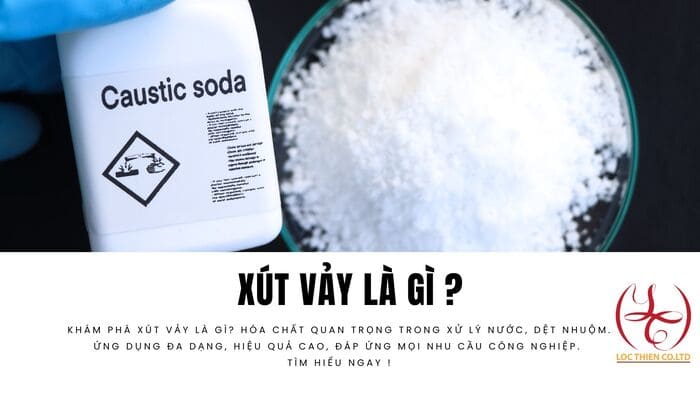
Caustic soda flakes (Sodium Hydroxide – NaOH, CAS: 1310-73-2) is a strong alkaline compound in the form of white solid flakes, highly soluble in water, widely used in wastewater treatment, paper production, textile dyeing, and the chemical industry.
Caustic soda flakes, also known as Sodium Hydroxide (NaOH), is an indispensable chemical in many industrial fields, from water treatment, paper production, textile dyeing to the food and cosmetics industries. With its strong alkalinity, flexible reactivity, and diverse applications, caustic soda flakes not only optimize production efficiency but also play a crucial role in ensuring quality and safety standards. So, what are caustic soda flakes, what are their specific properties and applications, and how to choose high-quality caustic soda flakes? Let’s explore all of this in the article below to gain a deeper understanding of this versatile chemical.
What are caustic soda flakes?
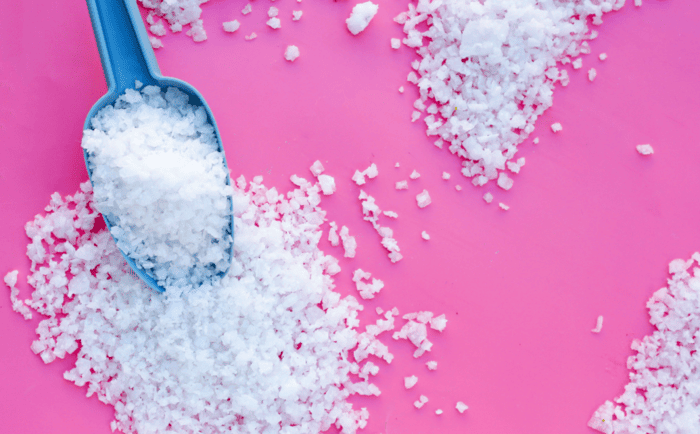
Caustic soda flakes, or Sodium Hydroxide (NaOH, CAS: 1310-73-2), is a solid form of caustic soda created through the evaporation of a concentrated NaOH solution. This solid form typically appears as thin, white flakes, odorless, and highly soluble in water. When dissolved in water, caustic soda flakes generate heat, making it a highly corrosive chemical.
Differences between caustic soda flakes and other forms of caustic soda
Caustic soda flakes (solid NaOH):
Characteristics: Solid, easy to store and transport, less prone to decomposition when stored correctly.
Applications: Suitable for industrial chemical production, water treatment, food processing, and paper production.
Packaging: Typically packaged in 25kg bags or larger.
Liquid caustic soda (NaOH solution):
Characteristics: Available in solution form with varying concentrations, easy to use but more difficult to store than caustic soda flakes.
Applications: Often used directly in water treatment systems and chemical production without the need for dissolution.
Advantages of caustic soda flakes over other forms
Longer storage: Solid form is less prone to absorbing CO₂ or moisture from the air when stored correctly.
Common types of caustic soda flakes on the market today
Caustic soda flakes are currently classified into main types such as industrial, food-grade, pharmaceutical, and laboratory-grade, each meeting specific standards and applications, from water treatment, paper production to food processing and chemical research.
Type of caustic soda flakes
Purity
Main applications
Industrial
≥ 98%
Water treatment, paper production, industrial chemicals
Food-grade
≥ 99%
Food processing, equipment cleaning
Pharmaceutical-grade
≥ 99.5%
Drug production, cosmetics
Laboratory-grade
≥ 99.5%
Research, chemical experiments
Industrial caustic soda flakes: With purity ≥ 98%, industrial caustic soda flakes are highly corrosive, suitable for wastewater treatment, paper production, textile dyeing, and industrial chemicals. Additionally, it is used for metal surface cleaning and production line sanitation.
Food-grade caustic soda flakes: Meeting food safety standards with higher purity, food-grade caustic soda flakes are commonly used for equipment cleaning, grease removal, and food surface treatment such as vegetables.
Pharmaceutical-grade caustic soda flakes: Meeting medical standards, free from harmful impurities. This type is mainly used in drug production, cosmetics, and medical equipment sterilization, ensuring absolute hygiene and safety.
Laboratory-grade caustic soda flakes: With very high purity, typically above 99.5%, laboratory-grade caustic soda flakes are used in chemical research, experiments, and the preparation of specific compounds in laboratories.
Loc Thien is proud to be a leading unit in Vietnam in the field of importing and distributing NaOH as well as products like NaOH 99, especially NaOH from China. Our caustic soda flakes are directly imported from reputable manufacturers in China, ensuring high quality, meeting international standards, and suitable for various industries and applications.
Production process of caustic soda flakes
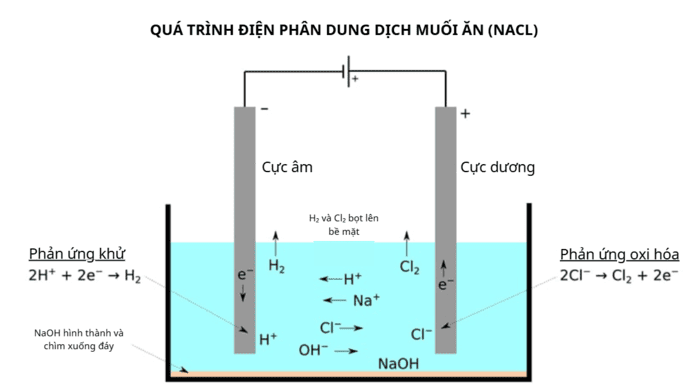
Caustic soda flakes (Sodium Hydroxide - NaOH) are primarily produced through the electrolysis of brine (NaCl). This is a modern, energy-efficient process that ensures high quality.
Electrolysis process of brine (NaCl):
2NaCl + 2H₂O → 2NaOH + Cl₂↑ + H₂↑
Step 1: Dissolve table salt (NaCl) in water to create a saturated brine solution.
Step 2: Use a diaphragm electrolysis cell to separate the solution, producing NaOH, chlorine gas (Cl₂), and hydrogen gas (H₂).
Step 3: Concentrate the NaOH solution to the desired concentration (30-50%).
Step 4: Form caustic soda flakes by evaporating water from the concentrated NaOH solution, then cooling and cutting into flakes.
Step 5: Recover chlorine and hydrogen gases for use in other industries.
Practical applications
Water treatment: Caustic soda flakes help neutralize acids, adjust pH, and remove heavy metals in wastewater treatment systems, ensuring safe discharge standards.
Paper production: Used for wood bleaching, lignin breakdown in pulp production, and impurity removal in paper recycling, enhancing product quality.
Textile dyeing: Used for cleaning and treating fibers to enhance gloss, softness, and prepare fabrics for dyeing, ensuring colorfastness.
Food industry: Used for cleaning processing equipment, grease removal, animal hair removal, and surface treatment of vegetables, ensuring food safety.
Chemical production: A raw material for producing soap, detergents, sodium carbonate, sodium hypochlorite, and other industrial chemicals.
Oil and gas industry: Helps clean equipment, treat natural gas to remove harmful impurities like CO₂ and H₂S, improving oil product quality.
Cosmetics and pharmaceuticals: Used in producing products like soap, facial cleansers, and medical equipment sterilization, ensuring hygiene and safety standards.
Protective equipment: Use chemical-resistant gloves, safety goggles, and a respirator along with anti-corrosion protective clothing when handling directly.
Storage: Keep away from acids, strong oxidizers, store below 25°C, avoid moisture and direct sunlight.
Emergency handling: Rinse immediately with clean water for at least 15 minutes and seek medical attention promptly.
Caustic soda flakes, with their outstanding features and diverse applications, play a vital role in many essential industries. From water treatment, paper production, textile dyeing to food and cosmetics, caustic soda flakes not only optimize production processes but also deliver high economic efficiency. To ensure quality and effectiveness, choosing a reliable supplier is crucial.
Loc Thien Chemicals Co., Ltd. is proud to be a distributor of high-quality caustic soda flakes, meeting international standards, with extensive warehouse facilities and professional services. We are committed to providing the best products at competitive prices, ready to meet all customer needs.
Let Loc Thien become your trusted partner on the journey to sustainable business development!
Are caustic soda flakes a hazardous chemical?
Caustic soda flakes (NaOH) are not hazardous when used correctly and safety measures are followed. However, due to their strong corrosiveness, direct contact with skin, eyes, or inhalation of dust can cause severe irritation and damage. Therefore, protective equipment must always be worn when handling.
How to handle spilled caustic soda flakes?
In case of a spill, handle by: Wearing full protective gear, using a mild neutralizing agent like a weak acid (vinegar or citric acid) to neutralize the caustic soda before cleanup, collecting the flakes with appropriate tools, then rinsing the area thoroughly with water. Avoid direct contact with the flakes throughout the process.
Do caustic soda flakes have an expiration date?
Caustic soda flakes do not have a specific expiration date, but if not stored properly, their chemical properties may degrade. The flakes easily absorb moisture and CO₂ from the air, leading to reduced quality. Therefore, store the product in sealed packaging in a dry, cool place.
Can I use caustic soda flakes at home?
Caustic soda flakes can be used at home for specific purposes like unclogging drains, cleaning tile surfaces, or removing grease. However, extreme caution is required; wear gloves, safety goggles, and avoid inhaling fumes. Do not use caustic soda flakes on sensitive surfaces like aluminum or glass, as it may cause damage.
What precautions should be taken when transporting caustic soda flakes?
When transporting caustic soda flakes, adhere to the following safety requirements: Seal the packaging to prevent exposure to air and moisture. Keep away from flammable substances, acids, or other strong reactive chemicals. Ensure the transport vehicle is equipped with adequate safety measures, such as proper ventilation or firefighting equipment.
How to identify high-quality caustic soda flakes?
High-quality caustic soda flakes typically have the following characteristics: Uniform white color, free from impurities, clearly labeled purity (≥ 98% or 99%), and quality certifications from the manufacturer such as ISO.
Which supplier should I choose for reliable caustic soda flakes?
Choose a reputable supplier like Loc Thien Chemicals Co., Ltd., a specialized importer and distributor of caustic soda flakes meeting international standards with clear origins. Additionally, Loc Thien provides professional technical support and transportation services, ensuring peace of mind when using our products.