Sodium Hypochlorite Solution NaOCl 10%–12% (ZDHC Level 1) vs Calcium Hypochlorite Powder Ca(OCl)2 70%: Industrial Wastewater Disinfection, Dosing & GHS Safety
Table of contents
Select Sodium Hypochlorite solution NaOCl 10%–12% w/v available chlorine (CAS 7681-52-9, ZDHC MRSL v3.1 Level 1 #248162921-04) for automated scale-free wastewater metering and FDI textile bleaching; select Calcium Hypochlorite powder Ca(OCl)₂ ≥ 70% w/w (CAS 7778-54-3) for 12–24-month dry storage or remote industrial sites.
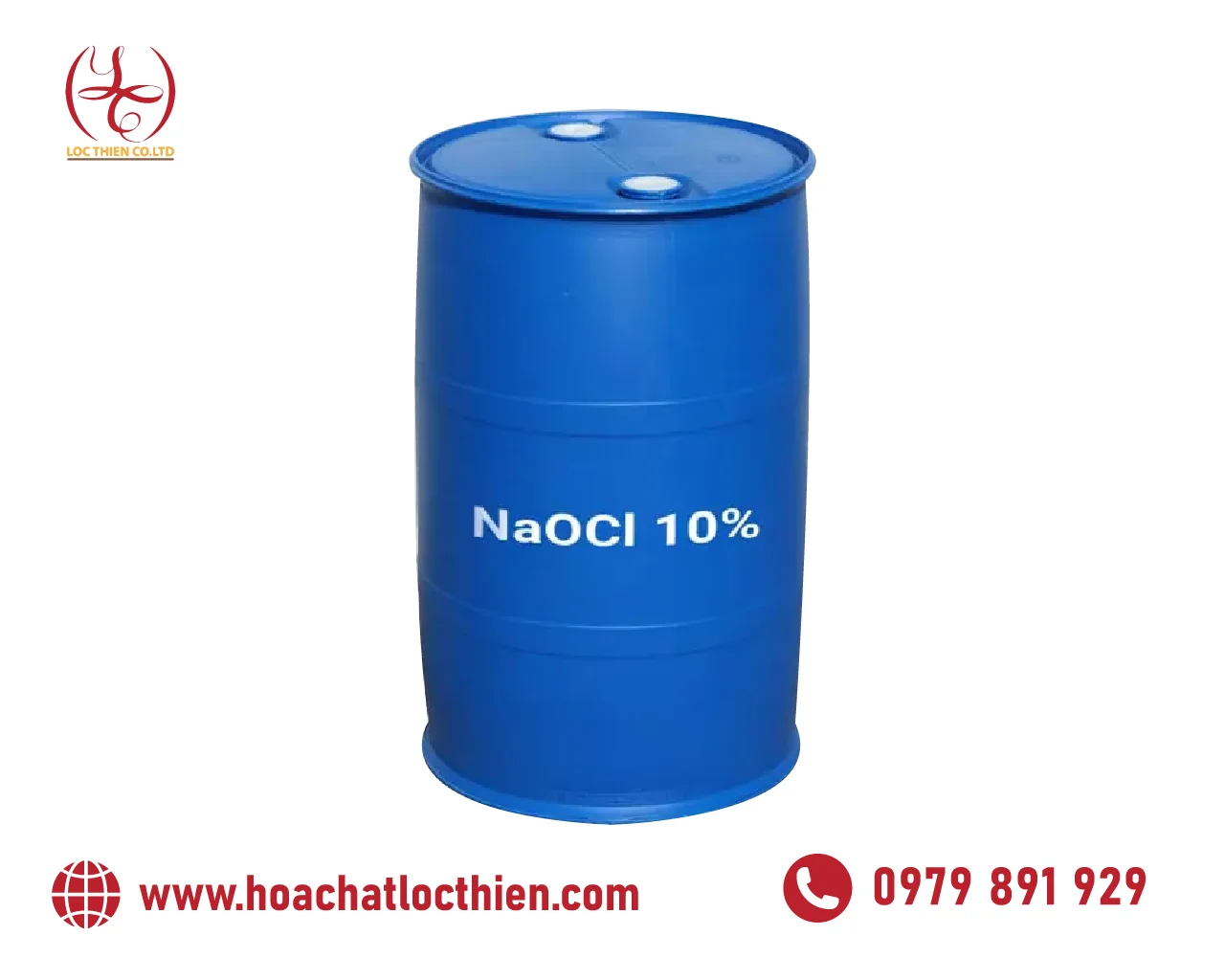
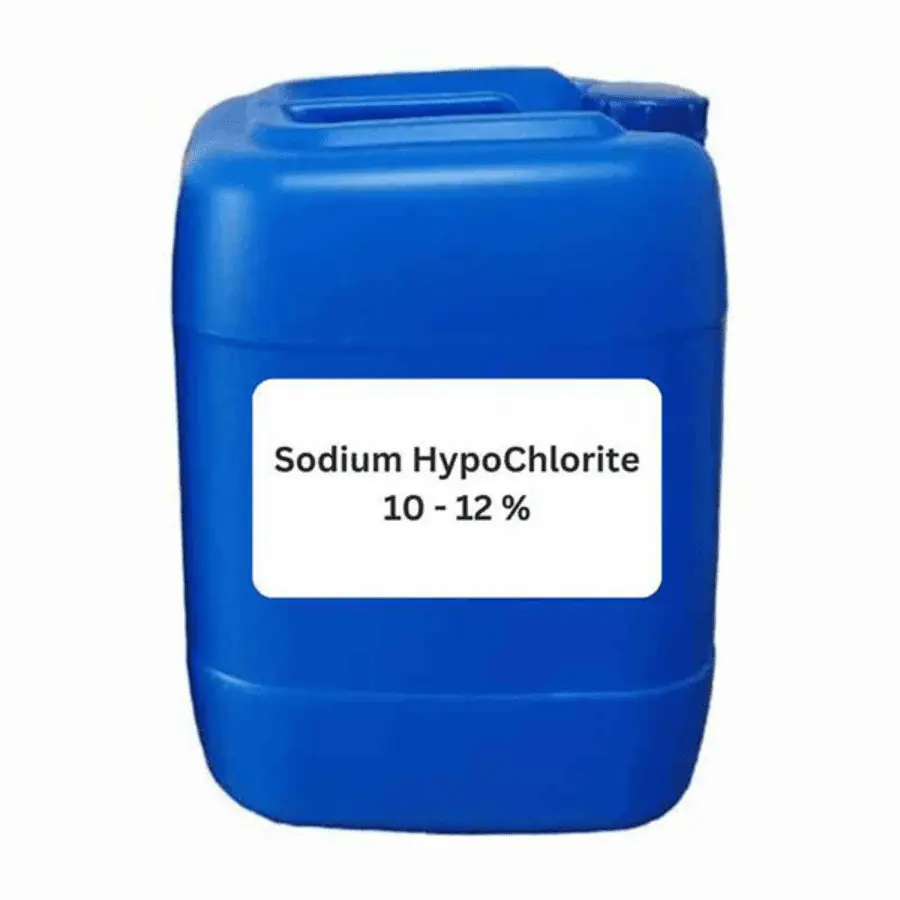
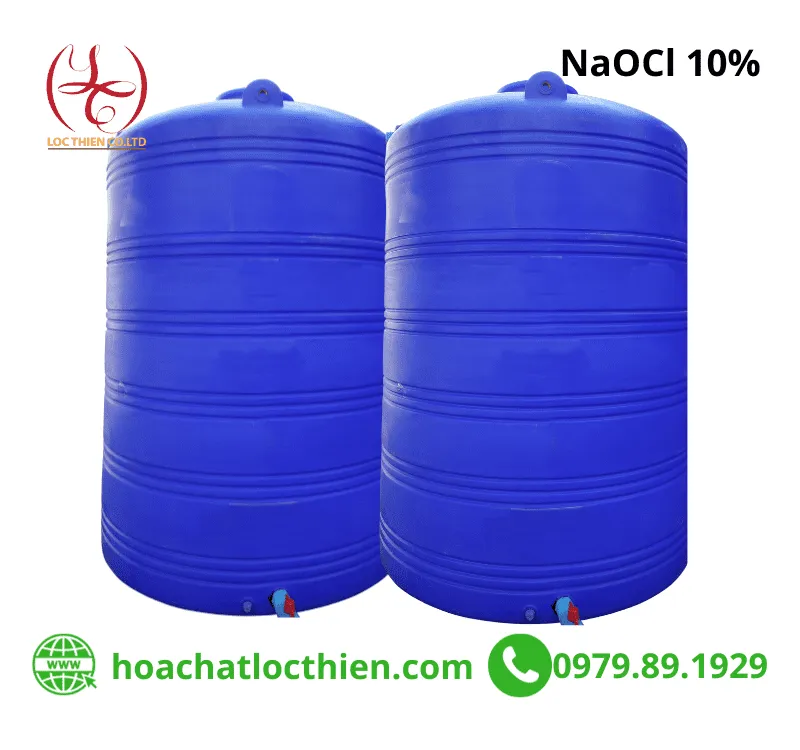
Loc Thien Chemical supplies both commercially via 5–30-ton tankers, 1,000 L IBCs (≈ 1,200 kg net), and 40–45 kg drums with batch COAs from 6 warehouses.
Request an official technical quotation & compliance dossier in 15 minutes: Contact our B2B Engineering Desk via Email [email protected], 24/7 Hotline / Vietnamese Zalo +84 979 891 929, or submit our Online Wastewater Disinfection RFQ Form to receive
TÜV Rheinland #248162921-04documentation, batch COAs, and site-specific dosing guidance.
How Do Sodium Hypochlorite Solution NaOCl 10%–12% w/v and Calcium Hypochlorite Powder Ca(OCl)₂ 70% w/w Differ in Physicochemical Properties, Shelf Life, and ZDHC Compliance?
Sodium hypochlorite solution NaOCl 10%–12% w/v available chlorine (widely traded in Vietnam as industrial Javel solution, CAS 7681-52-9, UN 1791, GHS Hazard Class 8) and granular/powder Calcium Hypochlorite Ca(OCl)₂ ≥ 70% w/w (CAS 7778-54-3, UN 2880, GHS Hazard Class 5.1) both generate the same active hypochlorous bactericidal species (HOCl / OCl⁻) once dissolved in water, yet they differ fundamentally in physical form, concentration basis, tropical storage stability, dangerous-goods transport class, and international textile supply-chain certification.
Within industrial chemical procurement across Vietnam’s sodium hypochlorite (Javel / NaOCl) portfolio, commercial liquid grades such as Sodium Hypochlorite NaOCl 10% and Sodium Hypochlorite NaOCl 12% are specified on a weight-by-volume available chlorine basis (% w/v available chlorine). Specifically, NaOCl 10% w/v delivers 100 g available Cl₂ per liter of solution (equivalent to approximately 8.33% w/w at a specific gravity of 1.20 g/cm³ at 20 °C), while NaOCl 12% w/v delivers 120 g available Cl₂ per liter of solution (equivalent to approximately 10.0% w/w at 1.20 g/cm³ at 20 °C). Industrial NaOCl exhibits a specific gravity of 1.18–1.22 g/cm³ at 20 °C, a strongly alkaline pH of 12.0–13.5, and 0.5%–1.5% residual free caustic soda (NaOH) engineered to stabilize OCl⁻ ions against premature decomposition.
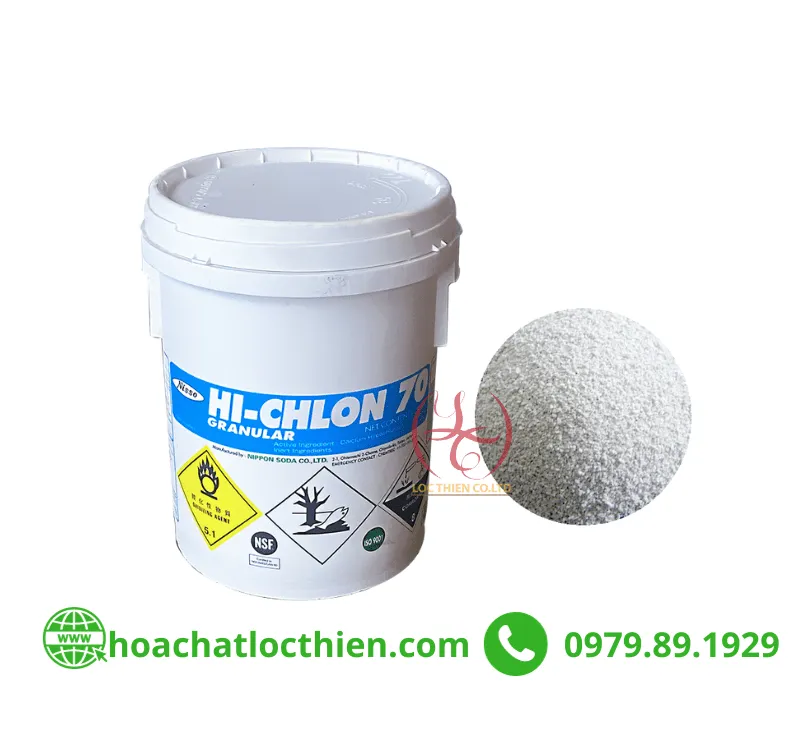
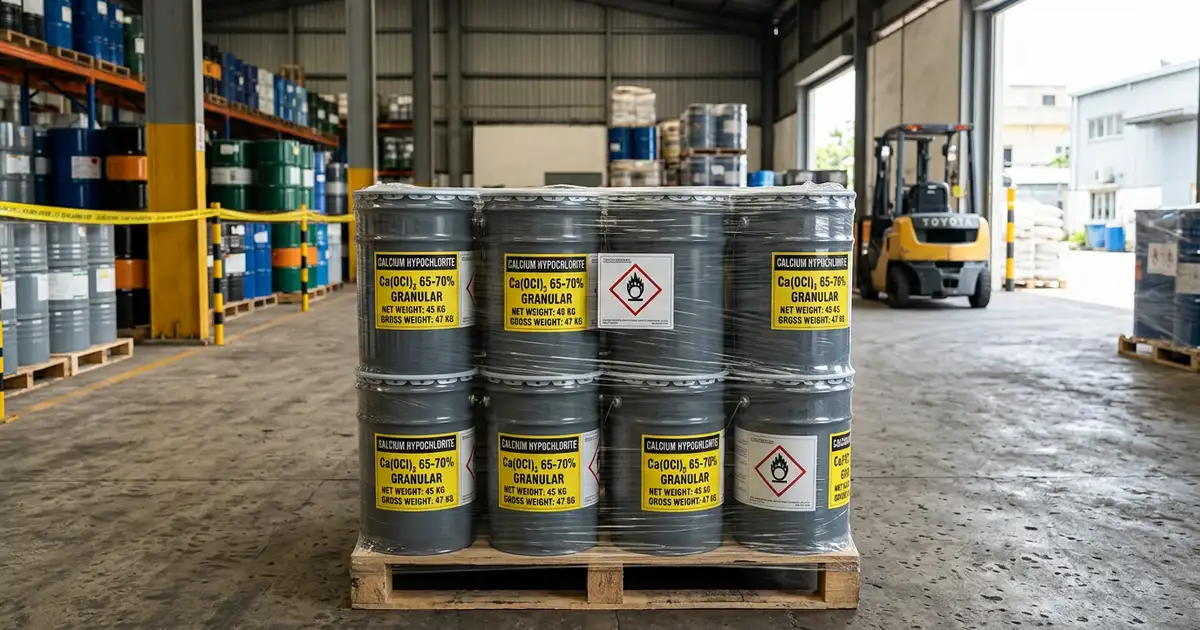
Conversely, high-test Calcium Hypochlorite Ca(OCl)₂ ≥ 70% w/w manufactured via the modern low-insoluble Sodium Process concentrates oxidizing power into a dry white-to-off-white granular solid delivering at least 700 g available Cl₂ per kilogram of powder (≥ 70.0% w/w), with 4%–10% hydration moisture for thermal stabilization. However, water-insoluble residue levels vary substantially across the three authorized commercial brands distributed by Loc Thien Chemical: Japanese flagship Hi-Chlon 70 (Nippon Soda – Japan, 45 kg drum) achieves ultra-low insolubles (≤ 0.1%–1.0%), standard industrial Aquafit 70 (India, 45 kg drum) maintains ≤ 1.5%–2.0% insolubles, and cost-effective Dolphin Brand Chlorine (Ca Heo – China, 40 kg / 45 kg drum) carries ≤ 2.5%–3.0% water-insoluble matter.
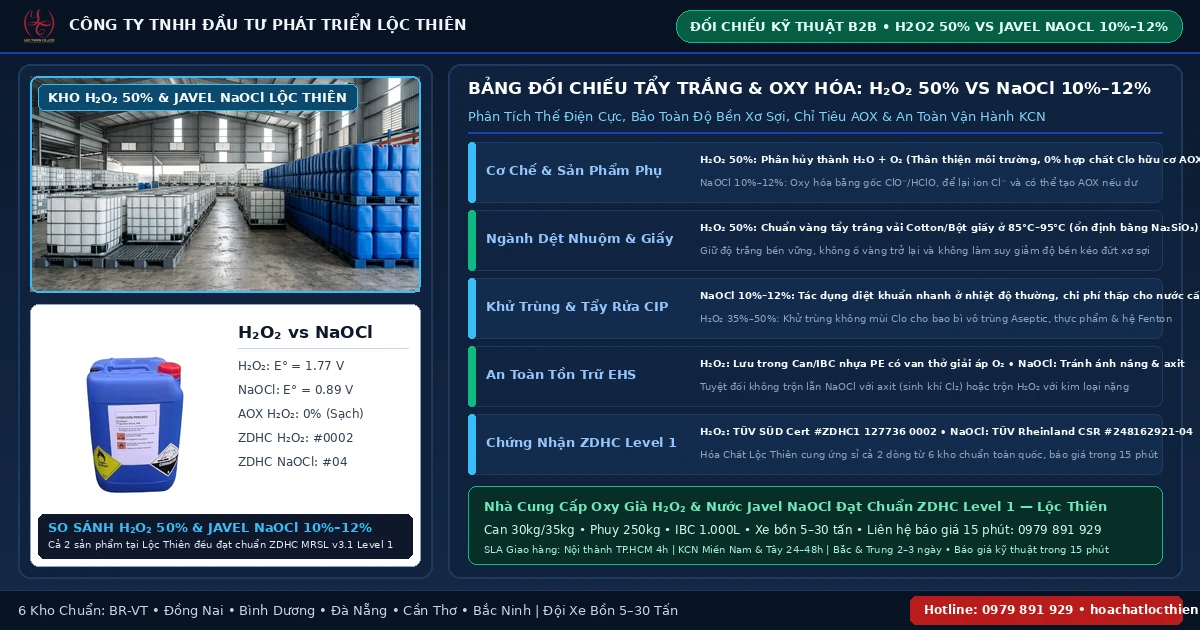
For export-oriented FDI textile dyeing, garment washing, and footwear finishing plants, procurement and EHS managers must enforce a strict, non-negotiable ZDHC portfolio boundary: at Loc Thien Chemical, Sodium Hypochlorite solution (NaOCl) holds ZDHC MRSL Version 3.1 Conformance Level 1 — verified by Conformance Summary Report (CSR) and Analytical Test Report No. 248162921-04 issued by TÜV Rheinland Vietnam to LOC THIEN INVESTMENT DEVELOPMENT COMPANY LIMITED. By contrast, Calcium Hypochlorite powder Ca(OCl)₂ 70% is NOT included among Loc Thien’s 9 ZDHC-certified products — under no circumstances may ZDHC conformance claims be assigned to Ca(OCl)₂ 70%. FDI dyehouses registering chemical inventories on the ZDHC Gateway (CIL) must therefore standardize exclusively on NaOCl 10%–12% w/v.
| Technical & Regulatory Criterion | Sodium Hypochlorite Solution NaOCl 10%–12% w/v (Supplied by Loc Thien) | Calcium Hypochlorite Powder/Granules Ca(OCl)₂ ≥ 70% w/w (Supplied by Loc Thien) | Engineering & Procurement Implication |
|---|---|---|---|
| Chemical Formula & CAS No. | NaOCl (aqueous alkaline solution) · CAS 7681-52-9 | Ca(OCl)₂ (white/off-white granules or powder) · CAS 7778-54-3 | Sodium salt is 100% water-miscible; calcium salt introduces hardness ions |
| UN Number & GHS Hazard Class | UN 1791 · GHS Class 8 (Corrosive liquid) | UN 2880 · GHS Class 5.1 (Strong Oxidizing Solid, hydrated) | Dictates completely separate warehouse fire codes and DG transport permits |
| Available Chlorine Assay Basis | 10%–12% w/v = 100–120 g available Cl₂/L (≈ 8.33%–10.0% w/w at 1.20 g/cm³) | ≥ 70.0% w/w = ≥ 700 g available Cl₂ per kg of dry product | Always normalize unit quotes to cost per kg of active Cl₂ delivered |
| Specific Gravity at 20 °C & pH | SG 1.18 – 1.22 g/cm³ at 20 °C · Solution pH 12.0 – 13.5 | Bulk density 0.80 – 0.95 g/cm³ · 1% solution pH 10.5 – 11.5 | One 1,000 L IBC of NaOCl weighs ≈ 1,200 kg net liquid, never 1,000 kg |
| Free Alkali / Moisture & Insolubles | 0.5%–1.5% residual NaOH stabilizer; clear liquid with 0% calcium sludge | Moisture 4%–10%; insolubles: Hi-Chlon ≤ 0.1%–1.0%, Aquafit ≤ 1.5%–2.0%, Dolphin ≤ 2.5%–3.0% | Insoluble residue governs mixing tank decanting and strainer cleaning intervals |
| Tropical Storage Stability | Short rotation: recommended 15 – 30 days inventory turnover at < 30 °C, UV-shielded | Long shelf life: 12 – 24 months in cool, dry sealed drums (< 2%–3%/year loss) | NaOCl suits scheduled monthly tanker drops; Ca(OCl)₂ excels for remote buffer stock |
| Metering Pump Failure Mode | Micro-bubble oxygen (O₂) off-gassing causes diaphragm pump air-lock without degassing valves | Ca²⁺ ions react with carbonate alkalinity to deposit hard CaCO₃ scale in check valves and injectors | Drives pump head selection (Auto-Degassing vs clarify-and-decant feed tanks) |
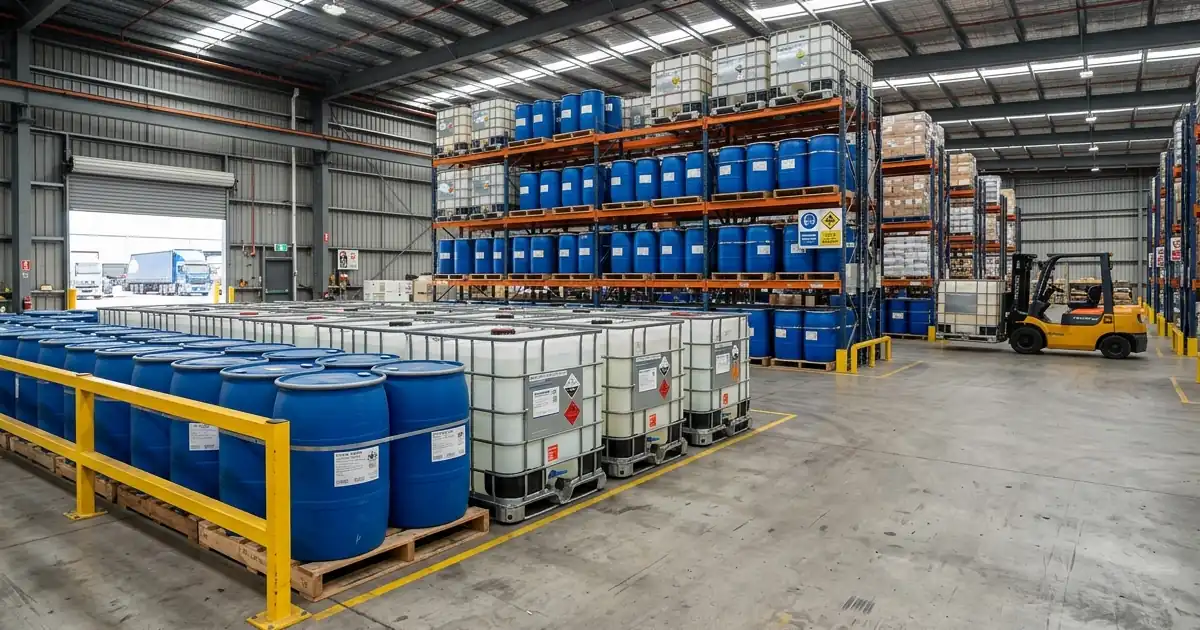
| Commercial Packaging Formats | 30 kg jerrican, 250 kg drum, 1,000 L IBC (≈ 1,200 kg net), 5–30-ton road tankers | Sealed 40 kg or 45 kg UN-rated HDPE drums with inner moisture-barrier PE liner | Bulk road tankers eliminate 100% of manual drum lifting and powder exposure |
| Vietnam 2026 Chemical Law Status | Conditional Industrial Chemical (Appendix II, Item 656 of Decree 24/2026/ND-CP) | Regulated Class 5.1 oxidizer; 16-section GHS SDS required per Circular 01/2026/TT-BCT | Transport governed by Decree 161/2024/ND-CP and Decree 25/2026/ND-CP |
| ZDHC MRSL v3.1 Conformance | Certified ZDHC MRSL v3.1 Conformance Level 1 (TÜV Rheinland CSR & Report #248162921-04) | NOT included in Loc Thien’s 9 ZDHC-certified products | Export FDI textile dyeing and washing mills must select NaOCl 10%–12% |
| Loc Thien Supply Positioning | Commercial bulk wholesale supplier (batch COA, 5–30-ton dedicated tankers) | Authorized commercial wholesale distributor (Japan, India, China origins) | Transparent corporate chain of custody stocked across 6 regional warehouses |
Note: Exact analytical values for each delivery batch are verified against the accompanying Certificate of Analysis (COA).
How Does the pH-Dependent HOCl/OCl⁻ Equilibrium Govern Coliform Disinfection, CaCO₃ Scaling, and Metering Pump Vapor Lock?
Disinfection efficacy for both Sodium Hypochlorite solution NaOCl 10%–12% w/v and Calcium Hypochlorite powder Ca(OCl)₂ 70% w/w inside a secondary effluent chlorine contact tank is governed by the weak-acid dissociation equilibrium between undissociated hypochlorous acid (HOCl) and hypochlorite anions (OCl⁻). Upon dosing into wastewater, both reagents hydrolyze to yield free available chlorine while raising local alkalinity slightly:
- For
Sodium Hypochlorite:NaOCl + H₂O ⇌ HOCl + Na⁺ + OH⁻ - For
Calcium Hypochlorite:Ca(OCl)₂ + 2H₂O ⇌ 2HOCl + Ca²⁺ + 2OH⁻ - Governing dissociation equilibrium:
HOCl ⇌ H⁺ + OCl⁻(pKa ≈ 7.54 at 25 °C)
Because HOCl carries zero net electrical charge and possesses a compact molecular radius comparable to water, it penetrates the negatively charged phospholipid cell walls of Coliform, E. coli, and pathogenic bacteria rapidly to oxidize essential sulfhydryl respiratory enzymes. By contrast, negatively charged OCl⁻ ions experience electrostatic repulsion at bacterial cell membranes. Environmental microbiology benchmarks establish that undissociated HOCl exhibits 80–100 times greater germicidal potency than OCl⁻ ions. Within an effluent window of pH 6.5 – 7.2, HOCl represents 70% – 90% of free residual chlorine, achieving reliable log-reduction within a 15–30 minute hydraulic contact time. Conversely, if alkaline textile or food-processing effluent enters the disinfection chamber at pH > 8.5, the active HOCl fraction plunges below 10%–12%, causing microbiological non-compliance even when overdosing chlorine.
Across industrial facilities sourcing water and wastewater treatment chemicals in Vietnam, plant operators must balance microbiological kill against residual oxidant limits under QCVN 40:2025/BTNMT (administered by Vietnam’s consolidated Ministry of Agriculture and Environment; existing facilities permitted prior to 01/09/2025 follow the statutory transition roadmap through 31/12/2031, with mandatory full enforcement starting 01/01/2032). Specifically, treated discharge must simultaneously achieve Coliform ≤ 3,000 MPN/100 mL (Column A) or ≤ 5,000 MPN/100 mL (Column B) while keeping Residual Chlorine ≤ 1.0 mg/L (Column A) or ≤ 2.0 mg/L (Column B). Furthermore, for export textile mills audited under ZDHC Wastewater Guidelines V2.2, maintaining disinfection pH near 6.8–7.2 and avoiding excessive free chlorine overdosing minimizes the formation of adsorbable organic halogens (AOX) and trihalomethanes (THMs) in discharged effluent.
From a mechanical and process-control standpoint in continuous 24/7 wastewater plants, engineers must address two distinct operational phenomena:
- Oxygen Off-Gassing (
Air-Lock) and Second-Order Chlorate Decay inNaOCl 10%–12% w/v: LiquidNaOClenables closed-loop, dust-free automation directly from bulk storage tanks to dosing points with0%calcium carbonate scaling. However, under tropical ambient temperatures exceeding> 30 °C, direct sunlight UV exposure, or trace transition-metal contamination (Fe, Cu, Ni),NaOClundergoes accelerated decomposition along two pathways: oxygen gas evolution (2NaOCl → 2NaCl + O₂↑) and second-order disproportionation into inactive chlorate salts (3NaOCl → 2NaCl + NaClO₃). TinyO₂micro-bubbles accumulating inside standard diaphragm pump heads compress and expand with each stroke without opening check valves — creating pump vapor lock (air-lock) and loss of disinfection feed. Best engineering practice mandates diaphragm metering pumps equipped with anAuto-Degassing Head, flooded-suction piping geometry, UV-opaque darkHDPEor vinyl-esterFRPtanks installed under shaded ventilated roofs, and disciplined15–30 dayinventory rotation. - Limestone Scaling (
CaCO₃) and Slurry Decantation inCa(OCl)₂ 70% w/wSystems: DissolvingCa(OCl)₂into make-up water containing natural bicarbonate hardness atpH 10.5–11.5precipitates calcium carbonate scale (Ca²⁺ + CO₃²⁻ → CaCO₃↓) alongside0.1%–3.0%native insoluble solids. Without clarification, hardCaCO₃crusts rapidly foul foot valves, ball check seats, flowmeters, and submerged injection quills. Reliable operation requires a dual-tank dissolve-and-decant arrangement: prepare a1%–3%solution in Tank A, settle quiescently for30–60 minutes, transfer only the clarified supernatant (15–20 cmabove bottom sludge) into Dosing Tank B, and schedule periodic offline injector descaling under strict neutral-water flushing protocols.
How Do Engineers Convert Available Chlorine Dosage and Monthly Procurement Mass? Technical Illustration for a 3,000 m³/Day Wastewater Plant
Accurate engineering and procurement comparison between liquid NaOCl 10%–12% w/v and dry Ca(OCl)₂ 70% w/w must normalize every calculation to kilograms of active chlorine (kg available Cl₂) delivered to the contact basin, while applying specific gravity at 20 °C when converting liquid liters into net kilograms. Warehouse and purchasing teams must never equate 1,000 L of NaOCl to 1 metric ton: at 20 °C, NaOCl 10%–12% w/v has a specific gravity of 1.18–1.22 g/cm³ (averaging 1.20 kg/L), meaning one 1,000 L IBC tote contains approximately 1,180 – 1,220 kg net liquid (≈ 1,200 kg or 1.20 metric tons net), supplying 100 kg (10% w/v grade) to 120 kg (12% w/v grade) of available chlorine.
Below is a Technical illustration (worked engineering example) (calculation model for an anonymized industrial park centralized wastewater treatment plant operating at 3,000 m³/day across 30 days/month = 90,000 m³/month):
- Design Disinfection Basis: Secondary biologically clarified effluent requires a reference chlorine dose of
5.0 mg/L(5.0 g active Cl₂/m³) to satisfy instantaneous chlorine demand and maintain0.5–1.0 mg/Lfree residual chlorine at the contact tank weir in compliance with Column A ofQCVN 40:2025/BTNMT. - Daily & Monthly Active Chlorine Requirement: Multiplying
3,000 m³/day × 0.005 kg/m³yields15.0 kg active Cl₂/day, or450.0 kg active Cl₂/monthover a30-dayoperating cycle. - Option 1A — Liquid
Sodium Hypochlorite NaOCl 10% w/v(0.10 kg Cl₂/L,SG 1.20 kg/L at 20 °C): Required metering pump flow is15.0 / 0.10 =150.0 L solution/day(6.25 L/hour), equal to180.0 kg solution/day. Over30 days/month, the plant consumes4,500 L/month(= 4.50 m³/month), corresponding to5.40 metric tons of solution/month(5,400 kg/month). A plant equipped with a6–8 m³UV-stabilizedHDPEbulk tank receives one dedicated5–6-tonroad tanker drop per month (within Loc Thien’s5–30-tontanker fleet) or4.5 IBC totes/month(ordered practically as5 × 1,000 L IBC totesper delivery cycle), running 100% automatically. - Option 1B — Liquid
Sodium Hypochlorite NaOCl 12% w/v(0.12 kg Cl₂/L,SG 1.20 kg/L at 20 °C): Required dosing volume drops to15.0 / 0.12 =125.0 L solution/day, or150.0 kg solution/day, totaling3,750 L/month(= 3.75 m³/month) and4.50 metric tons of solution/month— reducing storage footprint and transport mass by16.7%versus10% w/v. - Option 2 — Granular
Calcium Hypochlorite Ca(OCl)₂ 70% w/w(0.70 kg Cl₂/kg powder): Daily dry powder consumption is15.0 / 0.70 =21.43 kg powder/day, totaling642.9 kg powder/month(≈ 14.3 drums of 45 kg/month, procured practically as15 drums × 45 kgor16 drums × 40 kg). Prepared as a2%feed solution (20 kg powder per 1,000 L water), operators must manually weigh, dissolve, settle, and decant roughly1,071 L/dayof chlorine liquor while managing residual lime sludge.
| Engineering Comparison Metric (3,000 m³/Day Plant · 450 kg Active Cl₂/Month) | Liquid NaOCl 10% w/v (100 g Cl₂/L) | Liquid NaOCl 12% w/v (120 g Cl₂/L) | Hi-Chlon 70 Powder (Nippon Soda Japan · ≥ 70%) | Aquafit 70 (India) / Dolphin Brand (China · ≥ 70%) |
|---|---|---|---|---|
| Daily Commercial Chemical Feed | 150.0 L solution/day (180.0 kg solution/day) | 125.0 L solution/day (150.0 kg solution/day) | 21.43 kg dry powder/day | 21.43 kg dry powder/day |
| Monthly Procurement Mass (30 Days) | 5.40 metric tons solution/month (4,500 L/month) | 4.50 metric tons solution/month (3,750 L/month) | 642.9 kg powder/month (≈ 14.3 drums × 45 kg) | 642.9 kg powder/month (≈ 14.3 drums × 45 kg or 16.1 drums × 40 kg) |
| Optimal Delivery & Storage Mode | 1 × 5–6-ton tanker drop or 5 × 1,000 L IBC totes | 1 × 5-ton tanker drop or 4 × 1,000 L IBC totes | Palletized 45 kg sealed HDPE drums in dry Class 5.1 store | Palletized 45 kg (Aquafit) or 40 kg / 45 kg (Dolphin) drums |
| Insoluble Residue & Pump Maintenance | 0% CaCO₃ solids; install Auto-Degassing pump head | 0% CaCO₃ solids; maintain 15–25 day stock rotation | Ultra-low insolubles ≤ 0.1%–1.0%; minimal nozzle fouling | Insolubles 1.5%–3.0%; mandatory two-tank settling & decanting |
| Operator Labor & Hygiene Exposure | 100% closed-pipe PLC dosing; zero powder dust | 100% closed-pipe PLC dosing; smaller tank volume | Manual daily weighing, batch mixing & respirator PPE | Manual batch mixing, sludge blowdown & periodic injector descaling |
| Total Disinfection Cost Formula per 1 m³ Effluent | (Unit price/kg NaOCl × 0.060 kg/m³) + pump power | (Unit price/kg NaOCl × 0.050 kg/m³) + pump power | (Unit price/kg powder × 0.00714 kg/m³) + mixing labor + maintenance | (Unit price/kg powder × 0.00714 kg/m³) + mixing labor + descaling |
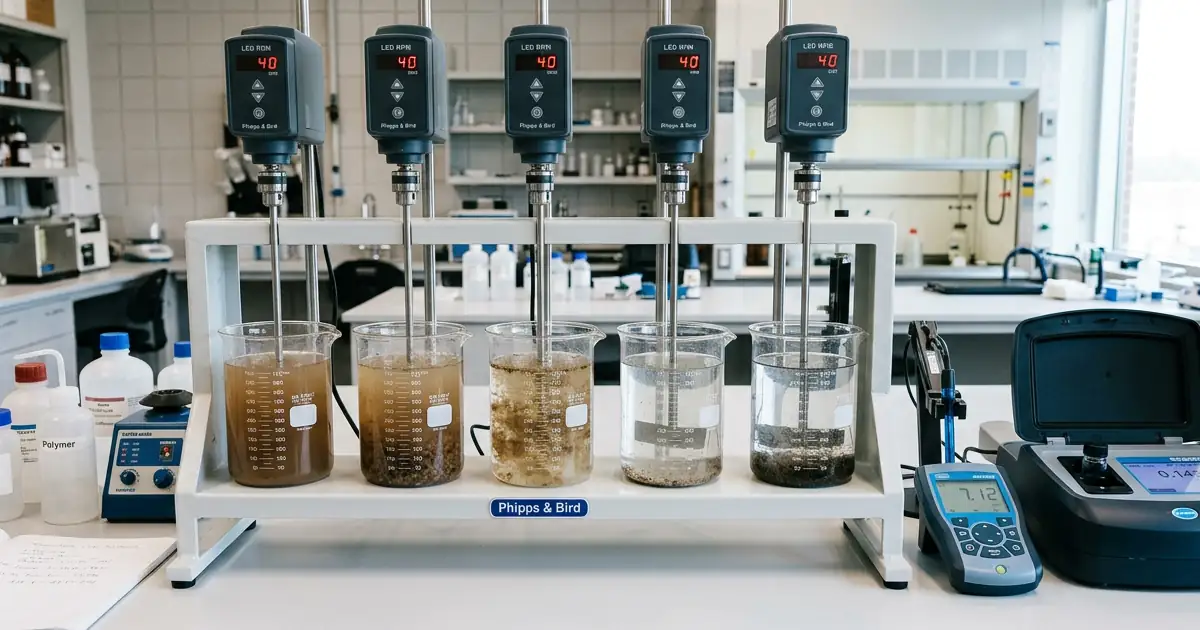
Mandatory Jar-Test & Chlorine Demand Verification: Typical industrial secondary effluent disinfection dosages span
3.0 – 15.0 mg/Lavailable chlorine, shifting significantly with residual ammonia (NH₄⁺), nitrite (NO₂⁻), ferrous iron (Fe²⁺), sulfide (H₂S), and soluble COD. Actual plant dosing rates must always be established through laboratory Jar-test and Breakpoint Chlorination trials on representative site wastewater samples. Estimate baseline metering pump flow rates using Loc Thien’s Online Chemical Dosing Calculator.
What GHS Safety Protocols, Acute Chlorine Gas Safeguards, and Material Compatibility Rules Govern NaOCl and Ca(OCl)₂ Storage?
Both Sodium Hypochlorite solution NaOCl 10%–12% w/v (UN 1791, GHS Class 8 Corrosive) and Calcium Hypochlorite powder Ca(OCl)₂ 70% w/w (UN 2880, GHS Class 5.1 Strong Oxidizer) present severe chemical incompatibility hazards inside multi-chemical wastewater treatment buildings. Strict physical containment segregation and written standard operating procedures are mandatory under plant EHS audits.
Emergency GHS Safety Warning #1 — STRICTLY PROHIBIT Contact with ANY Acid (Acute Lethal Chlorine Gas
Cl₂Evolution): Never co-store inside the same secondary containment bund, place tanker unloading couplings adjacent without mechanical key interlocks, connect shared floor drains/overflow lines, or reuse transfer hoses/pumps betweenSodium Hypochlorite (NaOCl)/Calcium Hypochlorite Ca(OCl)₂and any acidic reagent — includingHydrochloric Acid (HCl),Sulfuric Acid (H₂SO₄),Nitric Acid (HNO₃), as well as acidic metal coagulants such asFerric Chloride FeCl₃ 40%(pH < 1),Ferrous Chloride FeCl₂ 30%, andPAC! Acid contact immediately drives the reactionClO⁻ + Cl⁻ + 2H⁺ → Cl₂↑ + H₂O, releasing dense greenish-yellow Chlorine gas (Cl₂) that causes acute bronchospasm, pulmonary edema, and potentially fatal inhalation injury. Even during maintenance descaling ofCaCO₃-fouled chlorine dosing lines using dilute acid: operators must isolate valves, drain all hypochlorite solution, and flush thoroughly with clean water until neutralpH = 7is verified both BEFORE introducing dilute acid and AFTER acid cleaning! (Review acid segregation protocols in our companion guides: ZDHC Level 1 HCl 32% vs By-Product HCl and FeCl₃ 40% vs Ferrous Sulfate FeSO₄ in Wastewater Treatment).
Emergency GHS Safety Warning #2 — STRICTLY PROHIBIT Mixing Liquid NaOCl with Ca(OCl)₂ Powder or Contaminating
Ca(OCl)₂with Moisture, Oils, Organics, or Ammonium Salts: GranularCalcium Hypochlorite Ca(OCl)₂ 70%(UN 2880, Class 5.1 Strong Oxidizer) undergoes violent exothermic self-accelerating decomposition if contaminated or heated (> 175 °C, or at ambient temperature upon organic contact). Never mix liquidNaOClwithCa(OCl)₂powder; never allow roof leaks or wet scoops into openCa(OCl)₂drums; and strictly isolateCa(OCl)₂from pump lubricating oils, grease-stained rags, organic solvents, activated carbon, sulfur, and ammonia/ammonium compounds (NH₃ / NH₄⁺, which form shock-sensitive explosive nitrogen trichlorideNCl₃) to prevent spontaneous ignition, thermal runaway, or drum explosion! When preparing feed solutions fromCa(OCl)₂ 70%, always use a dedicated clean, bone-dry plastic scoop to slowly sprinkle dry powder into a tank already filled with cold, actively agitated water — NEVER pour small amounts of water onto dry powder!
For statutory EHS compliance under Vietnam’s 2026 chemical regulatory framework, plant managers must verify:
- GHS Hazard Statements & 16-Section SDS (
Circular 01/2026/TT-BCT):Sodium Hypochlorite NaOCl 10%–12% w/v(CAS 7681-52-9,UN 1791): Signal WordDanger;H290(May be corrosive to metals),H314(Causes severe skin burns and eye damage),H318(Causes serious eye damage),H400 / H410(Very toxic to aquatic life with long-lasting effects), andEUH031(Contact with acids liberates toxic gas). Access the full document at Sodium Hypochlorite Javel 12% SDS.Calcium Hypochlorite Ca(OCl)₂ 70% w/w(CAS 7778-54-3,UN 2880): Signal WordDanger;H272(May intensify fire; oxidizer),H302(Harmful if swallowed),H314(Causes severe skin burns and eye damage),H335(May cause respiratory irritation),H400(Very toxic to aquatic life), andEUH031. Access the full document at Calcium Hypochlorite Ca(OCl)₂ 70% SDS.
- Statutory Compliance under
Law on Chemicals No. 69/2025/QH15(effective01/01/2026) & Implementing Decrees (17/01/2026):Sodium Hypochlorite (NaOCl)is listed under Appendix II (Item656) ofDecree 24/2026/ND-CPas a conditional production and trading chemical (including mixtures containing> 5%by weight). Storage segregation, PPE (B/Echlorine/inorganic gas cartridge respirators, chemical splash goggles/face shields, gauntletNitrile/Neoprenegloves, chemical-resistant aprons/boots), emergency eyewash/shower stations within10–15 m, and Class 8 / Class 5.1 road transport must comply withDecree 25/2026/ND-CP,Decree 26/2026/ND-CP,Circular 01/2026/TT-BCT, andDecree 161/2024/ND-CP.
| Engineering Safety & Selection Dimension | Mandatory Specification for Liquid NaOCl 10%–12% w/v | Mandatory Specification for Granular Ca(OCl)₂ 70% w/w | Optimal Industrial Plant Selection Scenario |
|---|---|---|---|
| Compatible Wetted Tank, Pipe & Seal Materials | UV-stabilized dark HDPE, vinyl-ester FRP with corrosion barrier, Schedule 80 uPVC / CPVC piping, PTFE / PVDF / Viton (FKM) / EPDM elastomers, and vented tank caps for O₂ release | Original sealed UN HDPE drums on plastic pallets in cool < 30 °C room; HDPE / PP / FRP mixing & day tanks with plastic-coated agitator shafts | Choose Liquid NaOCl 10%–12% for centralized IP wastewater plants, food/beverage, pulp & paper, and medium-to-large factories (≥ 500 m³/day) prioritizing unmanned PLC automation |
| Strictly Prohibited Materials | Bare carbon steel, cast iron, copper (Cu), aluminum (Al), zinc (Zn), nylon, and austenitic stainless steels (SUS 304 / SUS 316) (rapid chloride/hypochlorite pitting plus catalytic O₂ tank over-pressurization by Fe, Cu, Ni ions) | Unlined steel tanks, bare steel/SUS 304 mixer shafts, rusty metal scoops, wooden pallets soaked with chemical spills, or cardboard/oily rags in the mixing bay | Choose ZDHC Level 1 NaOCl 10%–12% (#248162921-04) exclusively for export FDI textile dyeing, washing, and finishing mills requiring ZDHC Gateway compliance and zero calcium fabric spotting |
| Containment & Warehouse Segregation | Shaded, ventilated bunded tank farm (≥ 110% of largest tank volume), physically isolated from all acid bunds (HCl, H₂SO₄, FeCl₃, FeCl₂, PAC) and ammonium salts | Dedicated dry, cool Class 5.1 Oxidizer store away from heat sources, flammables, lubricants, acids, ammonia, and separated from liquid NaOCl bunds | Choose Hi-Chlon 70 (Japan) or Aquafit 70 (India) for compact water/effluent stations, remote highland/island plants beyond tanker radius, or 12–24-month monsoon emergency disinfection reserves |
| Standard Metering Skid Architecture | Solenoid/motor diaphragm pump with Auto-Degassing Head, short upward-sloping flooded suction line, back-pressure/anti-siphon valve | Dual dissolve-and-settle decant tanks, accessible Y-strainers, dedicated clean-water flush line, and ceramic/PTFE check valve seats | Choose Dolphin Brand Ca(OCl)₂ 70% (40 kg / 45 kg) for industrial aquaculture pond sanitation, perimeter hygiene, or treatment plants equipped with large settling basins |
What Supplier Qualification Documents, ZDHC Boundaries, 5 Price Drivers, and 6-Warehouse Logistics Support Does Loc Thien Chemical Provide?
Loc Thien Chemical (Loc Thien Investment Development Co., Ltd. — Tax ID 0313650856, Legal Representative & CEO: Tran Ngoc Quang) operates an ISO 9001:2015 and ISO 14001:2015 certified supply chain delivering 3,000+ metric tons/month of industrial chemicals across Vietnam. Upholding strict SSOT supply-chain transparency: for both Sodium Hypochlorite solution NaOCl 10%–12% w/v and Calcium Hypochlorite powder Ca(OCl)₂ 70% w/w (Hi-Chlon 70, Aquafit 70, Dolphin Brand), Loc Thien Chemical operates as a large-scale industrial chemical supplier and commercial wholesale distributor (Loc Thien is the direct manufacturer exclusively of FeCl₂ 30% solution and wastewater-grade FeCl₃).
QC Laboratory Field Note — QC Technician Phan Cam Thuy shares: “Because industrial Sodium Hypochlorite solution naturally loses active chlorine if exposed to heat or insufficient protective alkalinity, our QC laboratory performs iodometric titration using standardized 0.1 N Na₂S₂O₃ prior to lead-sealing every 5–30-ton road tanker or 1,000 L IBC batch (~1,200 kg net). We verify that available chlorine meets 100–120 g/L (10%–12% w/v), check specific gravity at 20 °C within 1.18–1.22 g/cm³, confirm 0.5%–1.5% residual NaOH stability on the batch COA, and attach TÜV Rheinland Vietnam Report No. 248162921-04 (ZDHC MRSL v3.1 Level 1) for FDI textile customers. For sealed 40–45 kg Calcium Hypochlorite 70% drums, we inspect UN drum seal integrity against moisture ingress and verify brand-specific insoluble matter specifications before dispatch.”
To streamline Approved Vendor List (AVL) onboarding for multinational FDI and domestic enterprises, our documentation aligns directly with three buying-committee functions:
- For Procurement Teams: Verified legal corporate standing (
Tax ID 0313650856; Legal Head Office at452/6B Tinh Lo 10, Binh Tri Dong Ward, Binh Tan District, Ho Chi Minh City— strictly administrative corporate headquarters, not a chemical storage warehouse). Immediate stock dispatch across 6 standardized regional warehouses: Ba Ria - Vung Tau Warehouse (Phu My 1 Industrial Park, Phu My), Dong Nai Warehouse (Long Thanh Industrial Park, Long Thanh), Binh Duong Warehouse (Tan Dong Hiep Ward, Di An City), Da Nang Warehouse (Hoa Khanh Industrial Park, Lien Chieu District), Can Tho Warehouse (Tra Noc Industrial Park, O Mon District), and Bac Ninh Warehouse (Tien Son Industrial Park, Tien Du District). Committed delivery SLAs: Inner Ho Chi Minh City within4 hours; Southern & Mekong Delta industrial parks within24–48 hours; Northern & Central Vietnam within2–3 days. Contact hotline +84 979 891 929 for detailed delivery scheduling procedures. - For Process & EHS Engineers: Freshly rotated
NaOCl 10%–12% w/vbatches, per-delivery batch COA, 16-section GHS SDS formatted underCircular 01/2026/TT-BCT,TÜV Rheinland #248162921-04(ZDHC MRSL v3.1 Conformance Level 1) exclusively forSodium Hypochlorite NaOCl(with clear compliance segregation confirmingCa(OCl)₂ 70%is outside ZDHC scope), lab samples forJar-testbreakpoint chlorination trials, and on-site tanker manifold safety audits. - For Finance & Accounting Teams: Compliant Vietnamese VAT e-invoice issued under
Decree 70/2025/ND-CP, transparent corporate bank-transfer documentation supporting input VAT credit under Vietnam’sVAT Law 2024, calibrated weighbridge tickets (kg/metric tonsnet), master supply contracts, and structured B2B credit terms.
Five Transparent Price Drivers for Bulk NaOCl & Ca(OCl)₂ Supply (Official Quotation in 15 Minutes, Zero Stale Online List Prices):
- Product Line, Concentration & Compliance Grade:
NaOCl 10% w/vvs12% w/v(includingZDHC Level 1textile dossier vs standard effluent grade), or brand origin selection amongCa(OCl)₂ 70%(Hi-Chlon 70 Japan,Aquafit 70 India,Dolphin Brand China). - Packaging Format & Unloading Mode: Dedicated
5–30-tonroad tankers eliminate drum/IBC packaging overhead forNaOClcompared with1,000 L IBC totes(≈ 1,200 kgnet),250 kgdrums, or30 kgjerricans; forCa(OCl)₂ 70%, unit pricing scales by full-pallet vs partial-pallet lots of40 kg / 45 kgdrums. - Monthly Volume & Freshness Delivery Cadence: Framework contracts scheduling split
NaOCltanker drops every15–20 daysmaximize active chlorine freshness while locking in wholesale tier rates. - Freight Distance from Nearest of 6 Warehouses & DG Class: Licensed Class 8 (
UN 1791) tanker transport or Class 5.1 (UN 2880) oxidizer box-truck transport compliant withDecree 161/2024/ND-CPandDecree 25/2026/ND-CP. - Documentation Scope & Payment Terms: Per-batch COA, third-party
Quatest 3verification,ZDHCCSR#248162921-04(forNaOCl), and agreed contract payment terms.
Included in every Loc Thien bulk quotation: Compliant hazardous-goods delivery to your plant gate, safe pumped unloading into storage tanks (for bulk NaOCl tankers), per-shipment batch COA, 16-section GHS SDS (Circular 01/2026/TT-BCT), and Vietnamese VAT e-invoice.
Evaluating an upgrade from manual Ca(OCl)₂ powder mixing to automated bulk NaOCl dosing? Contact our B2B Engineering Team via Email [email protected], Hotline / Vietnamese Zalo +84 979 891 929, or Request a 15-Minute Technical Quotation.
Frequently Asked Questions (FAQ)
Why is industrial Sodium Hypochlorite 10%–12% specified as % w/v available chlorine while Calcium Hypochlorite 70% is specified as % w/w?
In industrial chlor-alkali commerce, liquid Sodium Hypochlorite (NaOCl) is standardized by grams of available chlorine per liter of solution (% w/v): 10% w/v equals 100 g available Cl₂/L (≈ 8.33% w/w at SG 1.20 g/cm³ at 20 °C) and 12% w/v equals 120 g available Cl₂/L (≈ 10.0% w/w at 1.20 g/cm³). Because its specific gravity at 20 °C is 1.18–1.22 g/cm³, one 1,000 L IBC tote of NaOCl weighs approximately 1,180 – 1,220 kg net (≈ 1,200 kg), not 1,000 kg. Conversely, solid Calcium Hypochlorite Ca(OCl)₂ ≥ 70% is assayed directly by dry mass (≥ 700 g available Cl₂ per kg of powder).
Do both Sodium Hypochlorite NaOCl and Calcium Hypochlorite Ca(OCl)₂ from Loc Thien hold ZDHC MRSL v3.1 certification for FDI textile mills?
No — strictly only Sodium Hypochlorite Solution NaOCl 10%–12% supplied by LOC THIEN INVESTMENT DEVELOPMENT COMPANY LIMITED holds ZDHC MRSL Version 3.1 Conformance Level 1, verified under CSR & Analytical Test Report No. 248162921-04 issued by TÜV Rheinland Vietnam. Calcium Hypochlorite Ca(OCl)₂ 70% is NOT among Loc Thien’s 9 ZDHC-certified products, so FDI textile dyeing and garment washing plants requiring brand MRSL documentation must select NaOCl 10%–12% w/v.
How do wastewater plants prevent diaphragm pump air-lock with NaOCl and CaCO₃ pipeline scaling with Ca(OCl)₂ powder?
For NaOCl 10%–12% w/v, install diaphragm metering pumps with an Auto-Degassing Head, maintain flooded suction from shaded, UV-opaque HDPE tanks kept below 30 °C, and rotate stock within 15–30 days. For Ca(OCl)₂ 70% w/w, operate dual dissolve-and-settle tanks drawing only clarified supernatant; whenever descaling CaCO₃-fouled injectors offline with dilute acid, isolate all valves and flush thoroughly with clean water to neutral pH = 7 both before and after acid circulation to prevent lethal Chlorine gas (Cl₂) release.
When should a factory choose Japanese Hi-Chlon 70, Indian Aquafit 70, or Chinese Dolphin Brand Ca(OCl)₂ instead of bulk liquid NaOCl?
Choose Ca(OCl)₂ 70% drums when daily effluent flow is small, site access is remote from road tanker routes, or 12–24-month shelf-stable monsoon/emergency disinfection stock is required. Among the three grades, Hi-Chlon 70 (Nippon Soda – Japan, 45 kg drum) offers ultra-low insolubles (≤ 0.1%–1.0%) for precision dosing pumps; Aquafit 70 (India, 45 kg drum, ≤ 1.5%–2.0% insolubles) balances solubility and operating economy for water/wastewater stations; and Dolphin Brand (China, 40 kg / 45 kg drum, ≤ 2.5%–3.0% insolubles) suits large settling-tank systems and industrial aquaculture sanitation.
What packaging formats and regional delivery lead times does Loc Thien Chemical offer across Vietnam?
Loc Thien Chemical supplies NaOCl 10%–12% w/v in 30 kg jerricans, 250 kg drums, 1,000 L IBC totes (≈ 1,200 kg net), and 5–30-ton dedicated road tankers, alongside Ca(OCl)₂ 70% in sealed 40 kg / 45 kg UN drums from 6 warehouses in Ba Ria - Vung Tau, Dong Nai, Binh Duong, Da Nang, Can Tho, and Bac Ninh. Standard lead times: inner Ho Chi Minh City 4 hours; Southern & Mekong Delta industrial parks 24–48 hours; Northern & Central Vietnam 2–3 days, with formal technical quotes issued within 15 minutes. Contact hotline +84 979 891 929 for detailed delivery scheduling procedures.
Schedule Bulk NaOCl 10%–12% (ZDHC Level 1) or Ca(OCl)₂ 70% Delivery & Receive a 15-Minute Technical Quotation:
- Supplier: Loc Thien Investment Development Co., Ltd. (
Tax ID: 0313650856)- Legal Head Office:
452/6B Tinh Lo 10, Binh Tri Dong Ward, Binh Tan District, Ho Chi Minh City, Vietnam(corporate headquarters, not a storage warehouse)- 6 Regional Warehouses: Ba Ria - Vung Tau (
Phu My 1 IP) · Dong Nai (Long Thanh IP) · Binh Duong (Di An City) · Da Nang (Hoa Khanh IP) · Can Tho (Tra Noc IP) · Bac Ninh (Tien Son IP)- Email: [email protected] · 24/7 Hotline & Vietnamese Zalo: +84 979 891 929 · Online RFQ: Submit Quote & Batch COA Request