PAC 31% Spray-Dried Powder (ZDHC Level 1) vs Liquid PAC 10%–17%: Technical & Total Cost of Ownership (TCO) Guide for Industrial Water Treatment
Table of contents
Select spray-dried PAC 31% Al₂O₃ powder ([Al₂(OH)ₙCl₆₋ₙ]ₘ, CAS 1327-41-9) verified to ZDHC MRSL v3.1 Conformance Level 1 (TÜV Rheinland #248162921-05) for FDI textile mills or freight distances exceeding 250 km; select liquid PAC 17% or 10% Al₂O₃ (UN 3264) within a 150–200 km radius for automated pump dosing.
Loc Thien Chemical supplies 25 kg bags, 1,000 L IBC totes, and 5–30-ton road tankers with batch COAs across 6 warehouses nationwide.
Request an official technical quotation & ZDHC Level 1 dossier within 15 minutes: Contact our B2B Engineering Desk via Email [email protected], Hotline / Vietnamese Zalo +84 979 891 929, or submit our Online PAC Bulk RFQ Form to obtain
TÜV Rheinland VietnamReport#248162921-05, per-delivery batch COAs, and a site-specificAl₂O₃active-content conversion worksheet.
How Do Spray-Dried PAC 31% Powder, Liquid PAC 17%, and Liquid PAC 10% Differ Under QCVN 06A:2020/BCT and Circular 38/2026/TT-BCT?
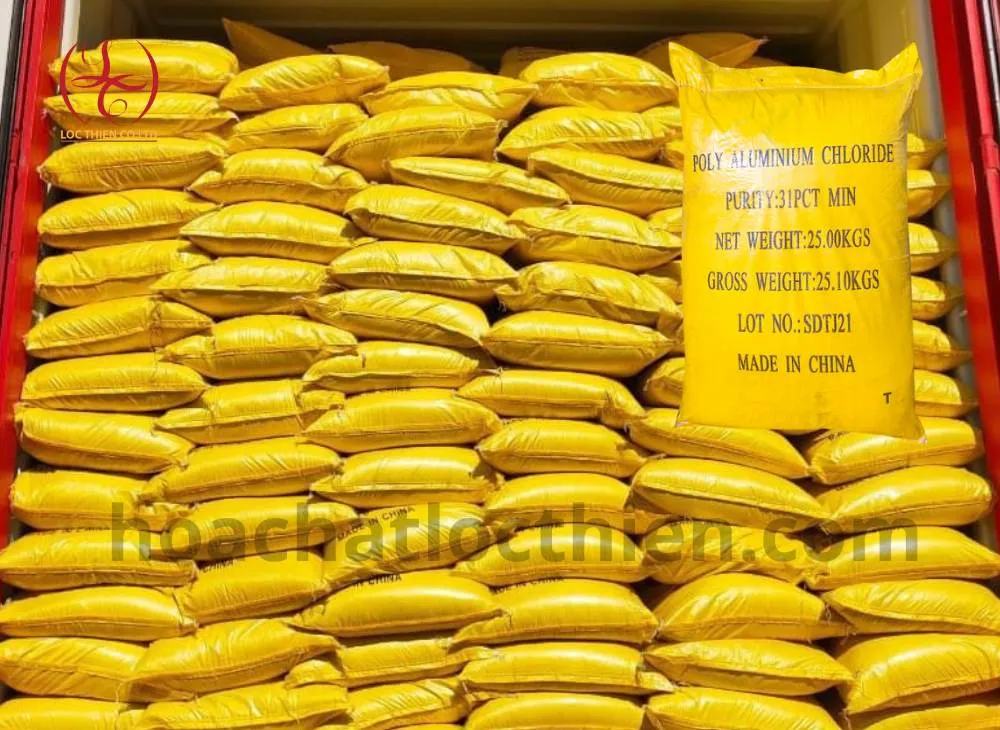
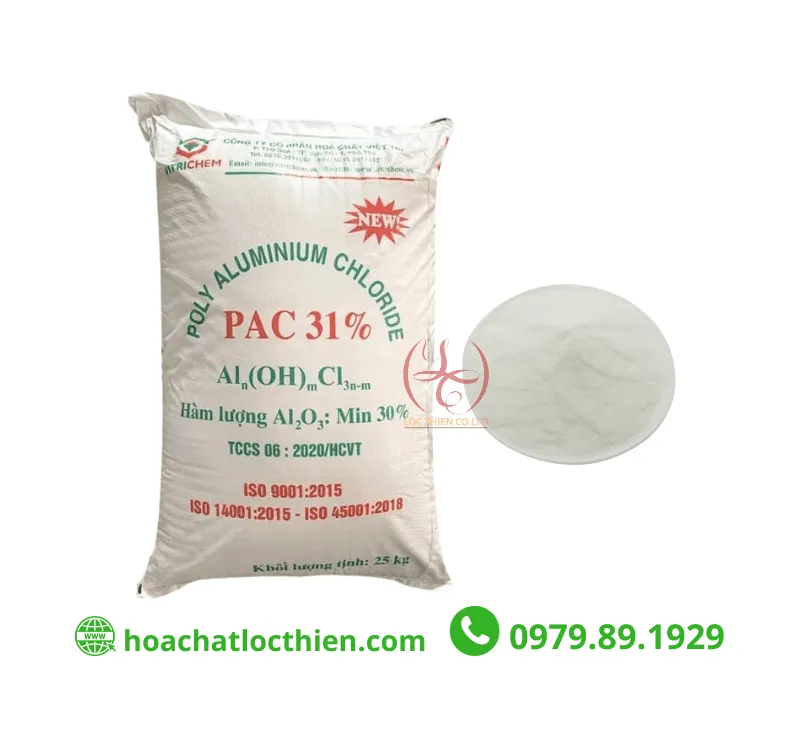
Polyaluminium Chloride (PAC, general chemical formula [Al₂(OH)ₙCl₆₋ₙ]ₘ, CAS 1327-41-9) is graded, specified, and commercially evaluated strictly on its equivalent aluminum oxide mass fraction (% Al₂O₃ w/w) and hydroxyl pre-neutralization ratio (Basicity, %), never as a 31% or 17% purity percentage of an anhydrous salt molecule. Across Vietnam’s industrial PAC coagulant portfolio in 2026, enterprise buyers and environmental engineers primarily evaluate three commercial specifications: spray-dried PAC 31% Al₂O₃ powder (Tenor 25 kg bag) alongside Viet Tri PAC 31% powder (25 kg bag), high-strength Liquid PAC 17% Al₂O₃, and standard Liquid PAC 10% Al₂O₃.
From an upstream chemical manufacturing standpoint, all polyaluminium chloride grades begin in the aqueous phase: refined aluminum hydroxide (Al(OH)₃) reacts with industrial hydrochloric acid (HCl) under pressurized hydrothermal digestion, followed by controlled polymerization and basicity adjustment using calcium aluminate or sodium aluminate to yield high-charge polynuclear aluminum complexes. When that concentrated mother liquor (~17% Al₂O₃) is atomized through a high-speed centrifugal spray-drying tower, thermal evaporation removes water to produce free-flowing lemon-yellow to pale-yellow micro-hollow powder granules Assaying 30.0%–31.0% Al₂O₃. Conversely, retaining the product as a filtered 17.0% ± 0.5% Al₂O₃ concentrate or standardizing it to 10.0%–11.5% Al₂O₃ eliminates both upstream spray-drying fuel consumption and downstream manual bag-dissolution tanks at the wastewater treatment plant (WWTP).
In Vietnam, commercial PAC quality benchmarks are governed by QCVN 06A:2020/BCT (National Technical Regulation on Poly Aluminium Chloride Quality, issued by the Ministry of Industry and Trade and formally amended and supplemented by Circular 38/2026/TT-BCT, effective 01/07/2026, aligning chemical labeling with Decree 37/2026/ND-CP and conformity declaration procedures with Circular 14/2026/TT-BKHCN). Operating as an industrial bulk chemical supplier and commercial distributor (never claiming direct manufacturing of PAC), Loc Thien Chemical verifies incoming and outgoing lots against the ten engineering and regulatory parameters summarized below:
| Technical & Regulatory Parameter | Spray-Dried PAC 31% Al₂O₃ Powder | Concentrated Liquid PAC 17% Al₂O₃ | Standard Liquid PAC 10% Al₂O₃ |
|---|---|---|---|
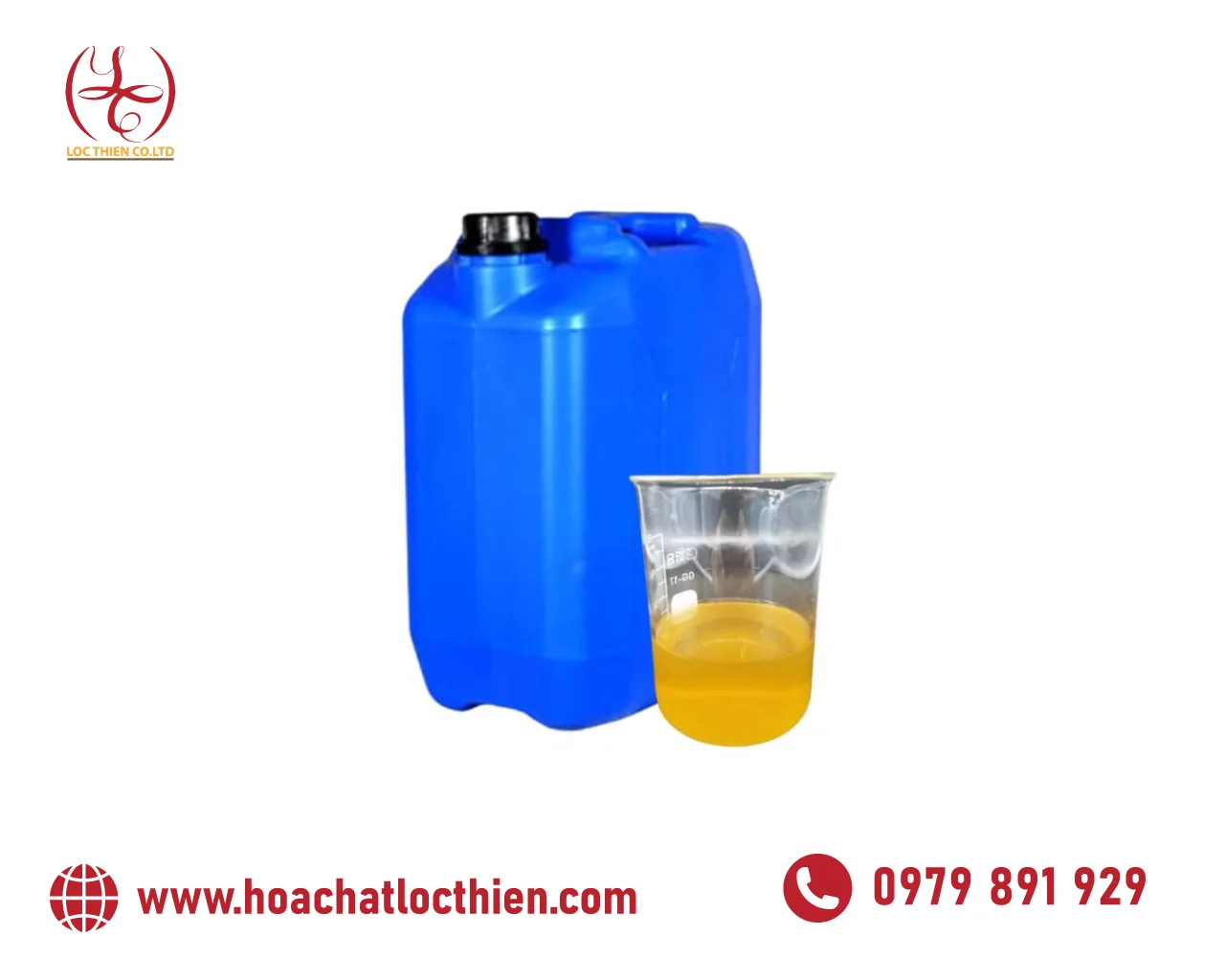
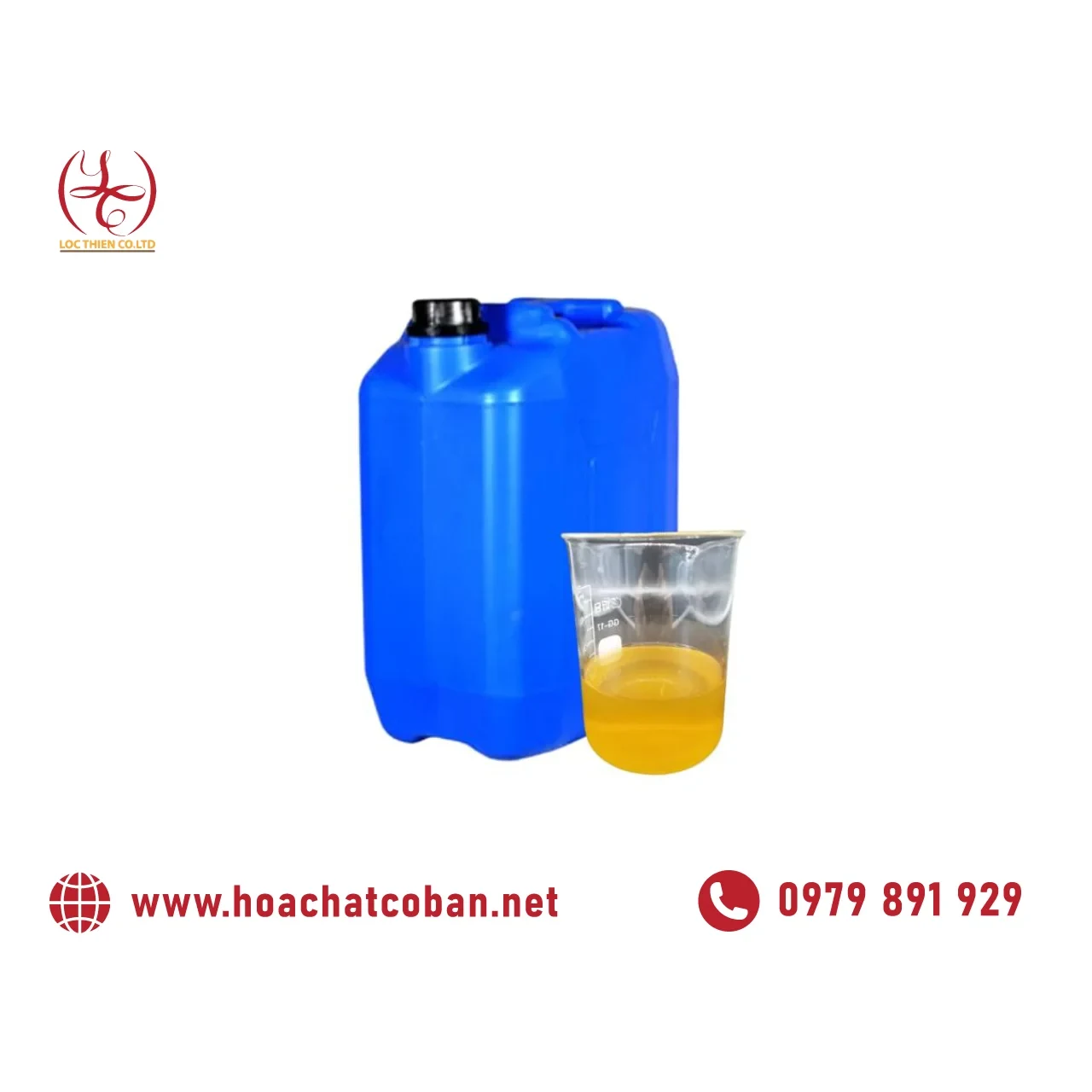
| Physical State & Visual Appearance | Fine, free-flowing lemon-yellow to pale-yellow spray-dried powder; strongly hygroscopic in humid air | Clear to pale straw-yellow homogeneous aqueous concentrate; moderate viscosity | Water-white to very pale yellow clear liquid; low viscosity ideal for long suction/discharge runs |
Active Aluminum Oxide Assay (% Al₂O₃ w/w) | 30.0% – 31.0% Al₂O₃ (exceeds the ≥ 28% solid tier of QCVN 06A:2020/BCT) | 17.0% ± 0.5% Al₂O₃ (high-concentration industrial liquid grade) | 10.0% – 11.5% Al₂O₃ (standard 9%–<11% / ≥10% liquid tier of QCVN 06A:2020/BCT) |
Specific Gravity (SG) at 20 °C (g/cm³) | Bulk loose density 0.65 – 0.75 g/cm³ (dry powder state prior to dissolution) | 1.33 – 1.38 g/cm³ at 20 °C (typical engineering design value 1.36 g/cm³ per batch COA) | 1.18 – 1.22 g/cm³ at 20 °C (typical engineering design value 1.20 g/cm³ per batch COA) |
Basicity (Hydroxyl Ratio, %) | 75% – 85% (high Al₁₃ polynuclear fraction; minimal alkalinity consumption) | 65% – 80% (balanced between rapid floc growth and multi-month tank stability) | 60% – 75% (excellent thermodynamic phase stability; zero bottom crystallization) |
Water-Insoluble Matter (% w/w) | ≤ 0.1% – 0.3% (centrifugal spray-drying minimizes abrasive grit in dosing pumps) | ≤ 0.1% (precision press-filtered prior to dispatch to protect check valves) | ≤ 0.1% (clean solution preventing micro-orifice metering injector fouling) |
pH of 1% w/v Aqueous Solution (at 20 °C) | 3.5 – 5.0 (working 5%–10% w/v make-down tanks typically exhibit pH 2.8 – 4.2) | 3.5 – 5.0 (neat undiluted concentrate exhibits pH 2.0 – 3.8) | 3.5 – 5.0 (neat undiluted solution exhibits pH 2.2 – 4.5) |
Trace Heavy Metals (As, Pb, Cd, Hg, Cr⁶⁺) | Strictly within QCVN 06A:2020/BCT (Circular 38/2026/TT-BCT) & ZDHC MRSL v3.1 limits | Controlled within QCVN 06A:2020/BCT (Circular 38/2026/TT-BCT) limits per batch COA | Controlled within QCVN 06A:2020/BCT (Circular 38/2026/TT-BCT) limits per batch COA |
ZDHC MRSL v3.1 Brand Compliance | Holds TÜV Rheinland Vietnam CSR & Analytical Test Report No. 248162921-05 (Level 1) | Not covered by a separate ZDHC CSR; deployed for general industrial water & effluent plants | Not covered by a separate ZDHC CSR; deployed for general industrial water & effluent plants |
| Commercial Packaging & Net Weight | Woven PP bag with heat-sealed inner PE moisture liner, 25 kg net/bag (40 bags/pallet = 1,000 kg) | 1,000 L IBC tote (≈ 1,350 – 1,375 kg net) or dedicated 5–30-ton road tanker | 1,000 L IBC tote (≈ 1,200 kg net), PE drums/jerricans, or 5–30-ton road tanker |
| DG Transport Classification & Shelf Life | Non-spillable hygroscopic solid; store dry on pallets (12–24 months sealed shelf life) | UN 3264, Hazard Class 8 (Corrosive liquid, acidic, inorganic); 6–12 months in HDPE/FRP | UN 3264, Hazard Class 8 (Corrosive liquid, acidic, inorganic); 6–12 months in HDPE/FRP |
Engineering note: Exact analytical figures for % Al₂O₃, specific gravity at 20 °C, basicity, and trace metals are certified on the batch Certificate of Analysis (COA per batch) delivered with every Loc Thien Chemical shipment.
How Does Polynuclear Al₁₃ Chemistry Drive QCVN 40:2025/BTNMT Compliance, and Why Do FDI Textile Mills Require ZDHC Level 1 PAC 31% (#248162921-05)?
Pre-hydrolyzed Keggin-type polynuclear aluminum clusters ([Al₁₃O₄(OH)₂₄(H₂O)₁₂]⁷⁺, commonly denoted as Al₁₃) present in both spray-dried PAC 31% and liquid PAC 10%–17% deliver substantially higher cationic charge density and faster floc bridging than monomeric aluminum sulfate (Al₂(SO₄)₃·18H₂O, alum). When conventional alum dissolves in raw water or industrial wastewater, monomeric Al³⁺ ions undergo instantaneous in-situ hydrolysis that consumes three moles of natural bicarbonate alkalinity per mole of aluminum (Al³⁺ + 3HCO₃⁻ → Al(OH)₃↓ + 3CO₂↑), sharply depressing pH and forcing operators to co-dose substantial alkaline reagents. Because PAC molecules are already 60%–85% pre-neutralized with bridging hydroxyl (OH⁻) ligands, the concentrated +7 charge of Al₁₃ species destabilizes negatively charged colloidal suspended solids (TSS), emulsified oils, and colloidal COD across a broad operating pH window of 5.5 – 8.5 with minimal alkalinity depletion.
1. Four Process Advantages Supporting QCVN 40:2025/BTNMT Industrial Effluent Compliance
Across surface-water clarification plants and industrial WWTPs serving pulp and paper, food and beverage, seafood processing, electronics utility water, and textile finishing parks, properly Jar-tested PAC dosing provides four distinct engineering benefits when benchmarked against QCVN 40:2025/BTNMT (National Technical Regulation on Industrial Wastewater, promulgated under Circular 06/2025/TT-BTNMT, effective 01/09/2025 under Vietnam’s consolidated Ministry of Agriculture and Environment; existing facilities operating or holding approved EIAs prior to 01/09/2025 follow the statutory transition roadmap through 31/12/2031, with mandatory compliance beginning 01/01/2032):
- Higher Lamella Clarifier Rise Rates & Compact Dewatered Cake: Flocs nucleated by polynuclear
Al₁₃chains and bridged with high-molecular-weight polyacrylamide (PAM) carry less bound hydration water than bulky amorphous alum hydroxide flocs. This accelerates settling velocity in inclined-plate Lamella clarifiers, improves micro-bubble attachment in dissolved air flotation (DAF) units, and lowers wet chemical sludge haulage volumes. - Zero Sulfate (
SO₄²⁻) Loading Into Anaerobic Digesters & Concrete Channels: Unlike alum (Al₂(SO₄)₃) or ferrous sulfate coagulants (see our detailed stoichiometric review in Ferric Chloride FeCl₃ 40% vs Ferrous Sulfate FeSO₄ for Wastewater Treatment),PACutilizes chloride (Cl⁻) as its counter-ion. Eliminating exogenousSO₄²⁻prevents sulfate-reducing bacteria (SRB) in downstreamUASBor anaerobic biogas reactors from generating toxic, corrosive hydrogen sulfide (H₂S) gas that inhibits methanogens and attacks concrete sewer crowns. - Zero Residual Iron Carryover Under Column A Limits (
Total Fe ≤ 2.0 mg/L): UnderQCVN 40:2025/BTNMT, Column A receiving waters enforce strict discharge ceilings (TSS ≤ 40 mg/L,Color ≤ 50 Pt-Co, andTotal Fe ≤ 2.0 mg/L). Where plants do not require ferrousCr⁶⁺reduction or specialized reactive-azo iron complexation,PACremoves turbidity, phosphorus, and dispersed color without risking orange ferric iron staining or exceeding the2.0 mg/Ltotal iron threshold. - 30%–50% Lower Alkaline Conditioning Demand: High basicity (
65%–85%) markedly reduces supplemental dosing of Liquid Caustic Soda NaOH 32% required to maintain optimum coagulationpH(6.5 – 7.5), simplifying automated PIDpHcontrol loops.
2. Field Dosing Reality: Powder “Fisheye” Losses (3%–7%) vs 100% Liquid Homogeneity
Although spray-dried PAC 31% and liquid PAC 10%–17% share the same active polynuclear species once properly dissolved, real-world plant performance often diverges at the chemical make-down skid:
- Spray-Dried
PAC 31%Powder: Because ultra-fine spray-dried granules hydrate exothermically on contact with water, dumping an entire25 kgbag rapidly into a slow-moving tank causes outer powder layers to gelatinize around dry inner cores, forming rubbery translucent lumps known as “fisheyes.” Undissolved fisheyes settle at the tank floor, foul pump foot-valves, clog suction Y-strainers, and waste3% – 7%of purchasedAl₂O₃active content while exposing operators to airborne dust and empty contaminated liner disposal. - Liquid
PAC 17%andPAC 10%: Polynuclear aluminum complexes remain fully solvated from factory filtration right to the rapid-mix flash tank. Diaphragm metering pumps draw neat liquid directly from bulkHDPE/FRPstorage tanks or1,000 LIBC totes, achieving100%instantaneous dispersion within30–60 secondsof flash mixing — with zero make-down agitator power, zero operator bag lifting, and zero solid packaging waste.
3. Why Export-Oriented FDI Textile, Denim & Footwear Plants Standardize on ZDHC Level 1 PAC 31% (#248162921-05)
Multinational apparel, sportswear, denim washing, and leather finishing factories operating in Vietnam must register process and utility treatment chemicals on the ZDHC Gateway — Chemical Inventory List (CIL) and pass semi-annual effluent and sludge testing under ZDHC Wastewater Guidelines V2.2. Uncertified coagulants manufactured from low-grade bauxite or unrefined recovered acids can introduce trace arsenic (As), lead (Pb), cadmium (Cd), mercury (Hg), or hexavalent chromium (Cr⁶⁺) directly into physico-chemical biological sludge, triggering brand audit non-conformances.
To eliminate this compliance exposure, PAC 31% spray-dried powder supplied by LOC THIEN INVESTMENT DEVELOPMENT COMPANY LIMITED holds ZDHC MRSL Version 3.1 Conformance Level 1, backed by Conformance Summary Report (CSR) and Analytical Test Report No. 248162921-05 issued by TÜV Rheinland Vietnam. FDI procurement and EHS managers can upload this verified third-party dossier directly into buyer audit portals without paying for repetitive external heavy-metal screening.
How Do Engineers Calculate Active Al₂O₃ Equivalence and Freight Break-Even Radius? Technical Illustration for a 3,000 m³/Day WWTP
Comparing coagulant quotations by gross weight (per kg of commercial product) without normalizing to active % Al₂O₃ content and regional tanker freight distance is the single costliest procurement mistake in industrial water treatment. Just as chemical buyers normalize caustic soda on a dry NaOH basis (detailed in our Liquid Caustic Soda NaOH 32%–50% vs Caustic Soda Flakes 99% TCO Guide), engineering and purchasing teams must evaluate PAC options per kilogram of 100% equivalent Al₂O₃ delivered to the flash mixer, factoring in specific gravity at 20 °C.
1. Exact Mass and Volume Equivalence Formulas Normalized to Active Al₂O₃
Using 1.00 metric ton (1,000 kg) of PAC powder evaluated conservatively at 30.0% Al₂O₃ as the baseline (1,000 × 0.30 = 300 kg of pure Al₂O₃ active equivalent):
- Conversion to
Liquid PAC 17% Al₂O₃(typicalSG = 1.36 kg/L at 20 °C): The equivalent commercial liquid mass required to deliver300 kg Al₂O₃is300 / 0.17 = 1,764.7 kg(1.765 metric tonsofLiquid PAC 17%). Dividing by1.36 kg/Lgives an equivalent storage volume of1,764.7 / 1.36 = 1,297.6 L(≈ 1.30 m³). Consequently, one1,000 L IBC totefilled withLiquid PAC 17%weighs approximately1,350 – 1,375 kgnet — never equate1,000 Lto1 metric ton. - Conversion to
Liquid PAC 10% Al₂O₃(typicalSG = 1.20 kg/L at 20 °C): The equivalent commercial liquid mass required to deliver300 kg Al₂O₃is300 / 0.10 = 3,000 kg(3.00 metric tonsofLiquid PAC 10%). Dividing by1.20 kg/Lgives an equivalent storage volume of3,000 / 1.20 = 2,500 L(2.50 m³). One1,000 L IBC toteofLiquid PAC 10%holds approximately1,200 kgnet liquid.
2. Technical Illustration (Worked Example): 3,000 m³/Day Centralized Industrial WWTP
Below is an engineering Technical illustration (worked example) (modeled for an anonymized centralized industrial park or paper/food WWTP treating 3,000 m³/day, operating 30 days/month for a monthly treated volume of 90,000 m³/month, with zero published unit prices per SSOT policy):
- Jar-Test Design Basis: Bench coagulation trials establish an optimum active dose equivalent to
45 mg/LofAl₂O₃(= 0.045 kg Al₂O₃/m³). - Daily & Monthly Pure
Al₂O₃Demand: The plant requires3,000 × 0.045 = 135 kg Al₂O₃/day, or4,050 kg Al₂O₃/month(4.05 metric tons/monthof pureAl₂O₃). Comparing the three commercial supply configurations side-by-side:
| Engineering & TCO Metric (3,000 m³/Day Technical Illustration, 30 Days/Month) | Option A: Spray-Dried PAC 30%–31% Powder (Calculated at 30% Al₂O₃ Basis) | Option B: Concentrated Liquid PAC 17% Al₂O₃ (SG 1.36 kg/L at 20 °C) | Option C: Standard Liquid PAC 10% Al₂O₃ (SG 1.20 kg/L at 20 °C) |
|---|---|---|---|
Commercial Product Dose per 1 m³ Effluent | 150 mg/L powder (= 45 mg/L Al₂O₃) | 264.7 mg/L liquid 17% (≈ 194.6 mL/m³) | 450 mg/L liquid 10% (≈ 375.0 mL/m³) |
| Daily Commercial Mass & Volume Consumed | 450 kg/day (18 bags × 25 kg/day) | 794.1 kg/day (pump volume ≈ 584 L/day) | 1,350 kg/day (pump volume ≈ 1,125 L/day) |
Total Monthly Commercial Intake (30 days) | 13.50 metric tons/month (540 bags × 25 kg, or 13.5 pallets/month) | 23.82 metric tons/month (bulk volume ≈ 17.52 m³/month) | 40.50 metric tons/month (bulk volume ≈ 33.75 m³/month) |
| Optimal Logistics & Unloading Mode | Flatbed/box truck palletized delivery; requires covered dry floor space | Just 1 trip/month via 25-ton road tanker pumped directly into a 25 m³ HDPE/FRP tank | 2 trips/month via 20-ton road tankers pumped into 25–30 m³ HDPE/FRP bulk tanks |
| On-Site Hidden Operating Costs (Plant OPEX) | Manual lifting of 540 bags/month, mixer electricity for 5%–10% tanks, disposal of 540 chemical-lined bags, plus 3%–7% fisheye loss risk | 100% Automated Dosing: direct diaphragm metering from bulk tank, 0 manual mixing labor, 0 bag waste, 0% fisheye loss | 100% Automated Dosing: ultra-low viscosity for long pipe runs, zero strainer plugging, zero manual bag handling |
3. The Freight Break-Even Radius Rule Around Loc Thien’s 6 Regional Warehouses
The mass balance above highlights the decisive economic trade-off: transporting 300 kg of active Al₂O₃ requires hauling 1.00 ton of spray-dried powder versus 1.765 tons of Liquid PAC 17% or 3.00 tons of Liquid PAC 10%. Consequently, TCO leadership hinges on road freight distance from the nearest supply hub:
- Within
< 150 – 200 kmof Loc Thien’s 6 Warehouses (Bulk Liquid TCO Sweet Spot): For industrial parks in Ho Chi Minh City, Binh Duong, Dong Nai, Ba Ria - Vung Tau, Long An, Can Tho, Da Nang, and Bac Ninh equipped with≥ 10 – 30 m³HDPE/FRPbulk tanks,Liquid PAC 17%orLiquid PAC 10%delivered via5–30-tondedicated road tankers bypasses upstream spray-drying energy costs,25 kgbag packaging overhead, plant operator labor, and fisheye dissolution losses — delivering the lowest net treatment cost per cubic meter of effluent. - Beyond
> 250 km, Highland Routes, or Low/Seasonal Flow Plants: Where long-haul Class 8 tanker freight per ton-kilometer outweighs upstream drying savings — or where FDI textile buyers mandateZDHC MRSL v3.1 Level 1certification —Spray-Dried PAC 31% Powderwins decisively by packing1.8× to 3.1×more activeAl₂O₃onto every truckload with12–24 monthsdry storage stability.
Mandatory Jar-Test Verification Notice: All dosage figures (
mg/L) above are engineering illustrations only. Actual plant dosing rates must be established via bench-scale Jar-test trials on representative raw water or wastewater samples across seasonal quality shifts. Engineers can size metering pumps and make-down concentrations using Loc Thien’s Online Chemical Dosing Calculator prior to full-scale commissioning.
Which PAC Grade Fits Your Facility, and What Dissolution SOPs and GHS Safety Safeguards Prevent Chlorine Gas & Scaling?
Selecting between PAC 31% powder, Liquid PAC 17%, and Liquid PAC 10% requires matching four site-specific criteria: daily hydraulic capacity (m³/day), road radius from Loc Thien’s 6 regional hubs, existing chemical tankage, and export brand ZDHC audit mandates.
1. Engineering & Procurement Grade Selection Matrix
| Plant Operating Profile & Industry Sector | Recommended Primary Specification | Core Technical & Economic Justification | Recommended Storage & Metering Setup |
|---|---|---|---|
| Export FDI Textile Dyeing, Denim Washing, Leather & Footwear Mills (ZDHC Gateway CIL Audited) | Spray-Dried PAC 31% Powder (CSR #248162921-05) | Verified ZDHC MRSL v3.1 Conformance Level 1 (TÜV Rheinland Vietnam), strict trace heavy metal control (As, Pb, Cd, Hg, Cr⁶⁺) | Dry pallet racking (≥ 15 cm off floor) + dual alternating 5%–10% w/v HDPE/FRP agitated make-down tanks |
Centralized Industrial Park WWTPs, Pulp & Paper, Potable Water & Food Plants (≥ 1,000 m³/day, < 150–200 km radius) | Concentrated Liquid PAC 17% (5–30-ton tanker) | Optimal bulk TCO: combines high active density (1.36 kg/L) with 100% automated direct metering and zero bag-handling labor | Vertical 15–30 m³ HDPE or vinyl-ester FRP tank inside dedicated bund + PVC/PVDF diaphragm pump with PTFE/EPDM/Viton wetside |
Medium WWTPs (200 – 1,000 m³/day), Short Haul (< 100 km), or Long Metering Discharge Lines | Standard Liquid PAC 10% (1,000 L IBC or tanker) | Low viscosity, superior cold/warm storage stability without salt crystallization, precise turndown on small diaphragm pumps | 1,000 L IBC totes (≈ 1,200 kg net) or 5–15 m³ HDPE tank + solenoid or motor-driven diaphragm dosing pump |
Remote Facilities (> 250 km from nearest hub), Compact Plants (< 200 m³/day), or Seasonal Batch Operations | Viet Tri PAC 31% Powder or Tenor PAC 31% (25 kg bag) | Minimizes freight cost per kg of Al₂O₃; 12–24 months dry shelf life without investing in bulk FRP tank civil works | Moisture-sealed warehouse storage + 500–2,000 L PE dissolving tank fitted with vortex eductor funnel |
2. Best-Practice Dissolution SOP for PAC 31% Powder & Direct Metering Rules for Liquid PAC
- Dissolving
PAC 31% PowderWithout Fisheyes: Prepare day-tank working solutions at5% – 10% w/v(50 – 100 kgpowder per1,000 Lclean water). Fill the mixing tank to~65%–70%volume with clean service water first, start the mechanical mixer (150–300 rpm) to establish a vigorous vortex, feed the powder steadily through a dry hopper or hydraulic venturi eductor into the vortex shoulder, top up to100%volume, and agitate for15–20 minutesuntil crystal clear. Never prepare ultra-dilute stock solutions below< 3% w/vfor multi-day storage, because excessive dilution triggers premature hydrolysis ofAl₁₃species into inactiveAl(OH)₃precipitate; consume prepared5%–10%batches within24 – 48 hours. - Direct Metering of
Liquid PAC 10%–17%: Meter neat liquid directly from the storage tank or IBC tote via calibrated diaphragm pumps without pre-dilution inside the bulk tank. If carrier-water dilution is desired to enhance flash dispersion across wide channels, install an inline static mixer immediately upstream of the injection quill, and flush tank bottoms every6–12 months.
3. Mandatory GHS Safety Controls, Corrosion-Resistant Materials & Chemical Incompatibilities
GHS Safety Warning: Neat
Liquid PAC 10%–17%(CAS 1327-41-9,UN 3264, Hazard Class 8 — Corrosive liquid, acidic, inorganic, n.o.s.) and concentratedPAC 31%make-down solutions are mildly acidic (pH 2.0–4.5neat) and carry GHS hazard statementsH290(May be corrosive to metals) andH318 / H314(Serious eye damage / skin corrosion-irritation — review full 16-section GHS SDS prepared underCircular 01/2026/TT-BCTat PAC 31% Safety Data Sheet (SDS) and PAC 10% Safety Data Sheet (SDS)).
- STRICT PROHIBITION — Never Mix or Co-Bund With Sodium Hypochlorite (
Javel / NaOCl) or Calcium Hypochlorite (Ca(OCl)₂): Never mix, share unloading manifolds, or storeLiquid PACinside the same secondary containment bund (bund) asSodium Hypochlorite solution (NaOCl 10%–12% w/v available chlorine)orCalcium Hypochlorite Ca(OCl)₂! Acidic hydrolysis fromPACrapidly depressespHupon accidental contact, liberating acutely toxic greenish-yellow Chlorine gas (Cl₂) capable of causing severe pulmonary injury in enclosed chemical rooms.- Never Co-Inject Through a Single Pipe Tee With Concentrated Caustic Soda (
NaOH): Do not tiePACand Liquid Caustic Soda NaOH 32% dosing lines into the same injection quill. Instantaneous localized neutralization precipitates dense gelatinousAl(OH)₃↓scale that plugs check valves and injection nozzles; always doseNaOHupstream for alkalinity conditioning with adequate mixing separation prior toPACaddition.- Compatible Wetted Materials & Operator PPE: Store
Liquid PACexclusively inHDPE,PP,uPVC, or CompositeFRPtanks equipped with plastic valves andEPDM / Viton / PTFEelastomer seals — never use bare carbon steel, aluminum, or galvanized iron tanks, which corrode rapidly under acidic chloride attack and contaminate the coagulant with dissolved iron. Operators must wear splash goggles, dust respirators (when charging25 kgpowder bags), nitrile gauntlets, and chemical boots perDecree 25/2026/ND-CP.
What Vendor Qualification Dossiers, 5 Transparent Price Drivers, and 6-Warehouse Tanker Logistics Does Loc Thien Provide?
Loc Thien Chemical (Loc Thien Investment Development Co., Ltd. — Tax ID 0313650856) operates an ISO 9001:2015 and ISO 14001:2015 certified industrial chemical distribution network supplying 3,000+ metric tons/month to manufacturing plants across Vietnam. Fully aligned with Vietnam’s Law on Chemicals No. 69/2025/QH15 (effective 01/01/2026), Decree 26/2026/ND-CP, and Circular 01/2026/TT-BCT, Loc Thien serves as a tier-one commercial bulk supplier offering both ZDHC Level 1 certified PAC 31% powder and bulk Liquid PAC 10%–17% under a single qualified vendor code.
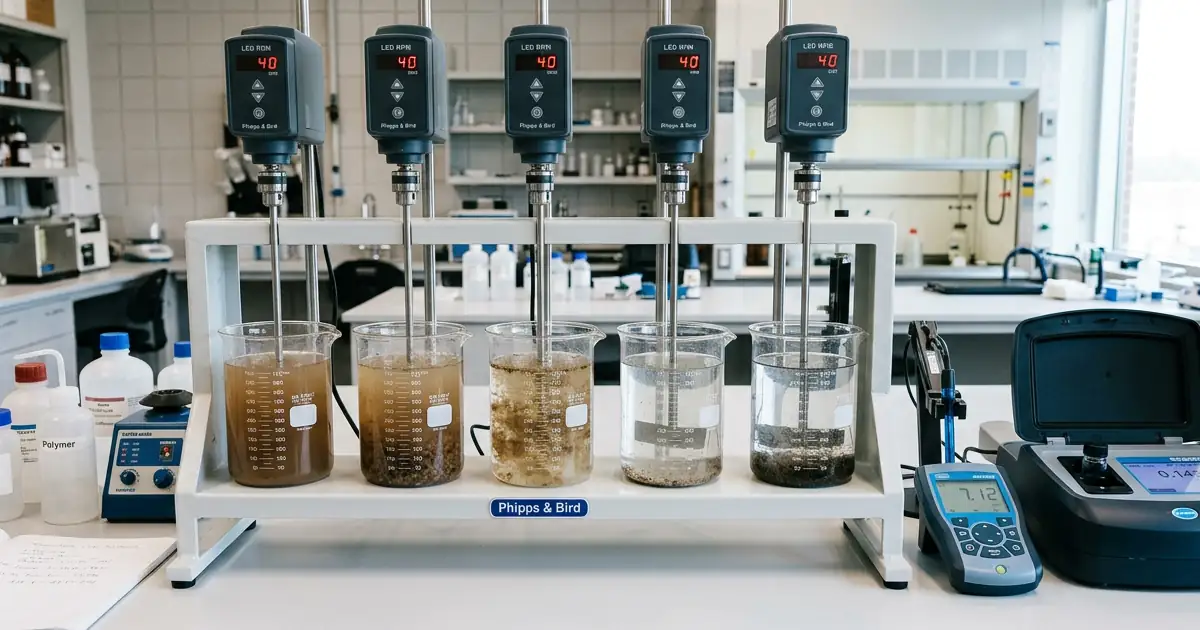
QC Laboratory Field Note — QC Technician Vo Thi Nhu Hoa shares: “In parallel bench Jar-tests conducted at Loc Thien’s QC laboratory on textile dyeing and paper-mill effluents, spray-dried PAC 31% (properly dissolved at 5% w/v) and concentrated Liquid PAC 17% achieve virtually identical >90% turbidity and TSS removal when normalized to an equal 40–50 mg/L active Al₂O₃ dose. Prior to sealing any 5–30-ton road tanker, 1,000 L IBC tote, or palletized 25 kg bag lot, our QC desk verifies specific gravity at 20 °C (1.33–1.38 g/cm³ for PAC 17% and 1.18–1.22 g/cm³ for PAC 10%), confirms water-insolubles remain below 0.1%–0.3% on the batch COA, and attaches TÜV Rheinland Vietnam Report No. 248162921-05 (ZDHC MRSL v3.1 Level 1) for export textile customers.”
1. Role-Specific Qualification Summary for Enterprise Buying Committees
- For Procurement Managers: Established corporate entity (Legal Representative: Director Tran Ngoc Quang; Tax ID
0313650856; Legal Head Office at452/6B Tinh Lo 10, Binh Tri Dong Ward, Binh Tan District, Ho Chi Minh City— registered administrative headquarters, strictly separate from chemical storage operations). Buffer inventory is positioned across 6 standardized regional warehouses:- Ba Ria - Vung Tau Warehouse:
Phu My 1 Industrial Park, Phu My Town, Ba Ria - Vung Tau - Dong Nai Warehouse:
Long Thanh Industrial Park, Long Thanh District, Dong Nai - Binh Duong Warehouse:
Tan Dong Hiep Ward, Di An City, Binh Duong - Da Nang Warehouse:
Hoa Khanh Industrial Park, Lien Chieu District, Da Nang City - Can Tho Warehouse:
Tra Noc Industrial Park, O Mon District, Can Tho City - Bac Ninh Warehouse:
Tien Son Industrial Park, Tien Du District, Bac Ninh
- Standard Delivery Lead Times (SLA): Inner Ho Chi Minh City within
4 hours; Southern & Mekong Delta industrial parks within24–48 hours; Northern & Central Vietnam within2–3 days. Contact hotline +84 979 891 929 for detailed delivery scheduling procedures.
- Ba Ria - Vung Tau Warehouse:
- For Process & EHS Engineers: Complete technical compliance pack including per-delivery
COA per batch, third-party Quatest 3 analytical verification, 16-section GHSSDS(Circular 01/2026/TT-BCT),TÜV Rheinland #248162921-05(ZDHC MRSL v3.1 Level 1forPAC 31%), plus free sample dispatch and on-siteJar-testoptimization support. - For Finance & Accounting Controllers: Legally compliant Vietnamese VAT e-invoice issued under
Decree 70/2025/ND-CP, corporate bank-transfer documentation meeting input tax credit rules under Vietnam’sVAT Law 2024, certified weighbridge tickets, and contract credit terms for scheduled off-take agreements.
2. Five Transparent Price Drivers for Bulk PAC Supply (Formal Quote Within 15 Minutes)
Because alumina feedstock indices and Class 8 dangerous-goods transport rates fluctuate across regions, Loc Thien Chemical never posts misleading static unit prices online. Instead, our engineering desk delivers an itemized technical quotation within 15 minutes structured around five transparent drivers:
- Active
Al₂O₃Grade & Compliance Tier: Spray-driedPAC 31%(ZDHC Level 1 #248162921-05), concentratedLiquid PAC 17%, or standardLiquid PAC 10%. - Packaging & Unloading Configuration: Dedicated
5–30-tonroad tankers minimize packaging overhead compared with1,000 L IBC totes(≈ 1,200 – 1,375 kgnet) or palletized25 kgPP/PE bags. - Monthly Volume & Framework Contract Cadence: Scheduled monthly or quarterly call-off contracts secure dedicated safety stock at your nearest warehouse.
- Freight Radius From Nearest of 6 Warehouses: Particularly critical for Class 8
UN 3264liquid tanker dispatches governed byDecree 161/2024/ND-CPandDecree 25/2026/ND-CP. - Documentation Scope & Commercial Terms: Batch COA,
ZDHC Level 1CSR submission support, third-party lab testing, and contract payment terms.
Included in every Loc Thien quotation: Door-to-plant delivery, safe pump unloading into bulk storage tanks (for 5–30-ton tanker orders), COA per batch, 16-section GHS SDS (Circular 01/2026/TT-BCT), and Vietnamese VAT e-invoice.
Ready to benchmark active Al₂O₃ cost per m³ between PAC 31% powder and Liquid PAC 17% at your plant? Contact Email [email protected], Hotline / Vietnamese Zalo +84 979 891 929, or Request a 15-Minute Technical Quote.
Frequently Asked Questions (FAQ)
How many metric tons of Liquid PAC 17% and Liquid PAC 10% equal 1 metric ton of 30%–31% PAC powder?
Normalized strictly by pure aluminum oxide active mass (1.00 metric ton of 30% Al₂O₃ powder contains 300 kg of active Al₂O₃), the equivalent commercial liquid requirement is 1.765 metric tons of Liquid PAC 17% Al₂O₃ (300 / 0.17 = 1,764.7 kg, occupying ≈ 1.30 m³ at SG 1.36 kg/L and 20 °C) or 3.00 metric tons of Liquid PAC 10% Al₂O₃ (300 / 0.10 = 3,000 kg, occupying ≈ 2.50 m³ at SG 1.20 kg/L and 20 °C). Always validate final pump stroke settings via a bench Jar-test when switching grades.
Which PAC product supplied by Loc Thien Chemical holds ZDHC MRSL v3.1 Conformance Level 1 certification?
Spray-dried PAC 31% powder distributed by LOC THIEN INVESTMENT DEVELOPMENT COMPANY LIMITED holds ZDHC MRSL Version 3.1 Conformance Level 1, verified by Conformance Summary Report (CSR) and Analytical Test Report No. 248162921-05 issued by TÜV Rheinland Vietnam. Export textile dyeing, denim laundry, and leather finishing mills use this report to satisfy brand Chemical Inventory List (CIL) audits and strict heavy-metal limits (As, Pb, Cd, Hg, Cr⁶⁺).
What is the actual net weight in kilograms of one 1,000 L IBC tote of Liquid PAC 10% vs Liquid PAC 17%?
Never assume 1,000 L equals 1,000 kg. At the 20 °C reference temperature, one 1,000 L IBC tote of Liquid PAC 10% (SG 1.18–1.22 g/cm³) contains approximately 1,180 – 1,220 kg net liquid (≈ 1,200 kg net), whereas one 1,000 L IBC tote of Liquid PAC 17% (SG 1.33–1.38 g/cm³) contains approximately 1,330 – 1,380 kg net liquid (≈ 1,350 – 1,375 kg net, excluding the ~55–60 kg steel-cage and HDPE bottle tare). Loc Thien invoices all shipments strictly by calibrated net weight (kg or metric tons).
Why must Liquid PAC never share secondary containment bunds with Sodium Hypochlorite (Javel) or co-inject with Caustic Soda (NaOH)?
Liquid PAC is an acidic corrosive liquid (pH 2.0–4.5 neat, UN 3264). Accidental mixing inside a shared containment bund with Sodium Hypochlorite (NaOCl) or Calcium Hypochlorite Ca(OCl)₂ acidifies the bleach and instantaneously releases lethal Chlorine gas (Cl₂). Meanwhile, tying PAC and concentrated Caustic Soda (NaOH) into the same injection tee causes immediate localized precipitation of dense Al(OH)₃ gel that plugs check valves and dosing pipelines.
Does diluted PAC 31% powder solution lose coagulation efficiency if stored for several days?
Yes. Diluting PAC 31% powder below < 3% w/v and holding it over multiple days accelerates secondary hydrolysis (“aging”) of active polynuclear Al₁₃ clusters into amorphous Al(OH)₃ precipitate at the tank bottom, sharply degrading charge-neutralization performance. Prepare working solutions at 5% – 10% w/v in clean water and consume within 24 – 48 hours, or switch to factory-stabilized Liquid PAC 10%–17% for direct automated dosing. Disclaimer: This article provides engineering and chemical-environmental regulatory updates and does not substitute formal legal counsel.
Order Spray-Dried PAC 31% (ZDHC Level 1) & Bulk Liquid PAC 10%–17% (5–30-Ton Tankers) — 15-Minute Technical Quote:
- Supplier: Loc Thien Investment Development Co., Ltd. (
Tax ID: 0313650856)- Legal Head Office:
452/6B Tinh Lo 10, Binh Tri Dong Ward, Binh Tan District, Ho Chi Minh City, Vietnam- 6 Standardized Warehouses: Ba Ria - Vung Tau (
Phu My 1 IP) · Dong Nai (Long Thanh IP) · Binh Duong (Di An City) · Da Nang (Hoa Khanh IP) · Can Tho (Tra Noc IP) · Bac Ninh (Tien Son IP)- Email: [email protected] · Hotline & Vietnamese Zalo (24/7): +84 979 891 929 · Online RFQ: Request Quote, Batch COA & ZDHC Report